Leon and Villadangos del Paramo (Days 24 and 25 on the Camino)

image
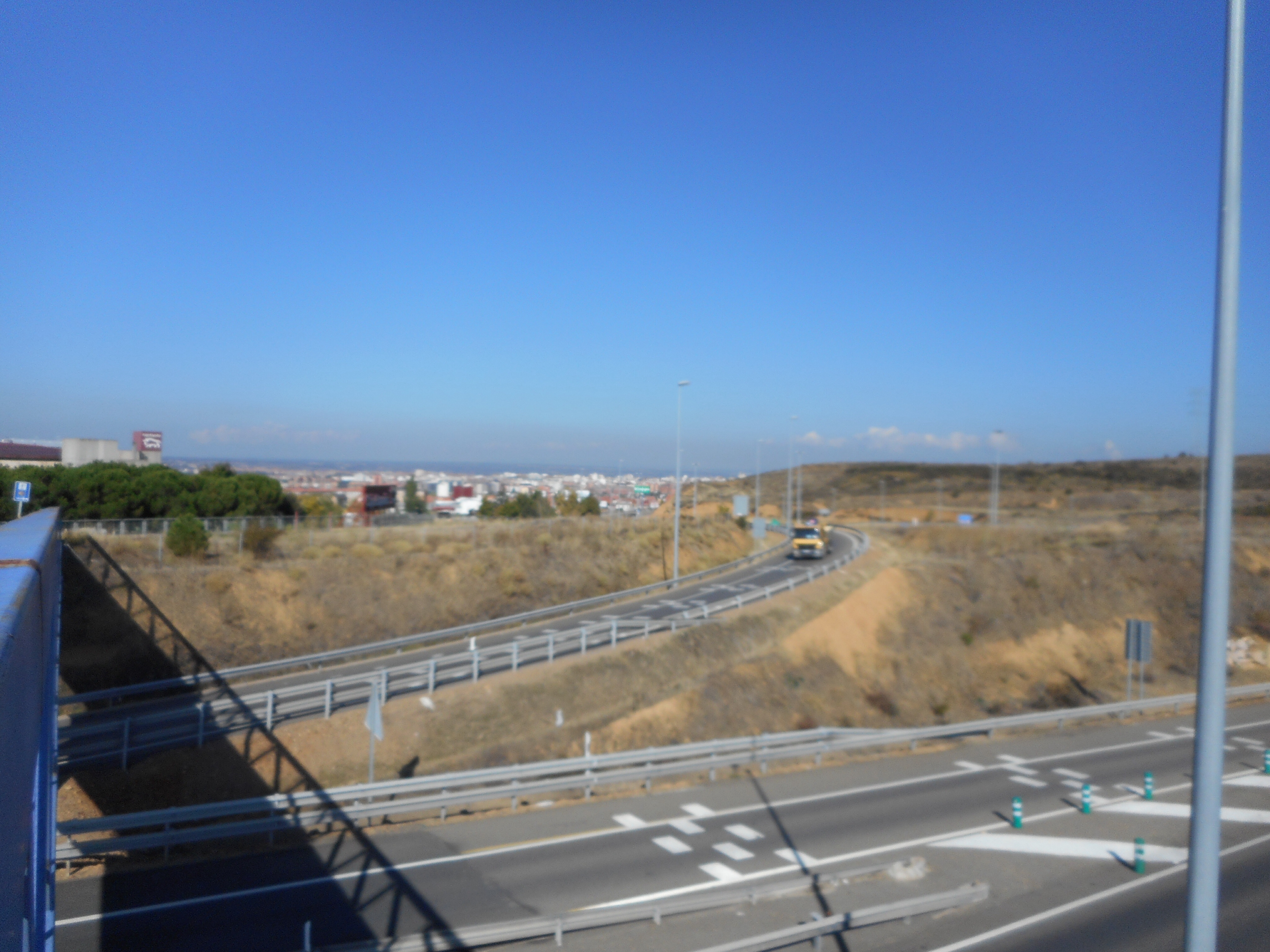
imageYesterday we arrived in the city of Leon. The approach was through the industrial outskirts of the city and may not have been the most scenic to look at, but it offered us a glimpse of the city that we would have missed had we arrived by train, bus, car, or any other means. We have come to appreciate these portions of the Camino as much as the “prettier” portions since they tell us much about the Spaniards that we would miss if we were just seeing one side of their world.
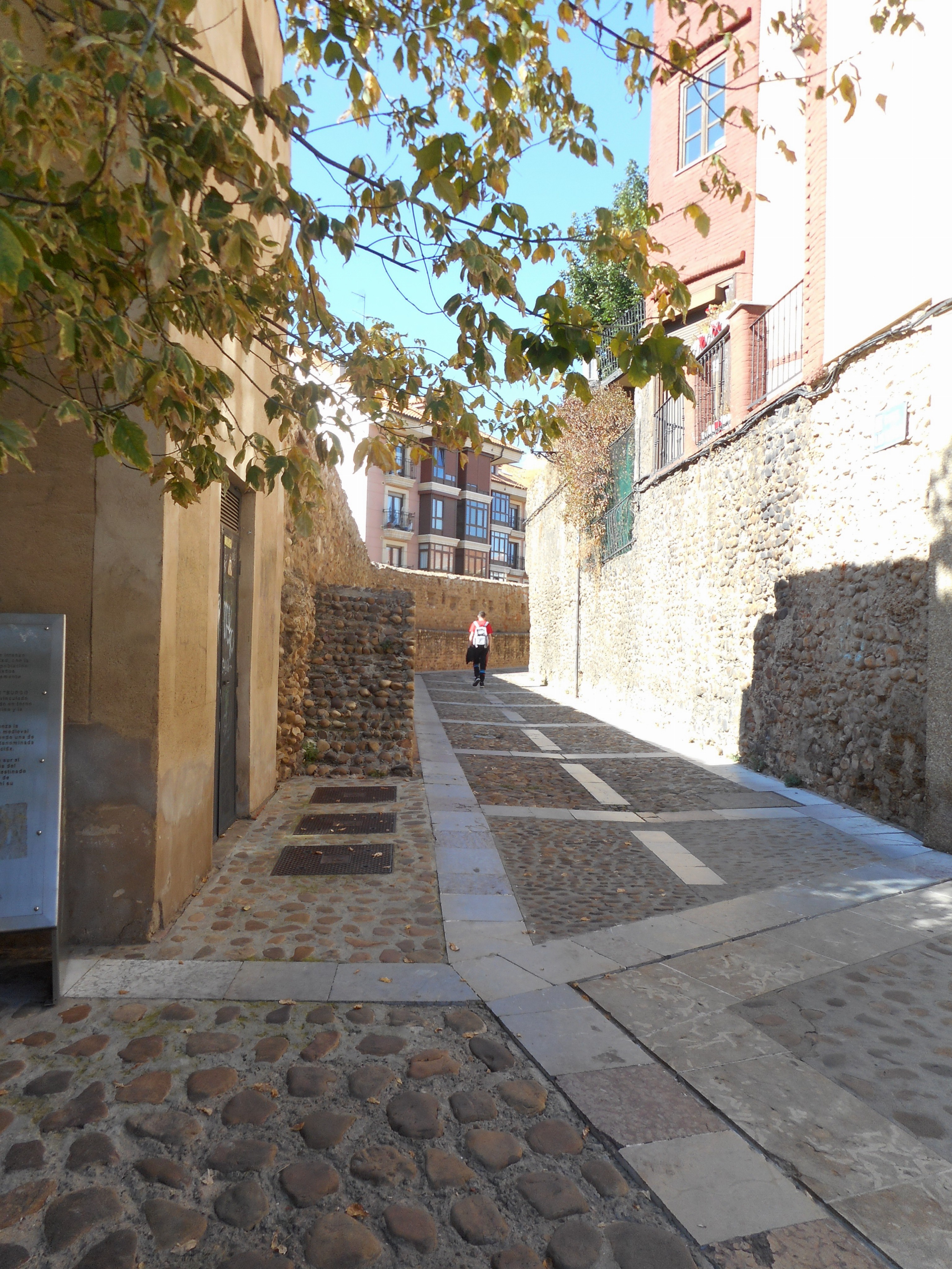
imageLeon is a large city with all the usual hustle and bustle, but we eventually made it to the inner, historic district where automobile traffic is severely restricted and pedestrians reign. We stayed at an albergue operated by the sisters of a Benedictine monestary. Along with a bed and dinner, we were treated to some quiet time with the sisters as they sang Vespers in their chapel. The short service was beautiful as they chanted the assigned readings for the day back and forth – half of them singing the first part of the verse from one side of the choir, then the rest of them responding by singing the remainder of the verse from the other side of the choir. Most of the sisters (about 15 of them) appeared to be 65 or older, but there were also two novices who appeared to still be in their 20s. The sisters really need these new, younger women accepting a call to vocation in order to keep the monastery viable.
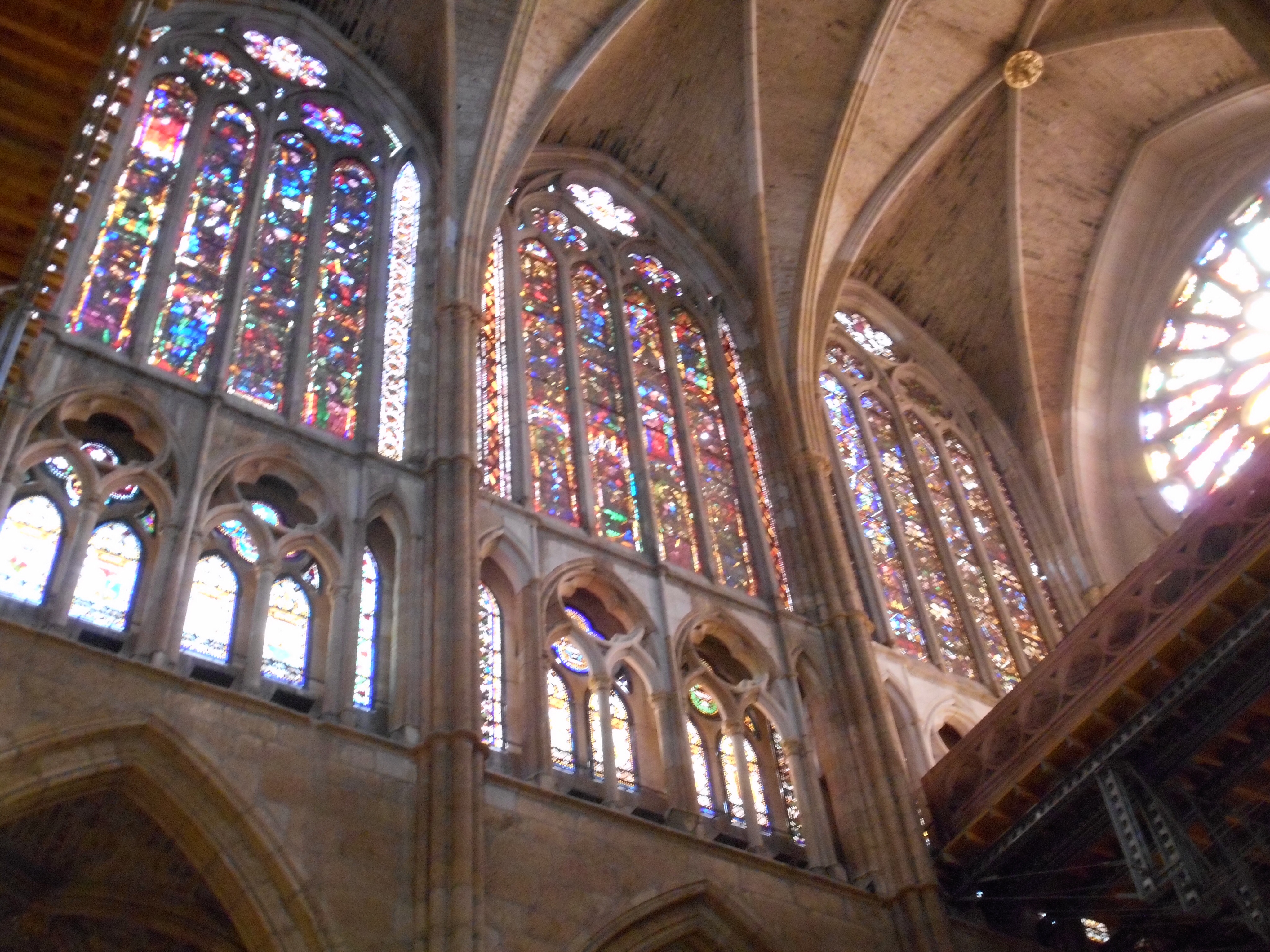
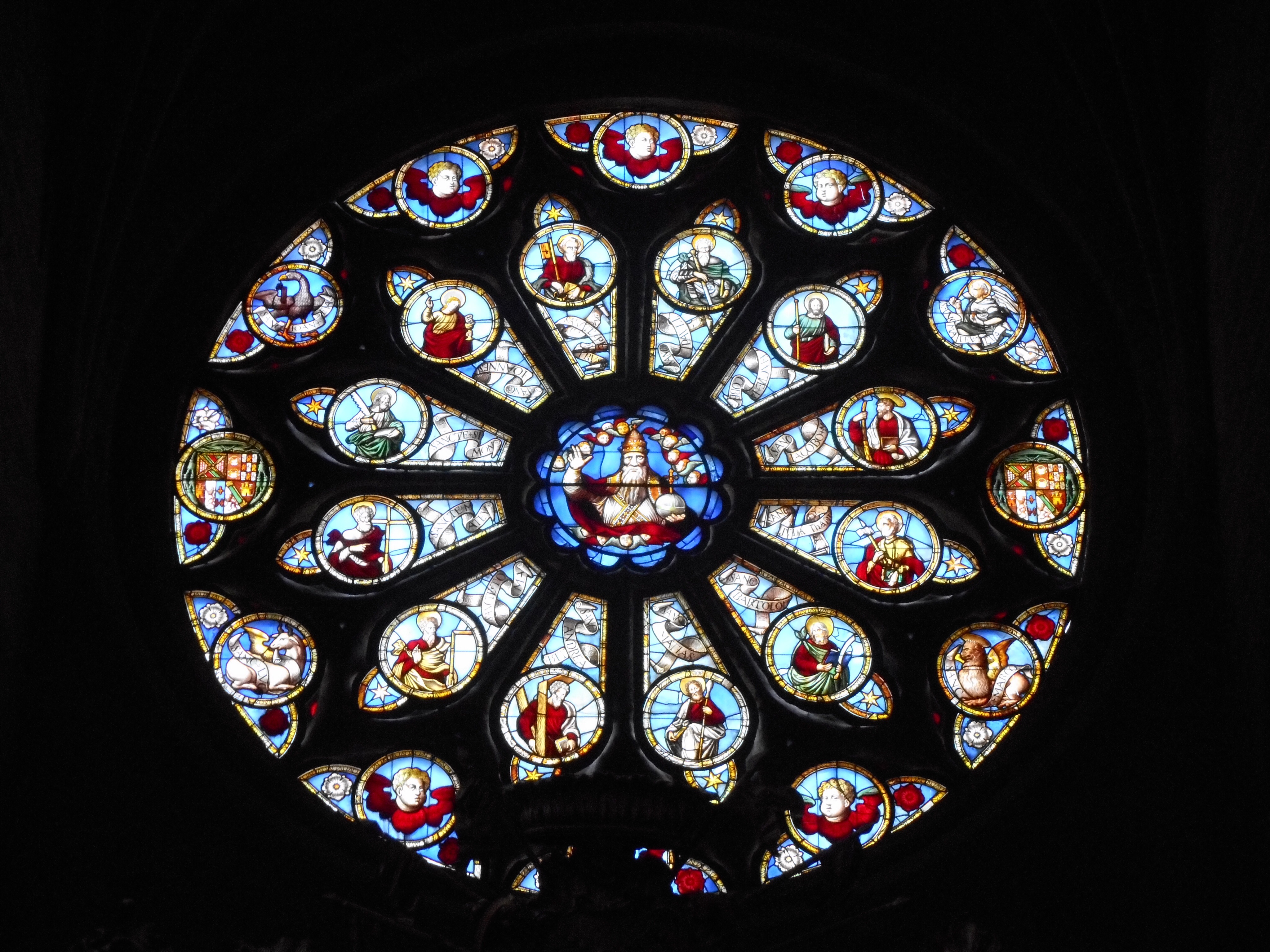
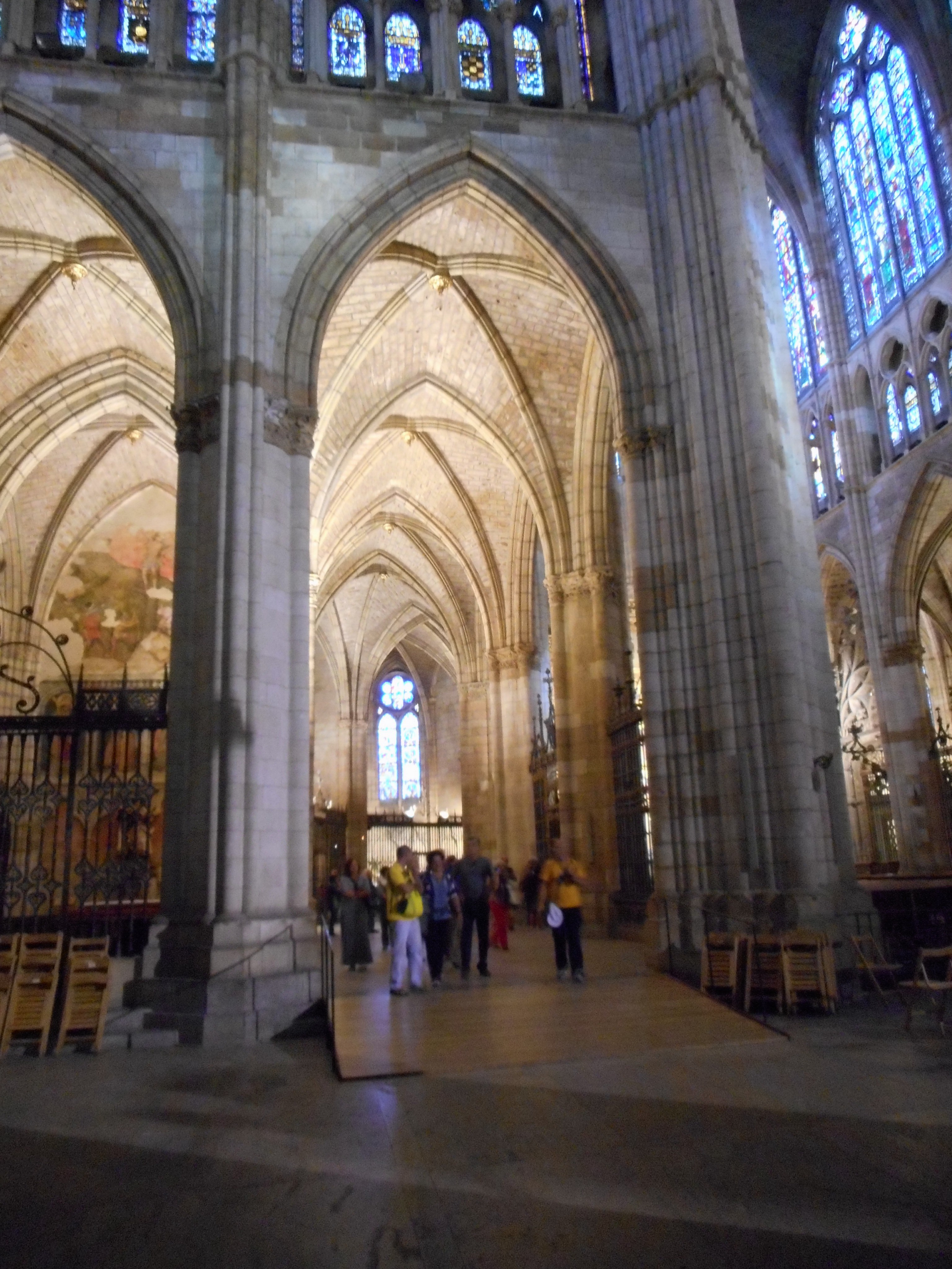
imageWe took time to visit the magnificent Leon Cathedral in the afternoon. This is another in the grand tradition of Gothic cathedrals found throughout Europe. This particular cathedral is noted for its stunning stained glass windows, with more than 1800 square meters of glass – some of the finest stained glass in the world. Because of this it is also known as The House of Light. Within the cathedral are many magnificently beautiful Gothic arches and chapels, making this a Leon landmark not to be missed.

image
image
image

Another building of interest, located close to the cathedral, was the neo-Gothic palace known as the Casa de Botines, designed by the world-famous architect, Antoni Gaudi.
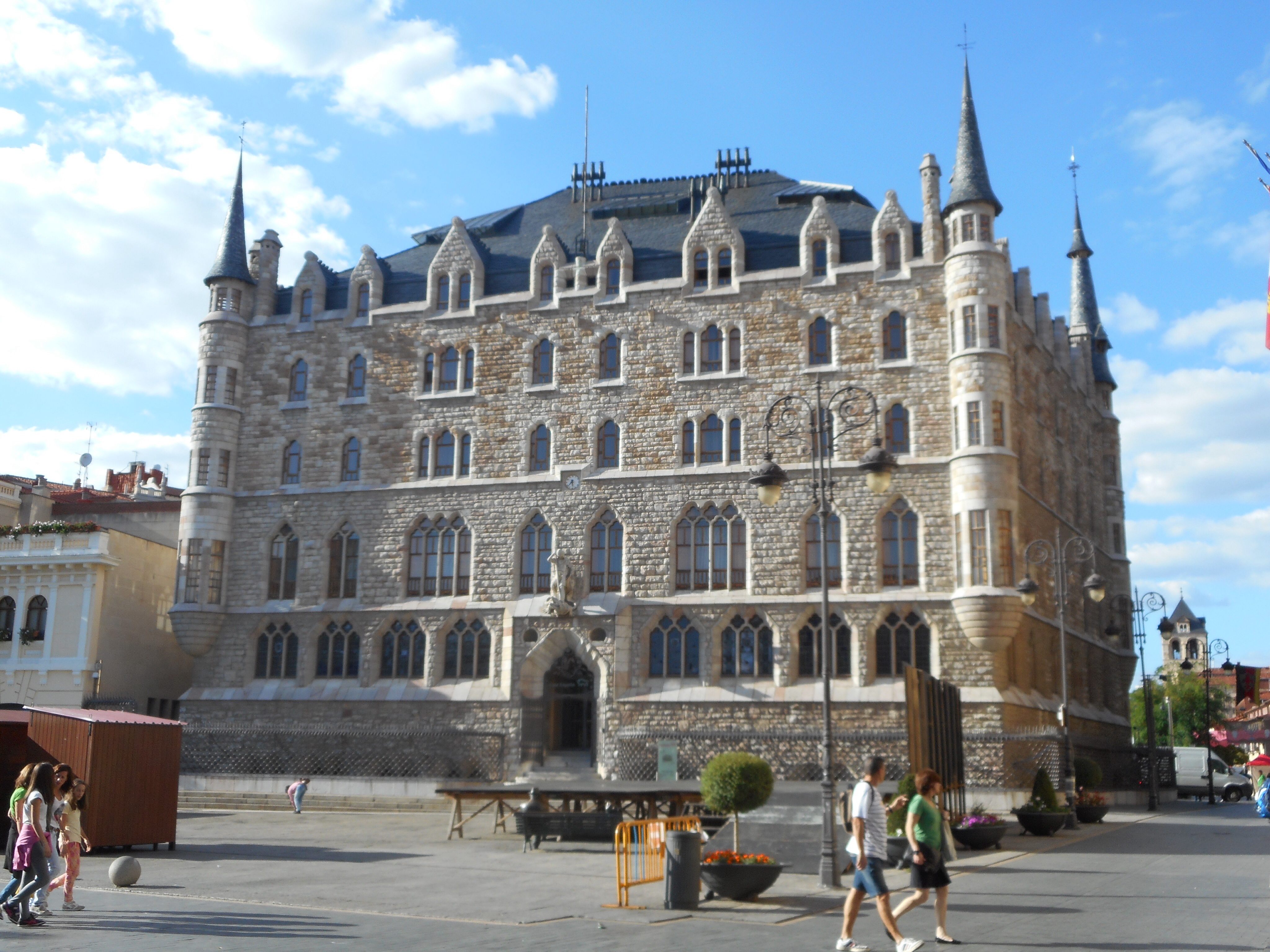
Gaudi's Casa de Botines

Gaudi’s Casa de Botines

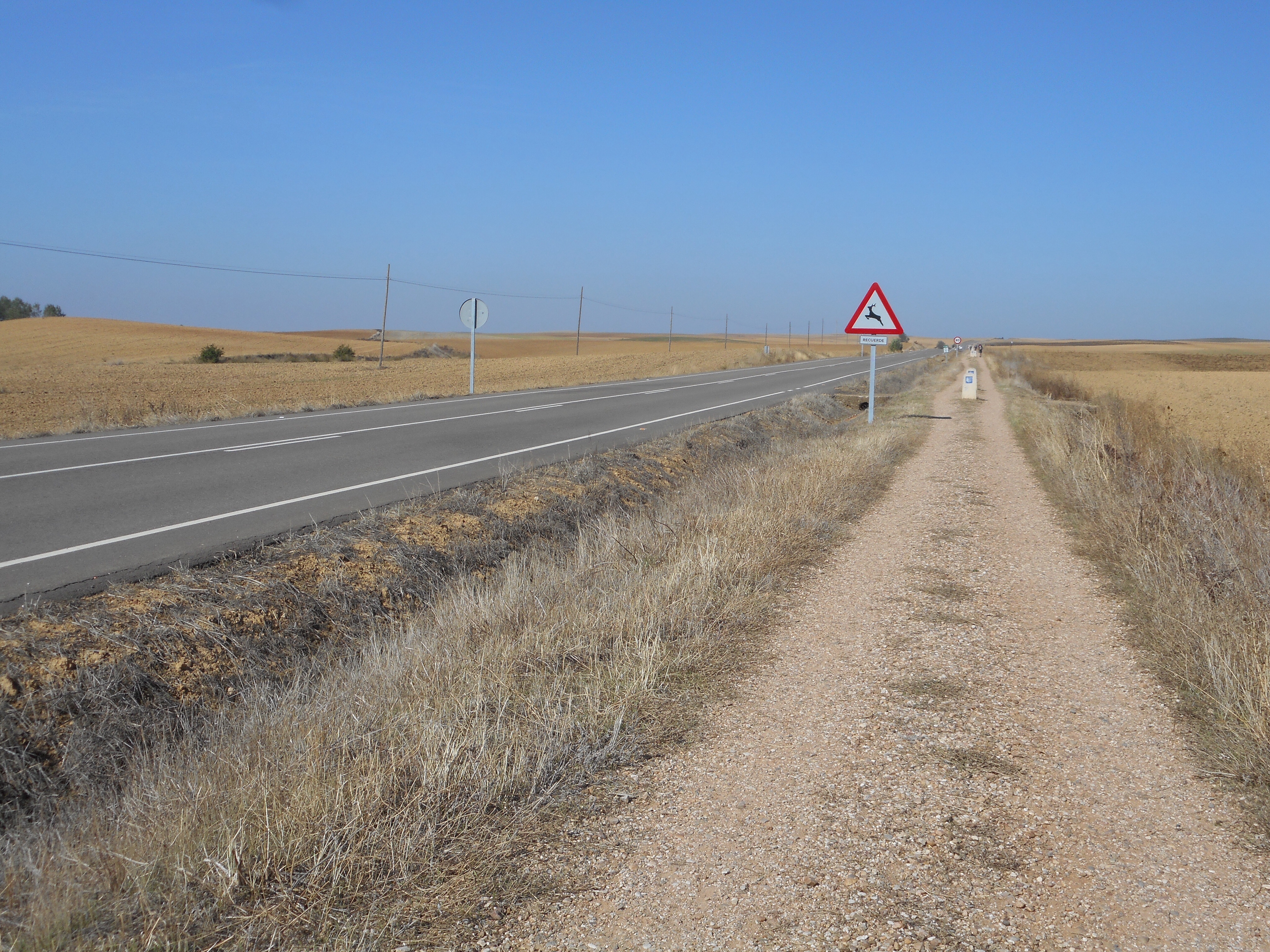
Today we continued on to the small town of Villadangos del Parama. This was on an optional Camino route, but because of a missed turn we pressed on and are now happily ensconced in the municipal albergue for the night. Our route today closely followed a major highway. So, we were subjected to quite a bit of motor traffic noise. But the Camino has a way of exerting its presence even in the midst of such distractions. Tomorrow we will rejoin the “recommended” route as we wend our way ever closer to Santiago – now less than 300 kilometers away. Tomorrow will also be a short day, giving us some welcome time for our weary bodies to recuperate a bit, as we continue on to the town of Hospital de Orbigo.

¡Buen Camino!
Posted in Uncategorized | Tagged , , , | 2 Comments

Mansilla de las Mulas (Days 22 and 23 on the Camino)

image
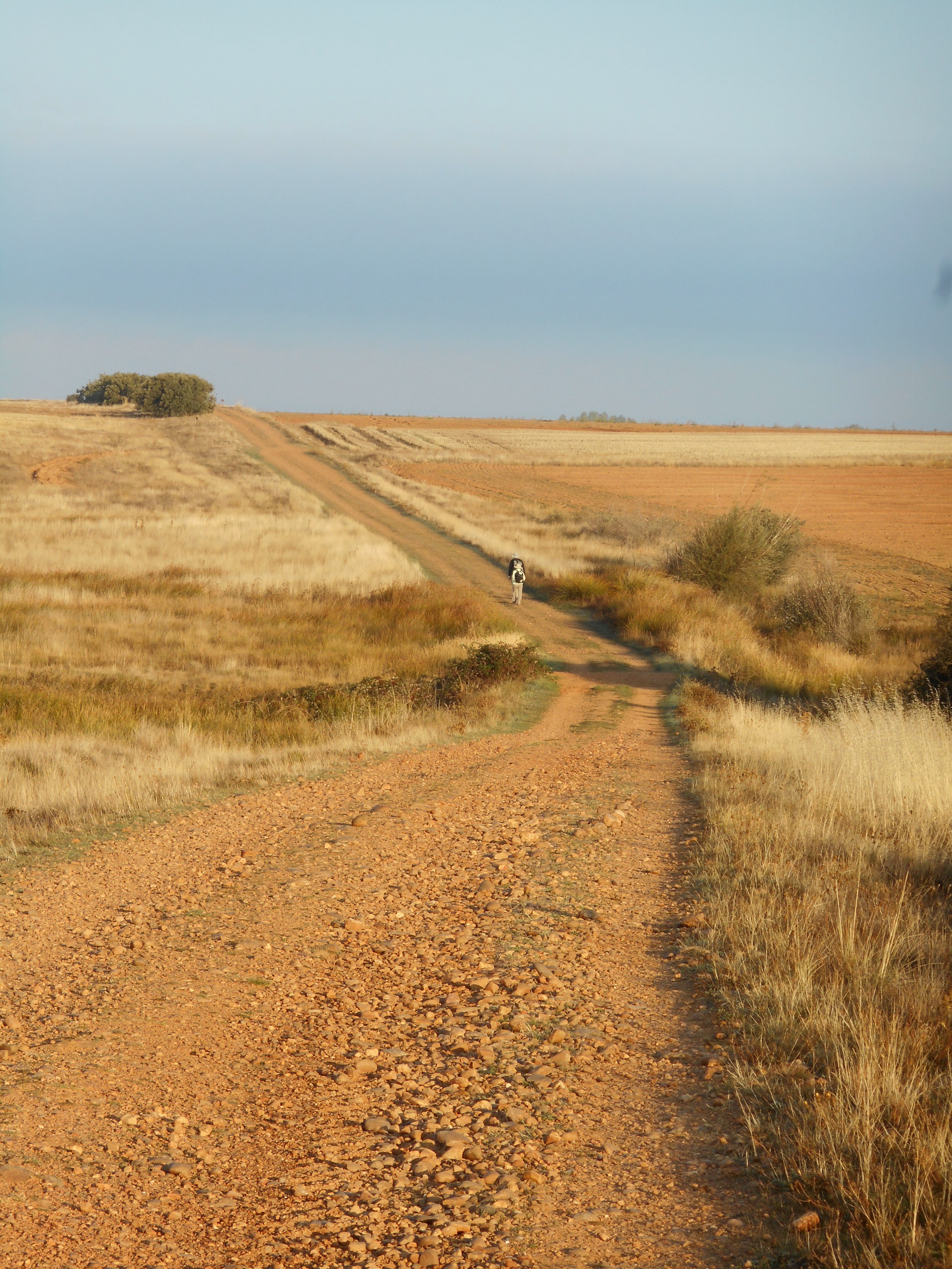
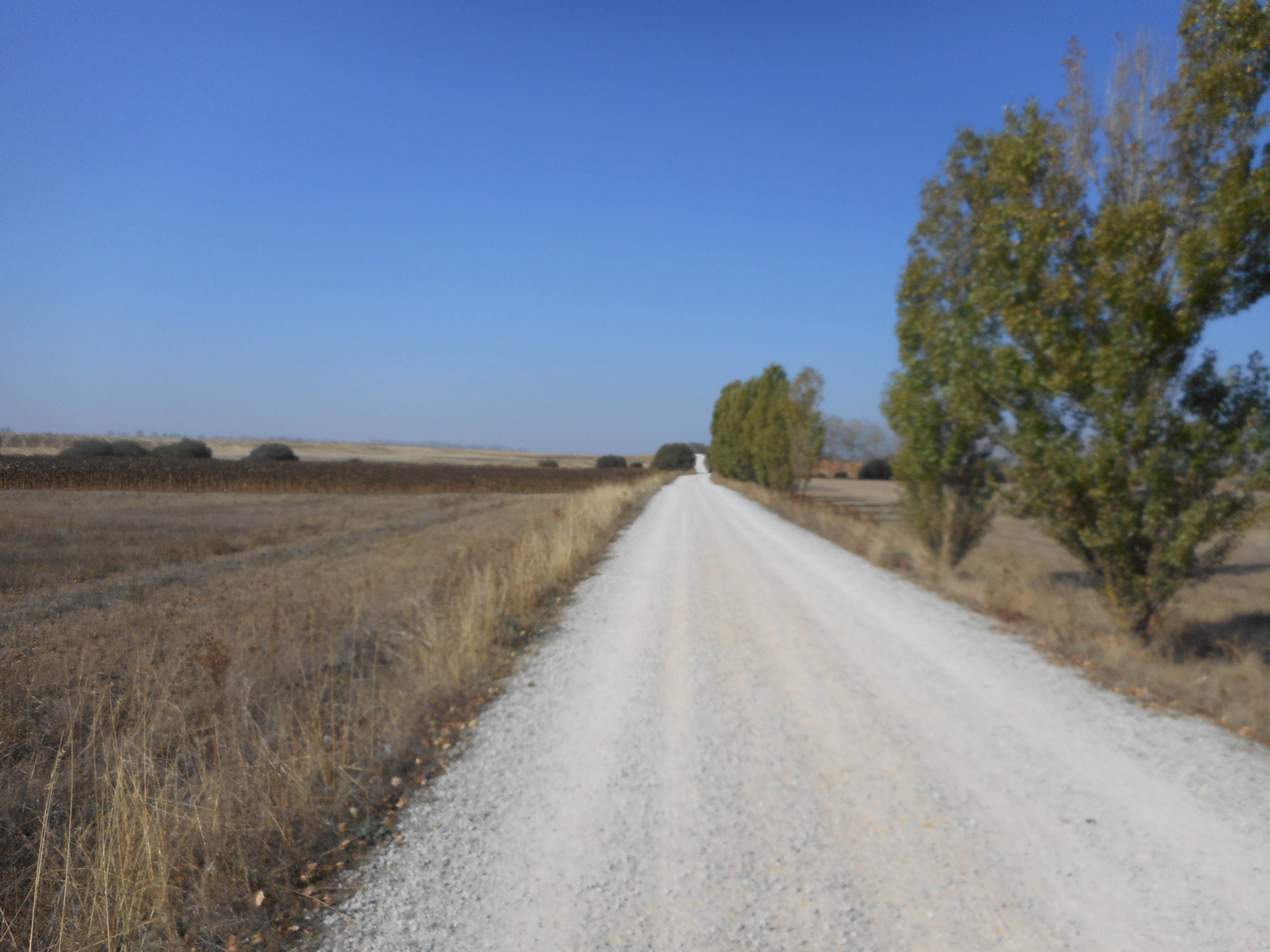
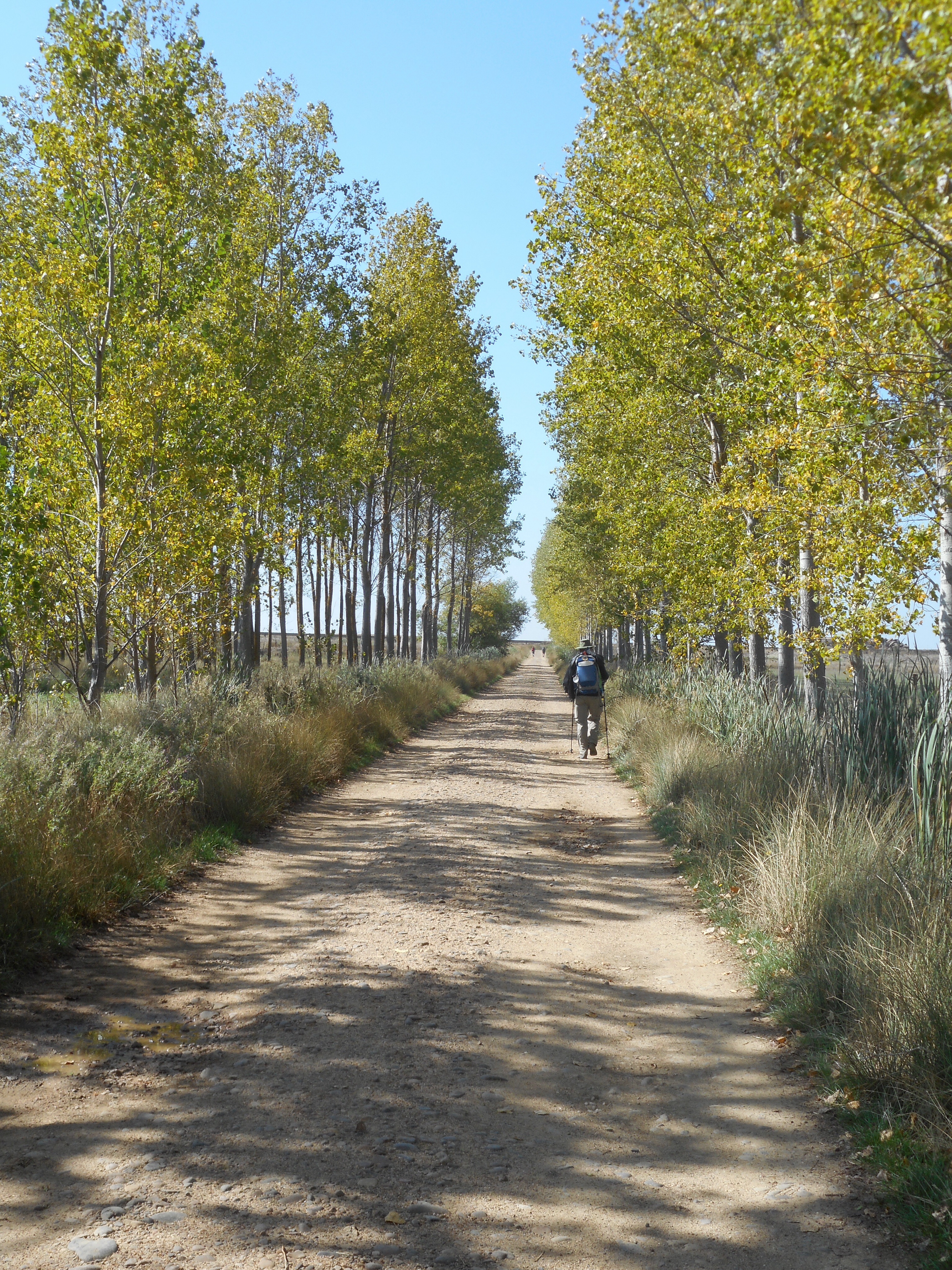
imageWe continued our traverse of the Mesata over the past two days. Today we walked along the ancient Roman road known as the Calzada Romana. Our guidebook claims that this is “the most perfect extant stretch of Roman road left in Spain today.” This was also a very remote stretch of the Camino with no asphalt roads, no towns, no villages, no farmyards, no homes, no water fountains, no food, and very little shade. But, it was also a stretch with no cars, no noise, and no extraneous distractions either. In this respect, it was beautiful and peaceful. We crossed miles of gently rolling fields and only saw a farmer or two working their fields. Some people complained that the road was a bit boring since it just ran straight through. But, I loved the stark beauty and found myself imagining the ancient Romans in these exact places building and then using the road. You could almost hear the clink of sword against armor and horses moving by.

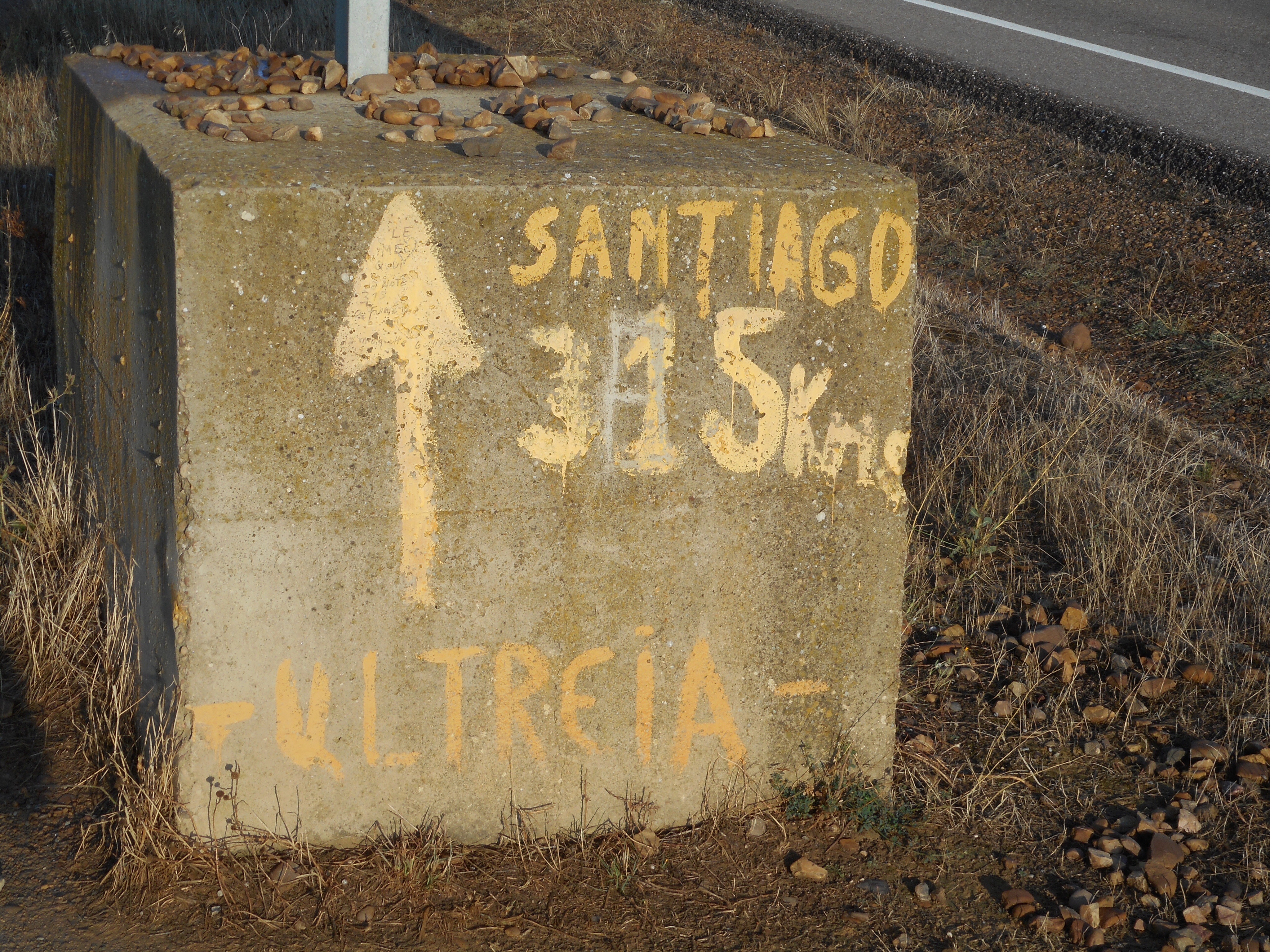
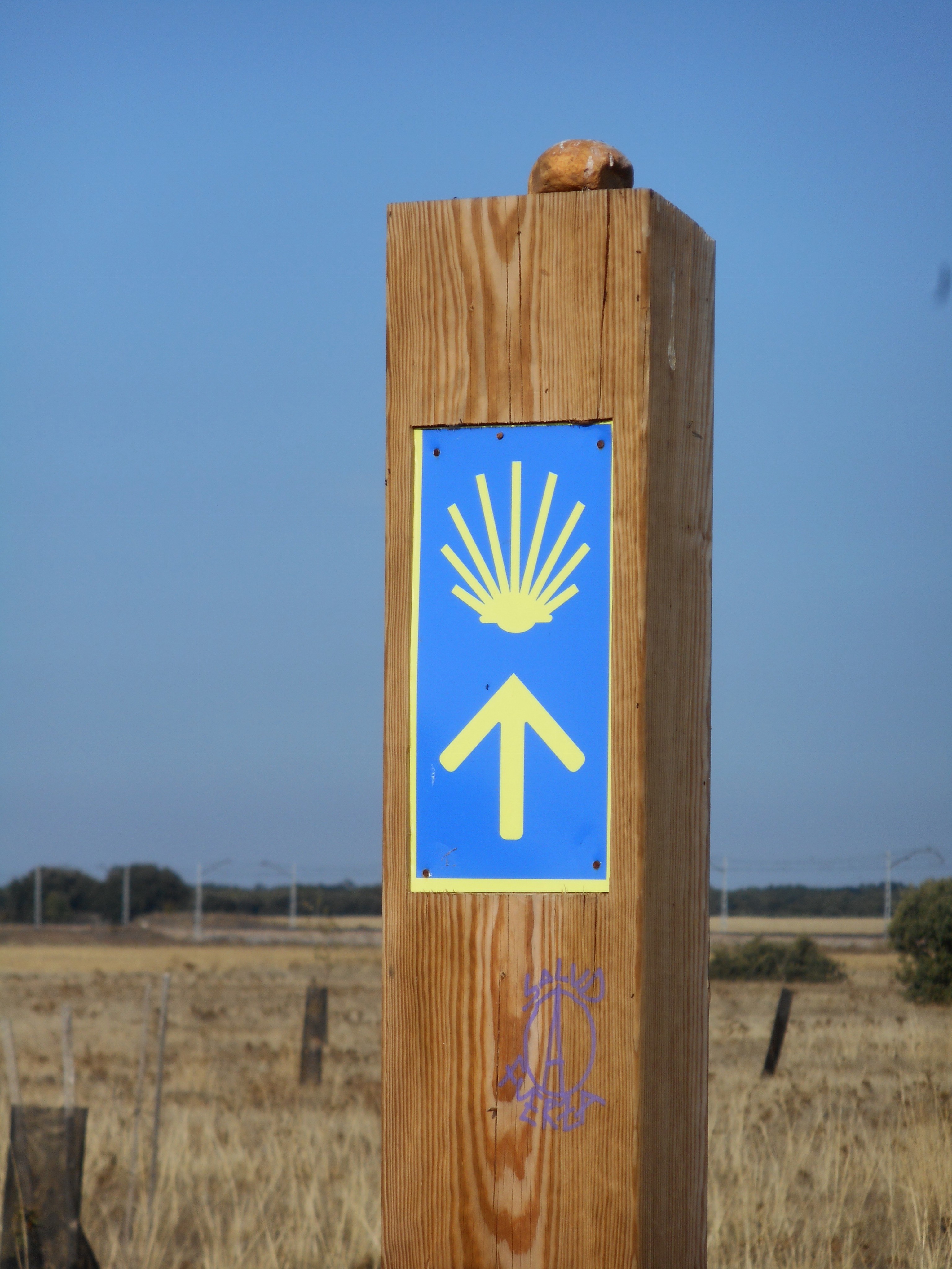
imageYesterday we walked a fairly short route (only about 14 km/9 mi) from Sahagun to Calzadilla de los Hermanillos, a small farming community with a couple of albergues. We continue to marvel at these tiny village that we would otherwise never have visited. The people are warm and welcoming. We speculate that they might be pleased that their towns play host to the pilgrims on their way to Santiago on the historic Camino. We saw an interesting route designator that had two noteworthy aspects. First of all, it let us know that there are only 315 kilometers remaining to Santiago. But, it also displayed the word “Ultreia!” This is a word with Latin and old French roots. It was a greeting used by Medieval pilgrims and is still seen from time to time on the Camino. It means “Ever onward” and was used as a verbal encouragement to pilgrims. It still seems to work its magic even today.

This afternoon I spoke with a group of four college-age girls from Seattle who are hiking the Camino together. They attend Seattle Pacific University and began their pilgrimage in St. Jean Pied de Port a few weeks ago. They were in great condition and were having the times of their young lives. The conversation reminded me of an earlier posting in which I gave words of encouragement to any single young women who might be contemplating hiking the Camino. After publishing that posting I also spoke with a 30-something year old woman named Nicole, from Venice Beach, who cautioned that young American girls would probably be more comfortable hiking in a small group rather than alone and that, before hiking, they should clearly understand what they will be getting into, with shared bathroom facilities and bunk rooms, snoring sleepers, no hair dryers or makeup, and the like. The Camino seems to be very safe, but it is a long way from home and some social company that you can trust is maybe a better idea than hiking alone. By the way, Nicole is a breast cancer survivor who is hiking the Camino alone. She is here with her bald head (okay, with a little peach fuzz), looking and feeling great, thank you very much!

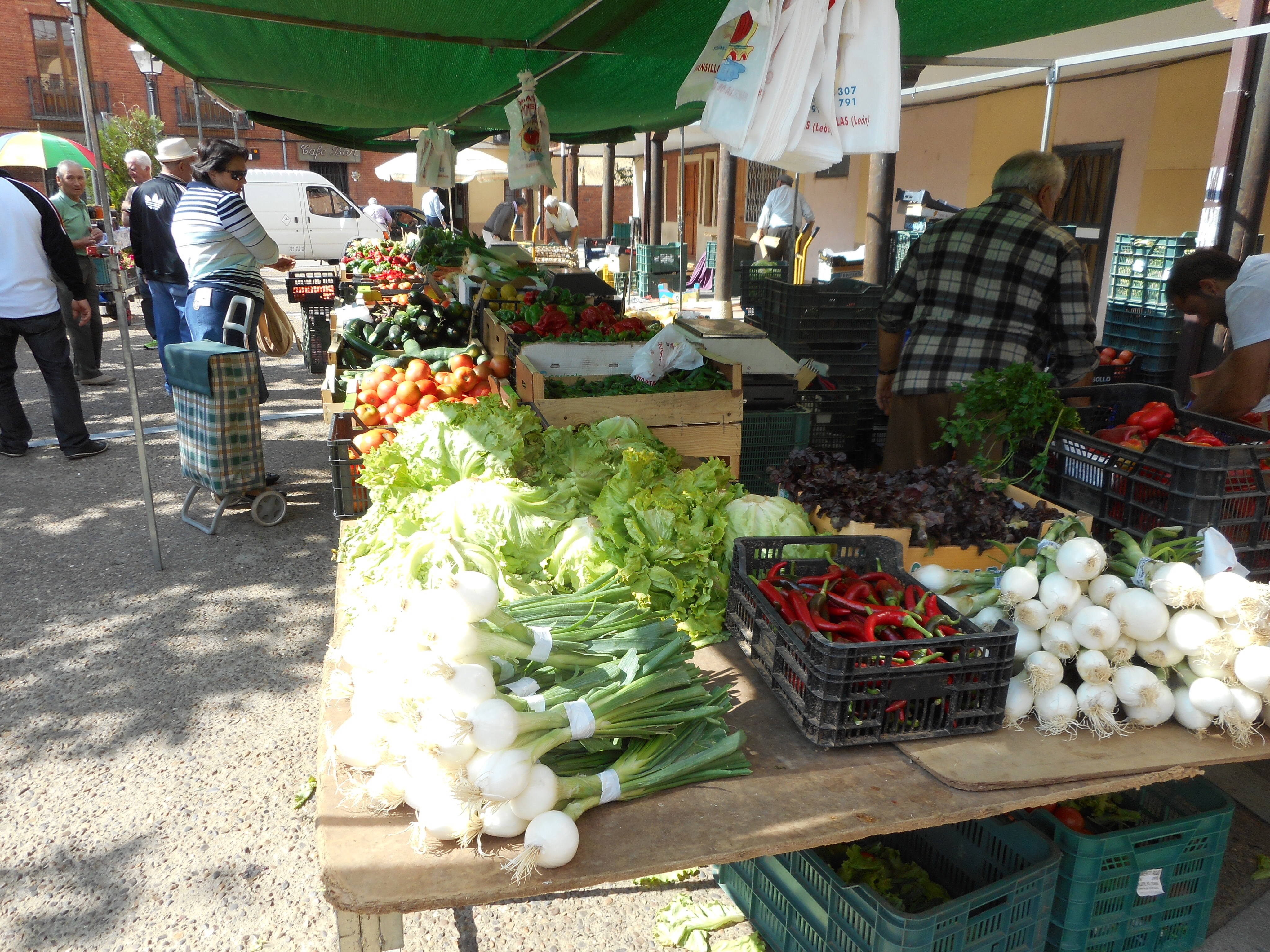
imageOur destination town today (Mansilla de las Mulas) was holding their weekly public market in the town square when we arrived. So, as soon as possible after checking in to the municipal albergue, I headed back to the square to check out the market. I have visited town markets during my travels in many countries and always enjoy seeing the local produce on sale and feeling the energy that always seems to be present at the markets. This market, although not very big, had all the energy I have become accustomed to in the past. The vegetables looked freshly picked and beautiful. It made me a little homesick since I have not been able to cook properly while on the Camino and I miss that a lot.

Tomorrow, we press on to the next big city on the route – Leon (population of 130,000.) Our entrance into the city will be in sharp contrast with the very rural, almost deserted pathways we have been following for the past few days. But, we are looking forward to the change and everything this major city will provide.

¡Buen Camino!

Posted in Uncategorized | 2 Comments

We’re Halfway There!! (Days 20 and 21 on the Camino)

image

At the halfway point!

At the halfway point!

We passed the halfway point on our pilgrimage from St. Jean Pied de Port to Santiago this afternoon! It is hard for us to grasp, but each step is bringing us closer to our goal. The city of Sahagun has erected a monument marking the exact halfway point and for us it became a time and place for a small celebration. We are sometimes not exactly sure why we are doing this, but the progress we have made so far is giving us encouragement to keep taking that next step. Today also marks the completion of our third week on the Camino. So far we have covered about 410 km (255 miles) on our pilgrimage to Santiago!

imageOur original plan had laid out two very strenuous days of 26.9 km (16.7 miles) each for yesterday and today. So, we decided to divide it up into three shorter days. Yesterday we hiked about 18 km to the town of Caldadilla de la Cueza, and today we hiked about 22 km to Sahagun. We are still very much in the Mesata and the scenery is mostly flat farmland, but with a beauty that is unmistakeable. For a long stretch yesterday (almost 12 km), we were on the Via Aquitana – the remains of an original Roman road that is still intact after 2,000 years of use. It ran straight as an arrow, with little or no shade. But, the connection with history was very clear. It is interesting that since this region is a bogland without any natural stone it is estimated that the Romans had to import around 100,000 tons of stone from elsewhere just to raise the roadbed above the winter flood levels in this part of the Via Aquitana.

Today we continued on to Sahagun. Where possible we chose to follow the more rural optional routes rather than the autopistas that run directly next to the area’s highways. Not too much else to report today. The Camino is being fairly kind to us. We had been expecting rain today, but didn’t get much more than a few sprinkles. Our bodies and feet, although tired at the end of each day, are not giving us many problems. In fact, the first few hours each day feel very good. It isn’t until the sun comes out and begins to bake us that we start to fade and our feet start to hurt. Thankfully, because of the rains in the area we had cloud cover most of the day and cool breezes. It was perfect weather for a pilgrimage.

image

¡Buen Camino!

Posted in Uncategorized | Leave a comment

Carrion de los Condes (Day 19 on the Camino)

image

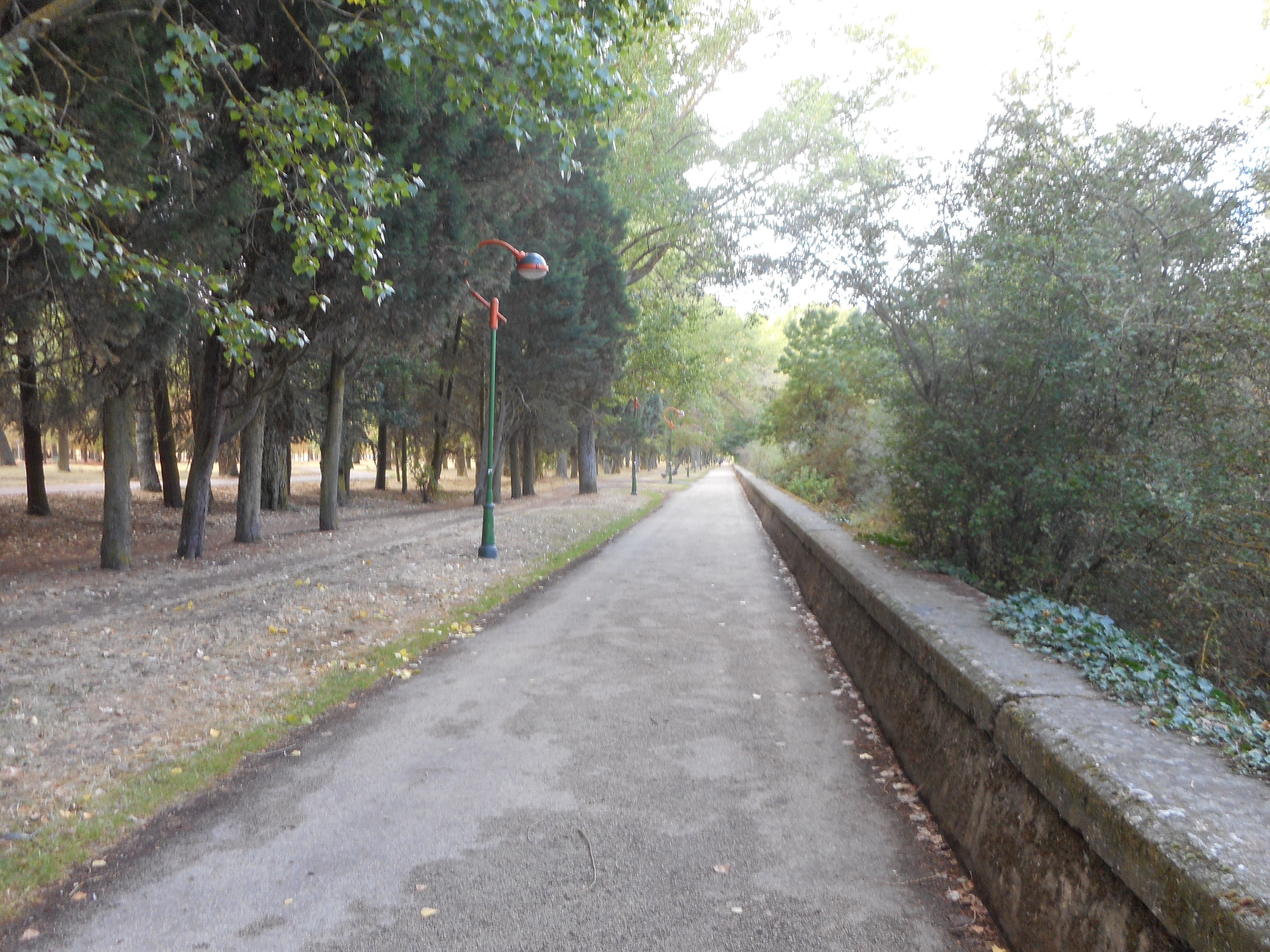
imageToday was a big change from previous days since I walked alone. Clint was off to another town, off the Camino, to see some fine religious art. I chose to continue walking and found it to be a wonderful experience. The route I followed was one of the suggested alternate routes and instead of walking on a path next to the highway, my route followed a river, with shade trees and, most importantly, very few pilgrims. I was able to walk for several hours pretty much by myself. This was very conducive to personal meditation and contemplation. I didn’t have to concern myself with holding anyone up, or having to wait for someone, or trying to keep up, or carrying on a conversation – not one of my strong points. I just went at my own pace, resting (or not) when and where I wanted. It was a blissful experience. I tend to be a solitary person and not having anyone to talk with was not a detriment to my enjoyment of the Camino, but a positive.

imageEventually my path joined back up with the main route and for the final 5 or 6 kilometers I too walked besides the highway on a featureless arrangement known as a “pilgrim autopistas.” Once in town I located the Albergue Espiritu Sanctu (Holy Spirit Albergue), after a bit of searching, where I spent the night. The sisters operating the albergue pretty much only spoke Spanish, but their welcome was genuine, heartfelt, and impossible to misunderstand. I was greeted with a simple glass of water in a throwaway plastic cup, but it was wonderful. The Camino is teaching me to truly appreciate simple things in life – a glass of water, a piece of ripe fruit, a spot to sit in the sun or shade, a friendly welcome smile, a simple Camino grace.

I also thought a bit more about pilgrimage, trying to discern why my pilgrimage is different than just an adventure or great vacation. Many people on the Camino only appear to be here for secular reasons. But the Camino has so much more to offer to those who are open to receive its graces. I was able to see that a pilgrimage is more than just a slowing down, a stepping back, or a passing through. To gain all a pilgrimage has to offer there has to be an intention or underlying purpose in the destination and in the meditation or contemplation that occurs while on the pilgrimage. I’m still trying to sort this all out, but I believe the true meaning is beginning to solidify more for me. At other times I feel like the Camino serves as a kind of penance for my past sins (which are many.) But, I usually feel way this toward the end of the day when my feet and body are hot, sore, and tired.

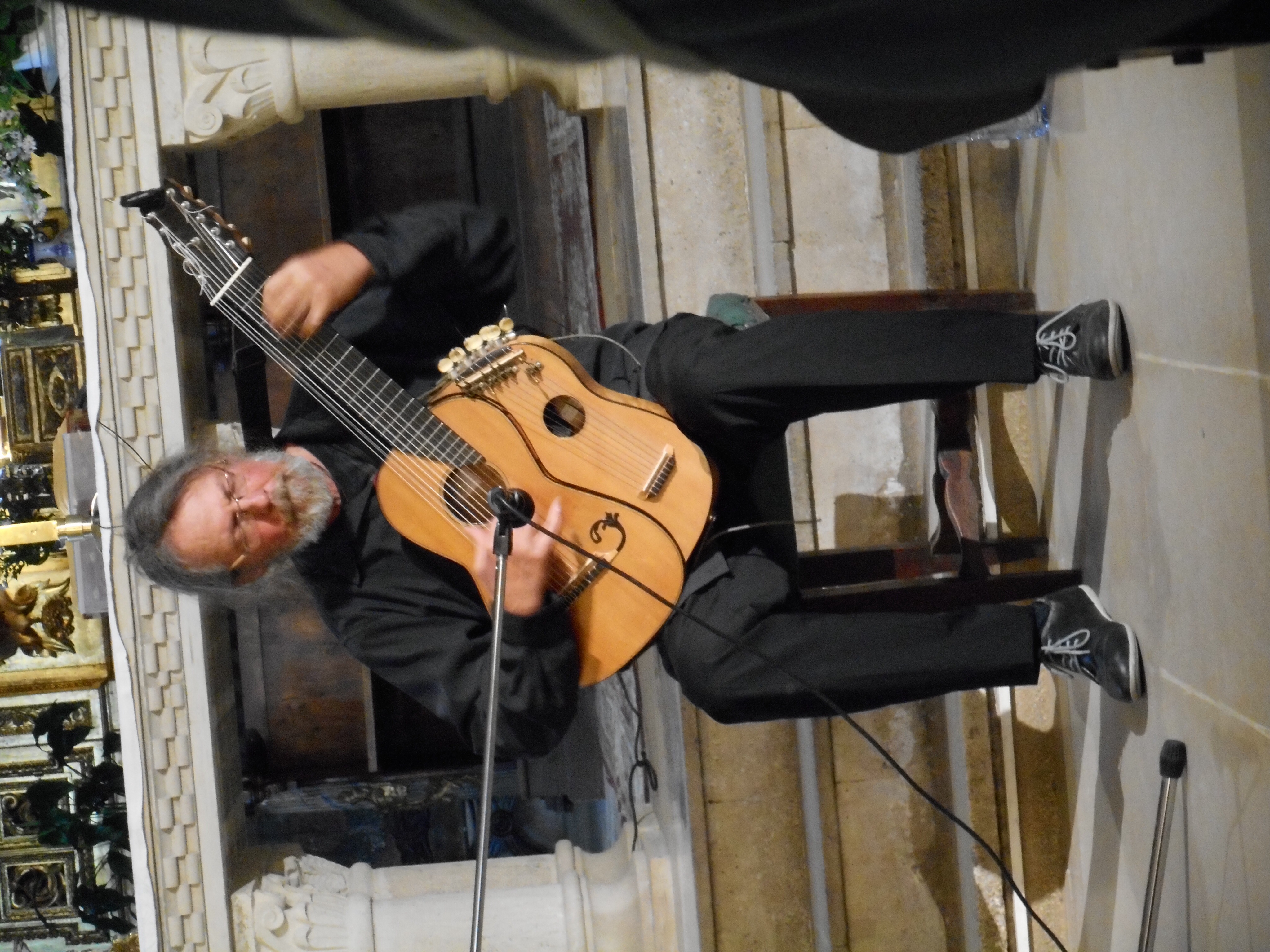
imageMy Camino grace for the day was a free guitar concert that was presented in the local church in the early evening. The artist (whose name I did not write down, unfortunately) was superb. He played a one-of-a-kind stringed instrument that he had arranged to be built to his personal specifications. It is a 19-string instrument and I feel certain he is the only artist in the world who could play it properly. This was the last in a series of concerts given on Friday evenings throughout the summer in Carrion de los Condes. By coincidence, even though I arrived a day ahead of my planned schedule, I arrived just in time for this wonderful, free concert. What a gift!  Was this a Camino grace or just another random coincidence? What do you think? After the concert we attended the pilgrim mass and every pilgrim in attendance was invited to the chancel to receive a personal blessing from the priest and a simple gift from one of the nuns – the end to another perfect day on the Camino.

¡Buen Camino!
Posted in Uncategorized | Leave a comment

Burgos to Fromista (Days 16, 17, and 18 on the Camino)

image
imageThe days are passing quickly as we approach the midpoint of our pilgrimage. We have been blessed with good weather and the terrain has become much more level now that we are in the region of the Mesata. Autumn has apparently arrived right on schedule. The past couple of days have been quite chilly in the mornings and cool and breezy in the afternoons. It’s very nice weather for hiking. But, I’ve had to break out my fleece jacket and rain jacket/windbreaker to keep warm in the mornings and evenings, and my sleeping bag to keep warm overnight. Prior to this, it was shorts and a shirt during the day and just a light sleeping bag liner at night.

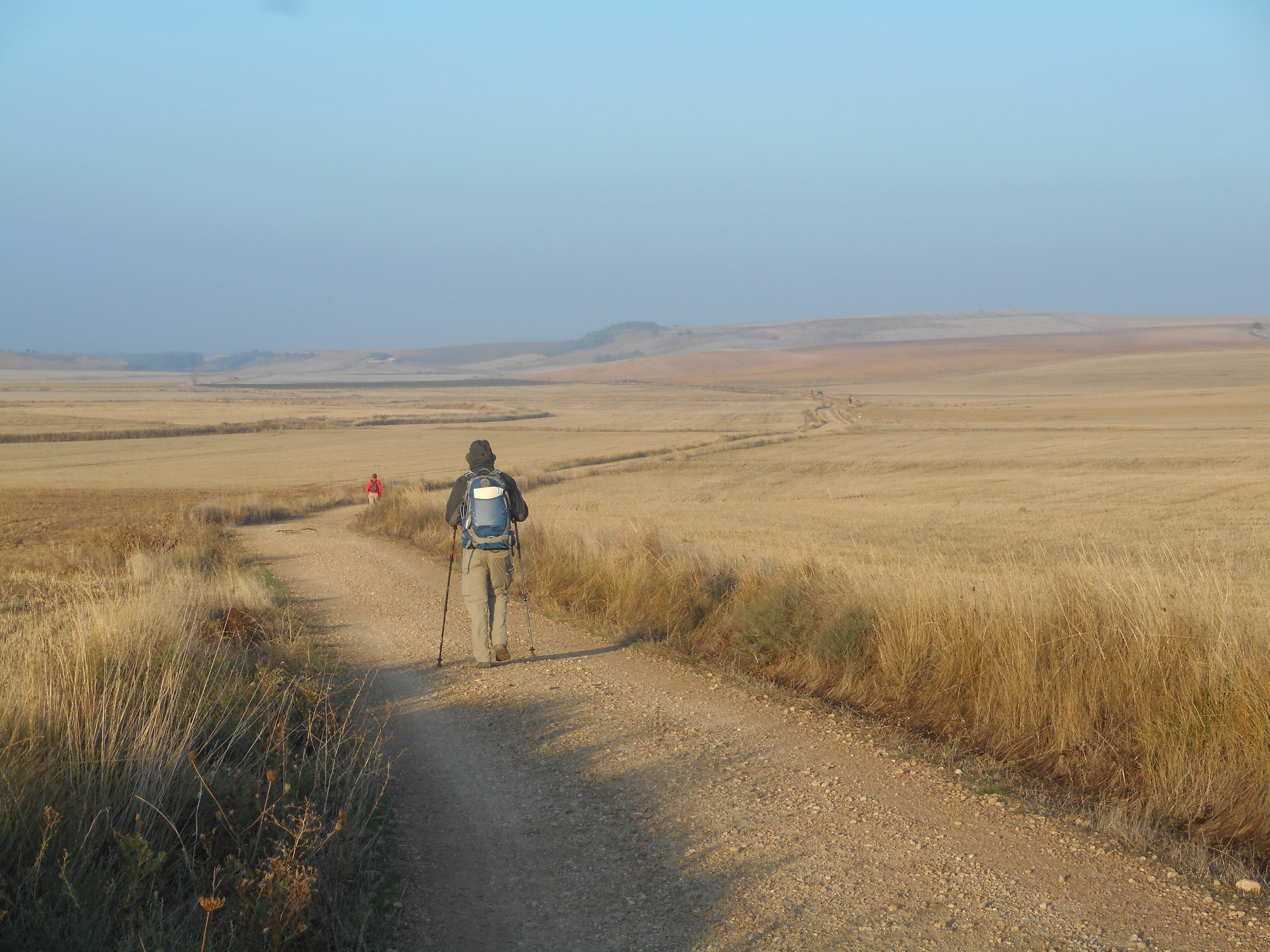
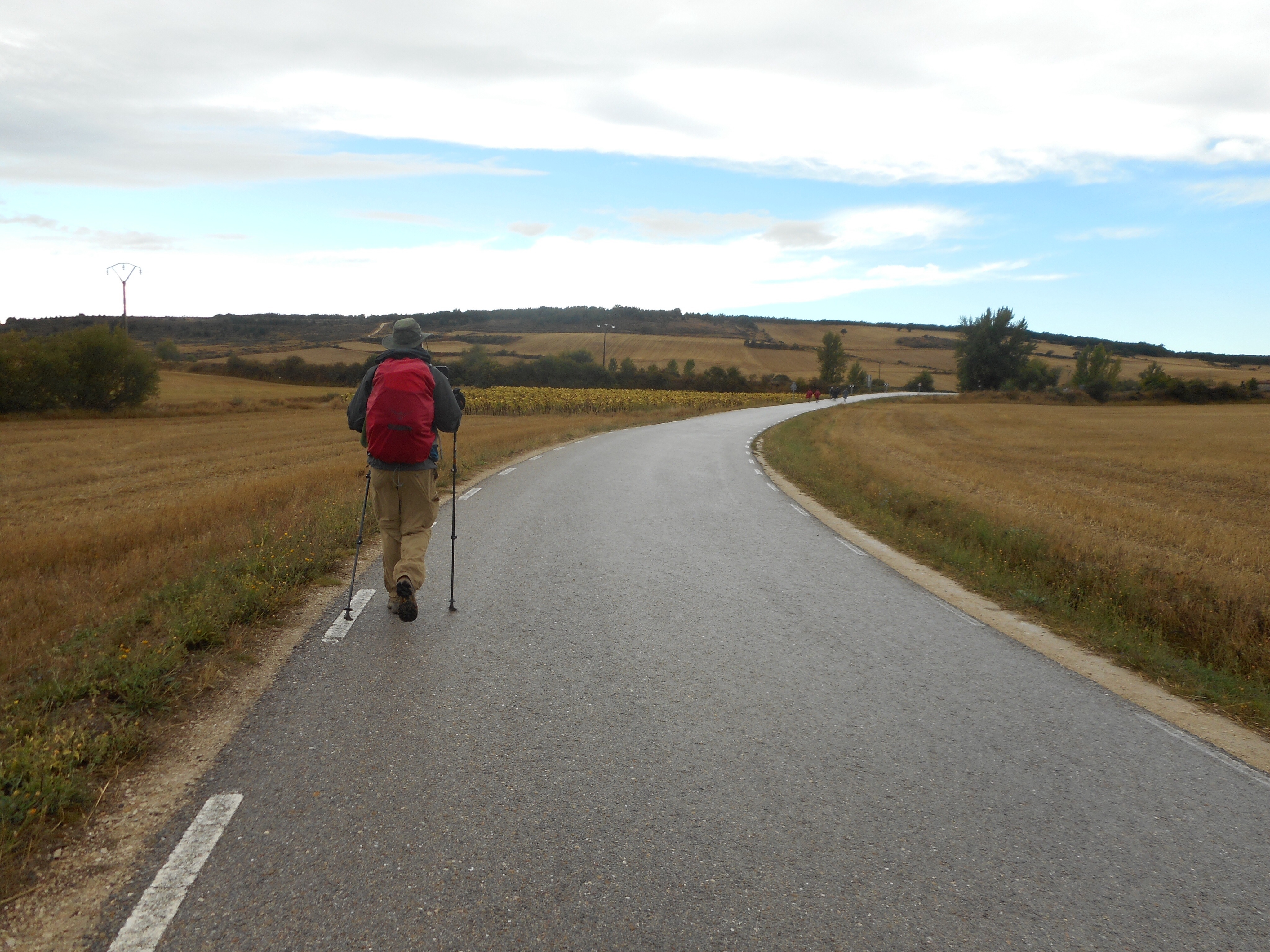
imageThe scenery continues to amaze. As we enter the Mesata we are treated to broad vistas that seem to go all the way to the horizon. We were warned that the Mesata could be boring, but many of us are finding it to be as beautiful as any other part of the Camino we have seen to date. God’s handiwork does not fade as we cross the land.

Since one day seems to meld into another when we are in the country, I will try to catch up by covering the last three days briefly in a single post.

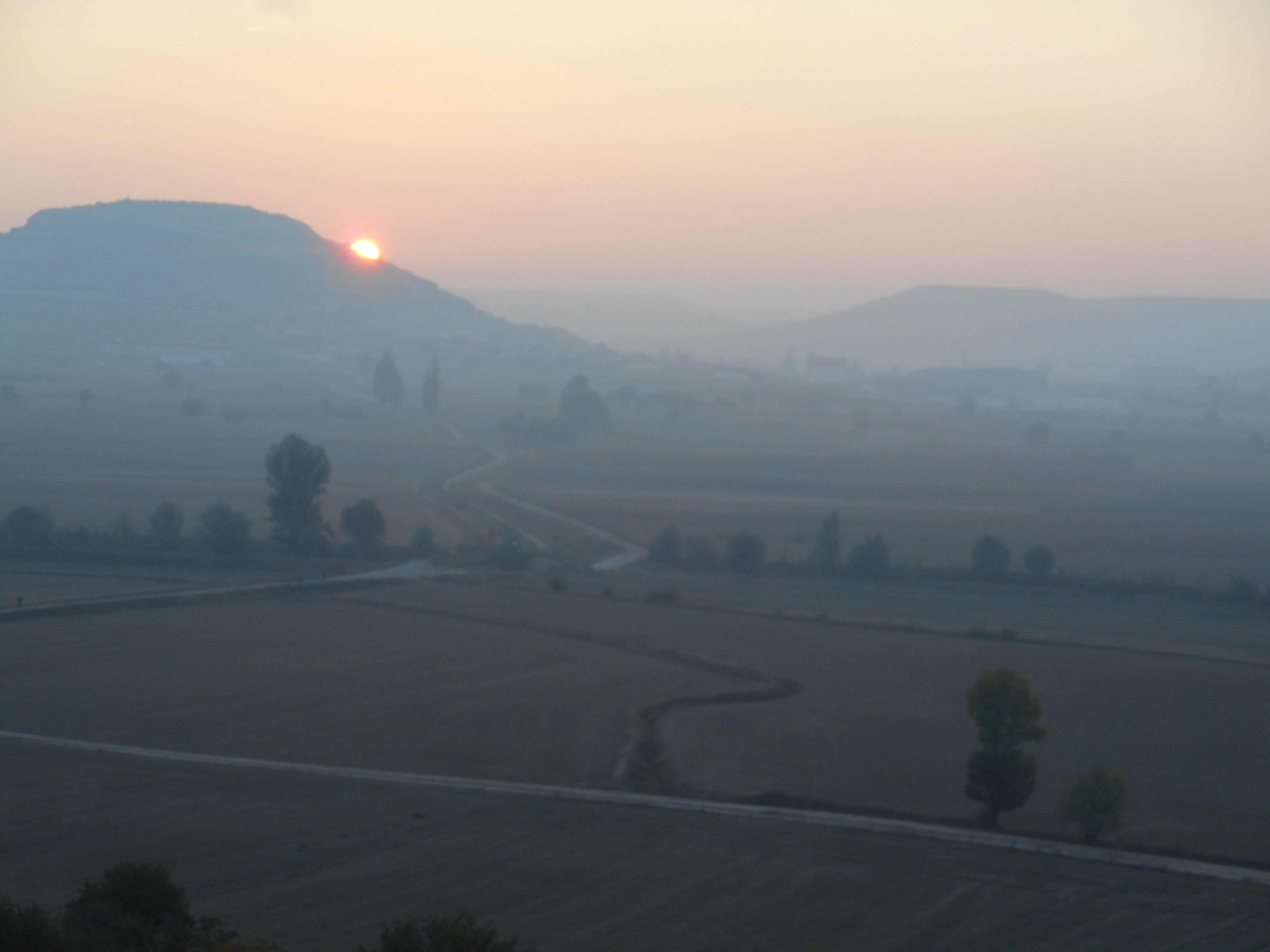
Sunrise over the Mesata.

Sunrise over the Mesata.

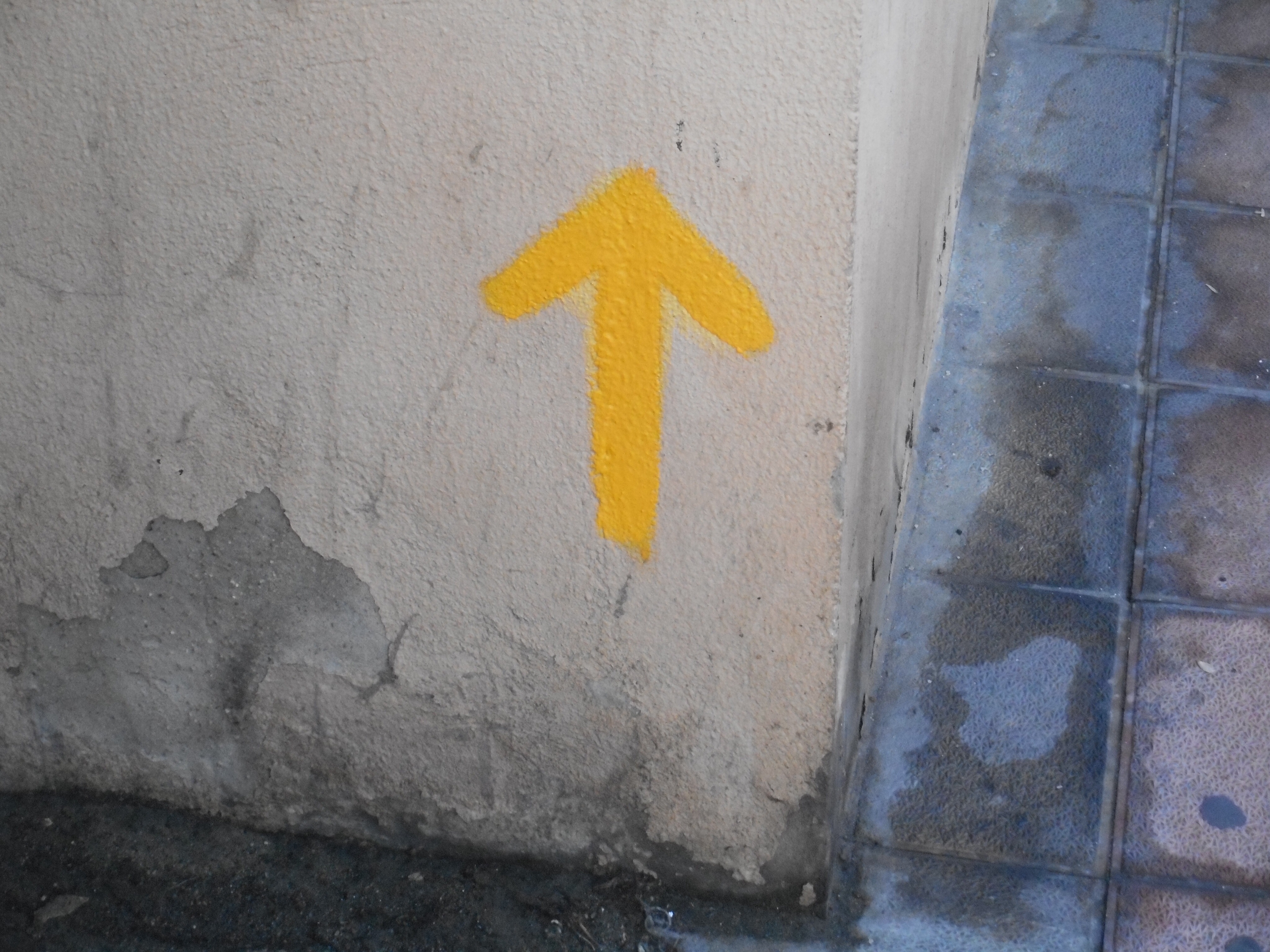
Shortly out of Burgos we experienced yet another Camino grace. We were approaching an area where construction crews are building a major highway intersection. As we approached, we were met at an intersection in the Camino by a woman who told us to not follow the yellow arrows pointing to the left, since that would lead us to the construction in an area that was impassible, but to go instead to the right, around the construction, and to meet up with the Camino again further on. Her directions proved totally accurate. The question was why was this lady there helping the pilgrims? The intersection was pretty much in the middle of nowhere. But she had taken this task on herself, for no remuneration, in order to help the pilgrims. This was indeed another Camino grace. It really makes you scratch your head.

imageOn Tuesday we left Burgos and headed for Hornillos del Camino. As we left the urban neighborhoods on the outskirts of Burgos, the scenery changed dramatically and quickly into rolling fields of wheat, barley, and oats broken only by the occasional river crossing or small rural town. There is little or no shade on the Mesata, but the cooler weather is making the hiking easier than when the sun was baking us and our packs last week. Hornillos del Camino is an ancient medieval town with little to offer other than a couple of albergues and a bar/cafe/restaurant or two. But, the facilities located here have provided a quiet and restful break from the Camino and have given our bodies the needed time to recuperate from the day’s abuse.

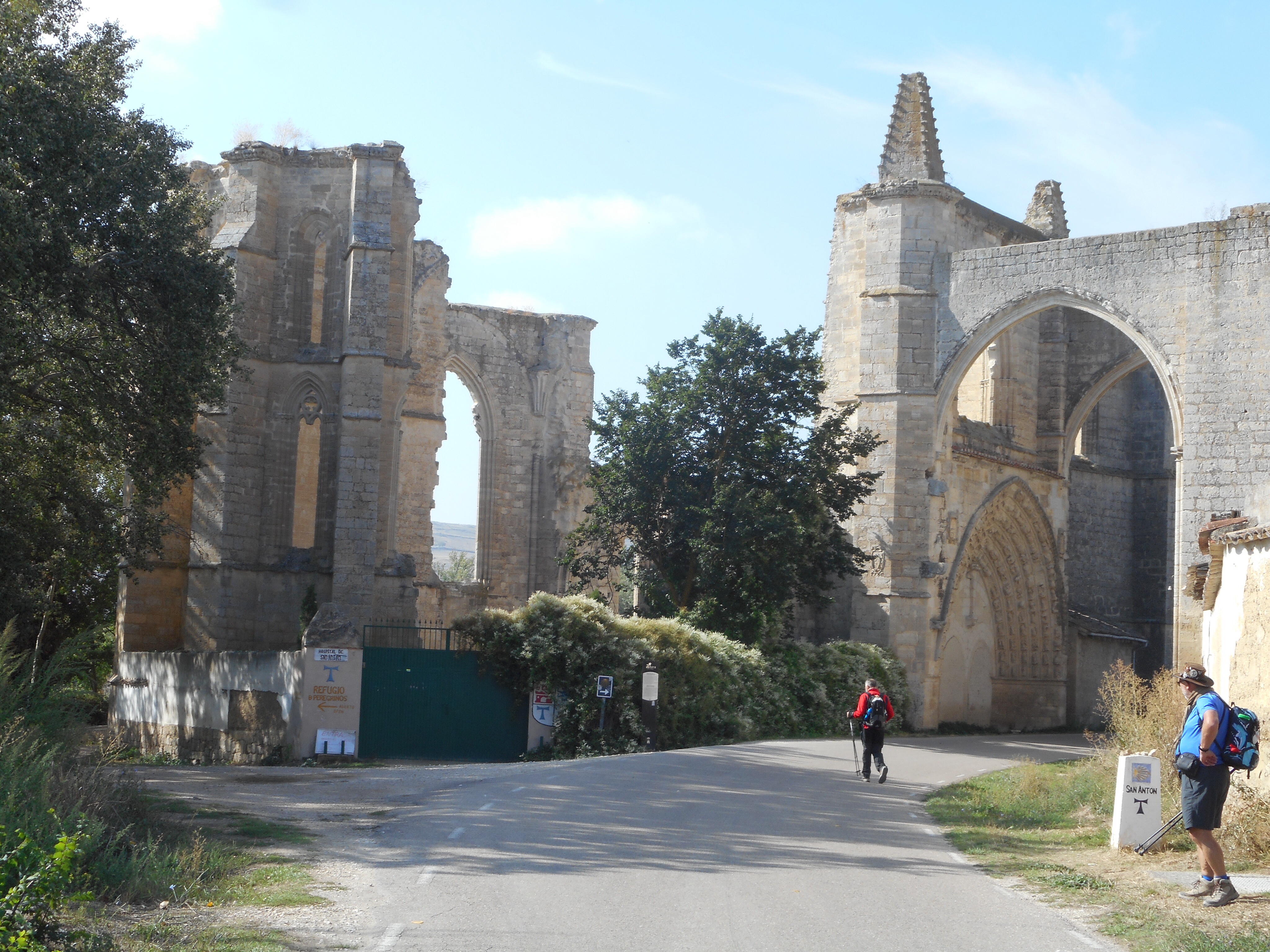
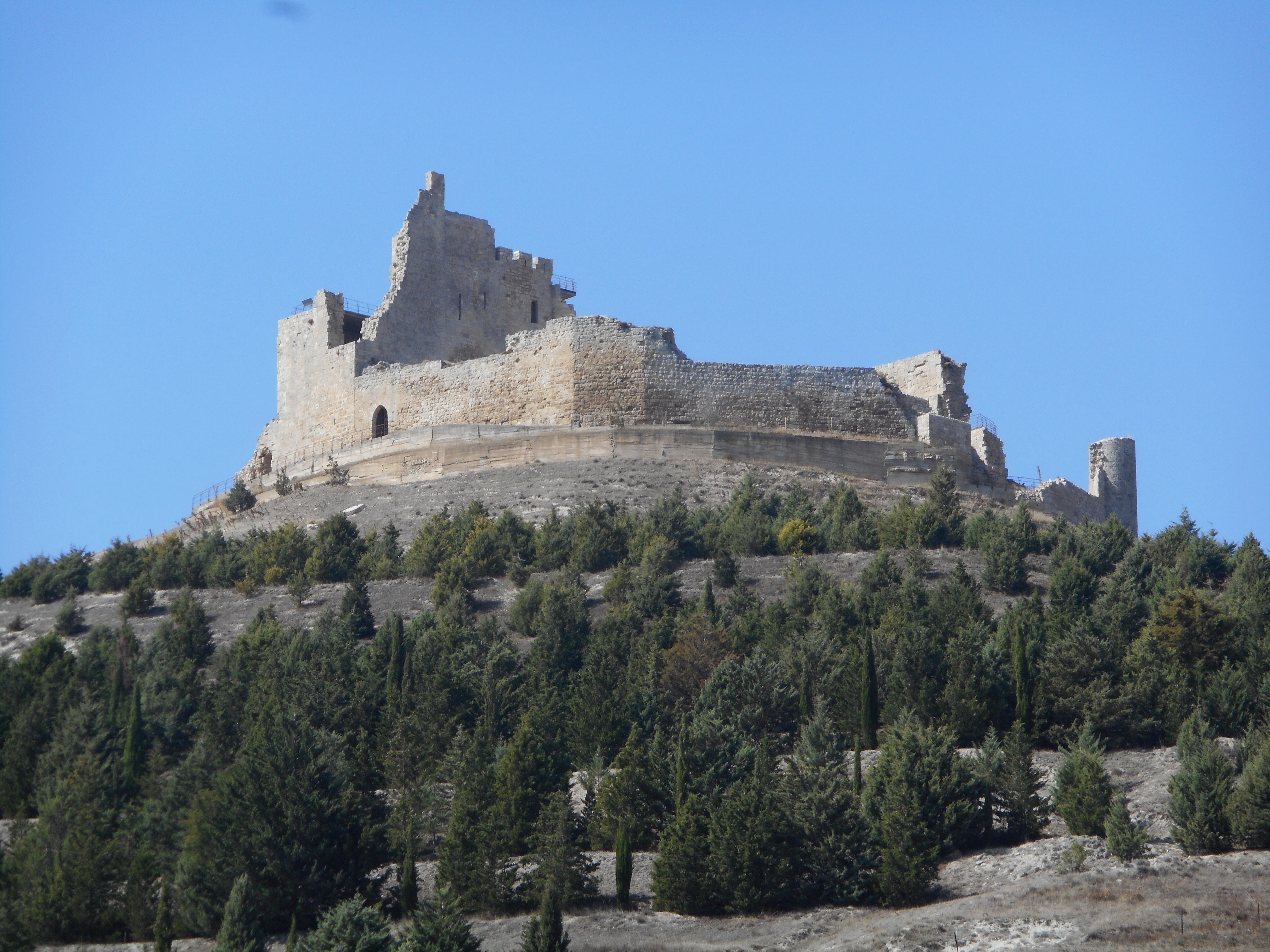
imageOn Wednesday we continued on to the the town of Castrojeriz, with a population of about 1,000. Again, most of the day we crossed extensive rolling fields of grain. But the departure from the noise, hustle, and bustle of civilization was very restful. In one of the intermediate towns, San Anton, we were treated to the splendid ruins of the 14th century Convent of San Anton. A little further down the Camino we entered the town of Castrojeriz. The first buildings you notice there are the 9th century castle on top of the adjacent hill (now in ruins) and the 16th century Iglesia de San Juan, which has been renovated and is now a museum of sacred art. It contains several beautiful altarpieces as well as a broad collection of religious art, statuary, and other artifacts. The church also boasts a beautiful rose window.

image
image

We had to search a bit to find an albergue that wasn’t already “completo” (full), but we finally secured the last two beds (upper bunks) at the municipal albergue located at the far end of the town. Our guidebook told us that the residents of the town “seem to be permanently occupied with siesta except during the garlic festival in July,” but I couldn’t confirm this based on our experience this day.

We have been traveling with a fairly large group of other pilgrims for the past week or so. Generally, we don’t see them except briefly during the day while walking, but we all see each other at the albergues, wandering around town, or at dinner. It is nice to have these new friends that we check in with every evening. We compare notes to see how the day went and what condition our bodies and feet are in. We are starting to become a sort of family far away from home.

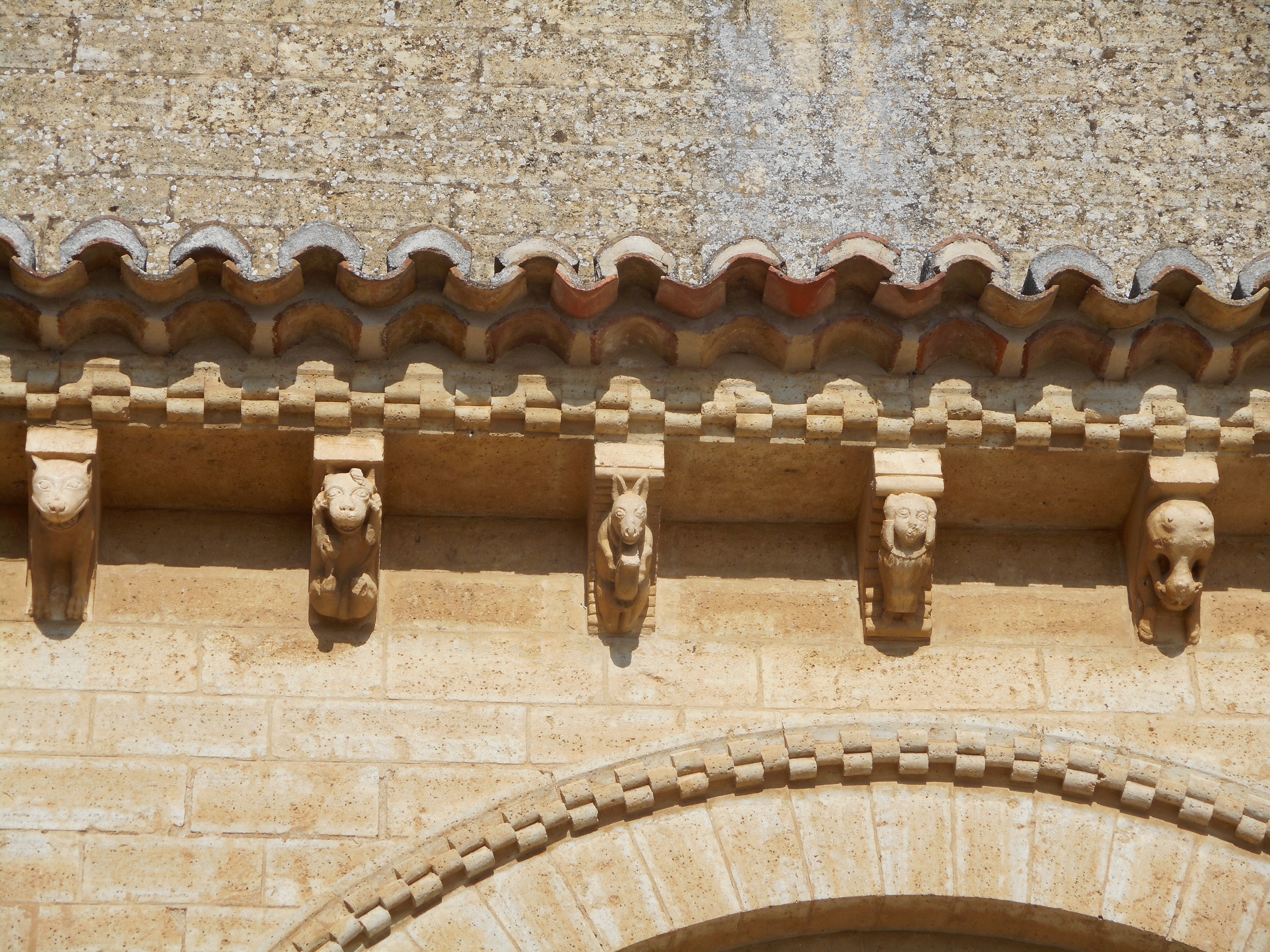
imageToday we had a long walk (25.2 km/15.7 mi) to the community of Fromista. This town is noted for its beautiful 11th century Iglesia de San Martin (originally consecrated in 1066), reportedly one of the finest examples of pure Romanesque architecture in Spain. It is noted for the more than 300 corbels located under the roof eaves. Each one is a different human, animal, or mystical motif. Very interesting.

image

Tomorrow Clint is going off route to the city of Valladolid to visit the Museo Nacional de Escutura (National Museum of Culture) which reportedly houses one of the finest collections of polychrome religious figurines in the world. These are carved, wooden sculptures that are painted in lifelike colors and typically adorn altarpieces and other structures. I will be continuing along the Camino with a planned destination of Carrion de los Condes and we plan to meet up again at that time. More to follow…

¡Buen Camino!
Posted in Uncategorized | Leave a comment

Burgos (Day 15 on the Camino)

imageWe embarked on our longest trek of the Camino so far (except for the first day) on our way to the city of Burgos. This is the first big city (population of almost 200,000) we have visited since we left Pamplona. In order to get a jump on the day, we started our walk about 45 minutes before sunrise, using our hiking headlamps for illumination. We had been warned that there was an 80% chance of rain for the day and the forecast proved accurate. We encountered a light but steady rain that lasted until about noon when we dropped down from a mountain range and onto the beginning of the flat area of Spain known as the Meseta. Our backpacks have built-in rain covers, but we supplemented that with our rain ponchos and were able to stay mostly dry.

imageAfter hiking through a series of small towns we began entering the outskirts of Burgos. Although the routes leading into the city center go through some of the seedier and more run-down sections of the city, we eventually found ourselves hiking alongside the Arlanzon River that also runs besides the city. This pathway has been turned into a lovely city park with paved walkways for strollers, joggers, and bicyclers, who we saw in abundance. In contrast to these active, fit citizens we must have looked a bit like hobos. But, the locals are familiar with the Camino and the peregrinos that pass through each day. So, we didn’t get too many strange looks. In fact, as in many other places in Spain, we were often greeted with a friendly “Buen Camino.”

El Cid

El Cid

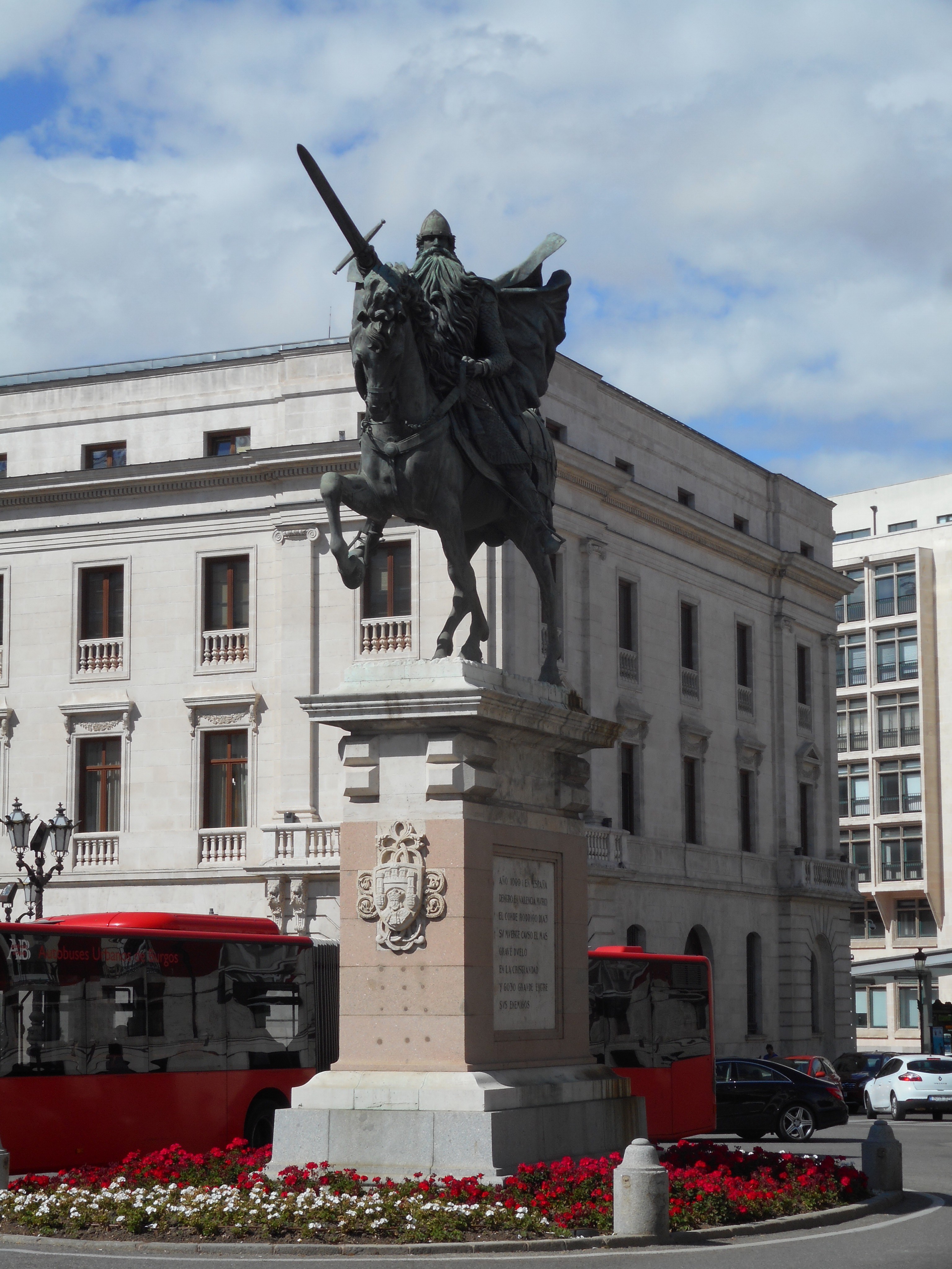
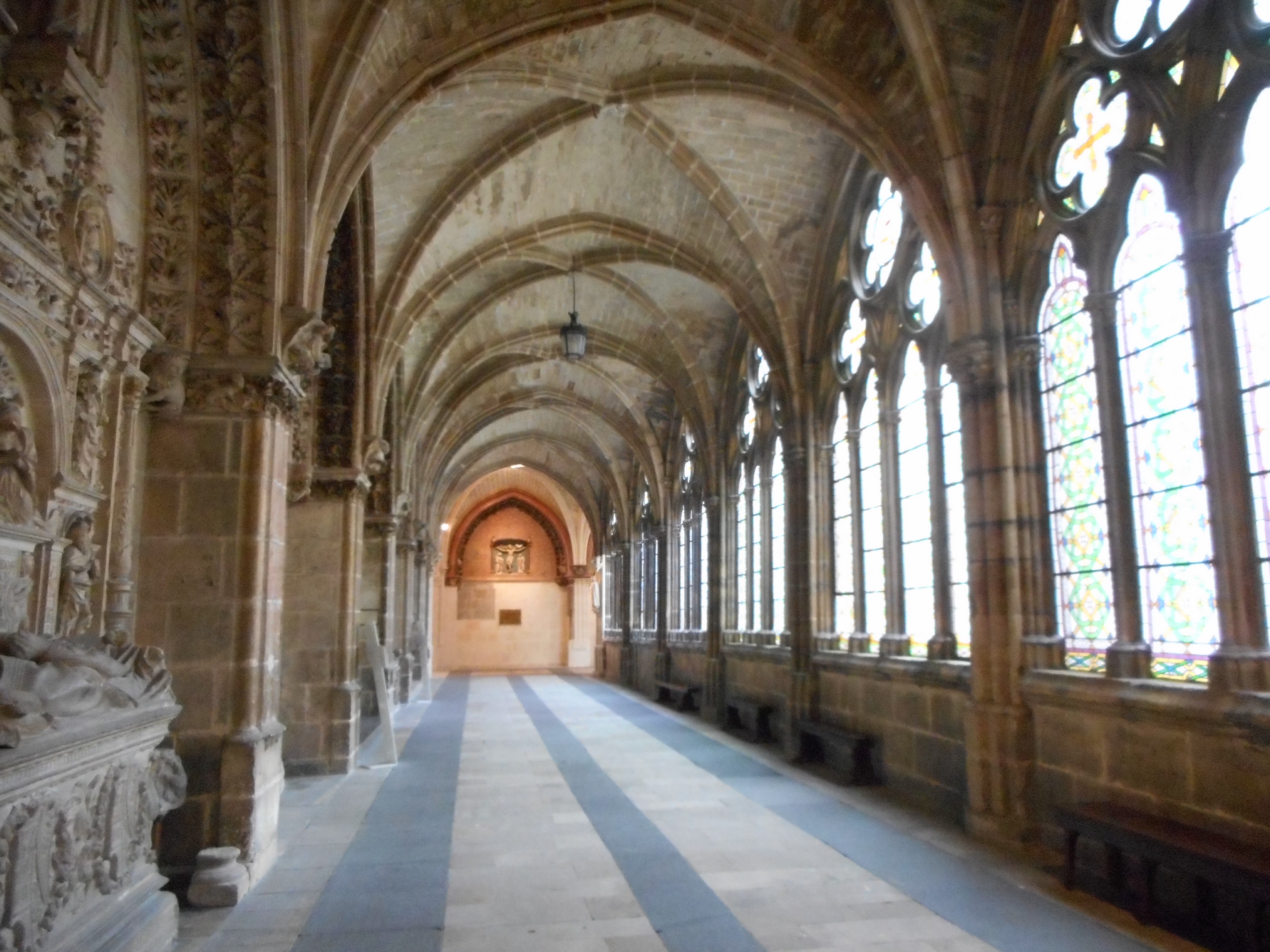
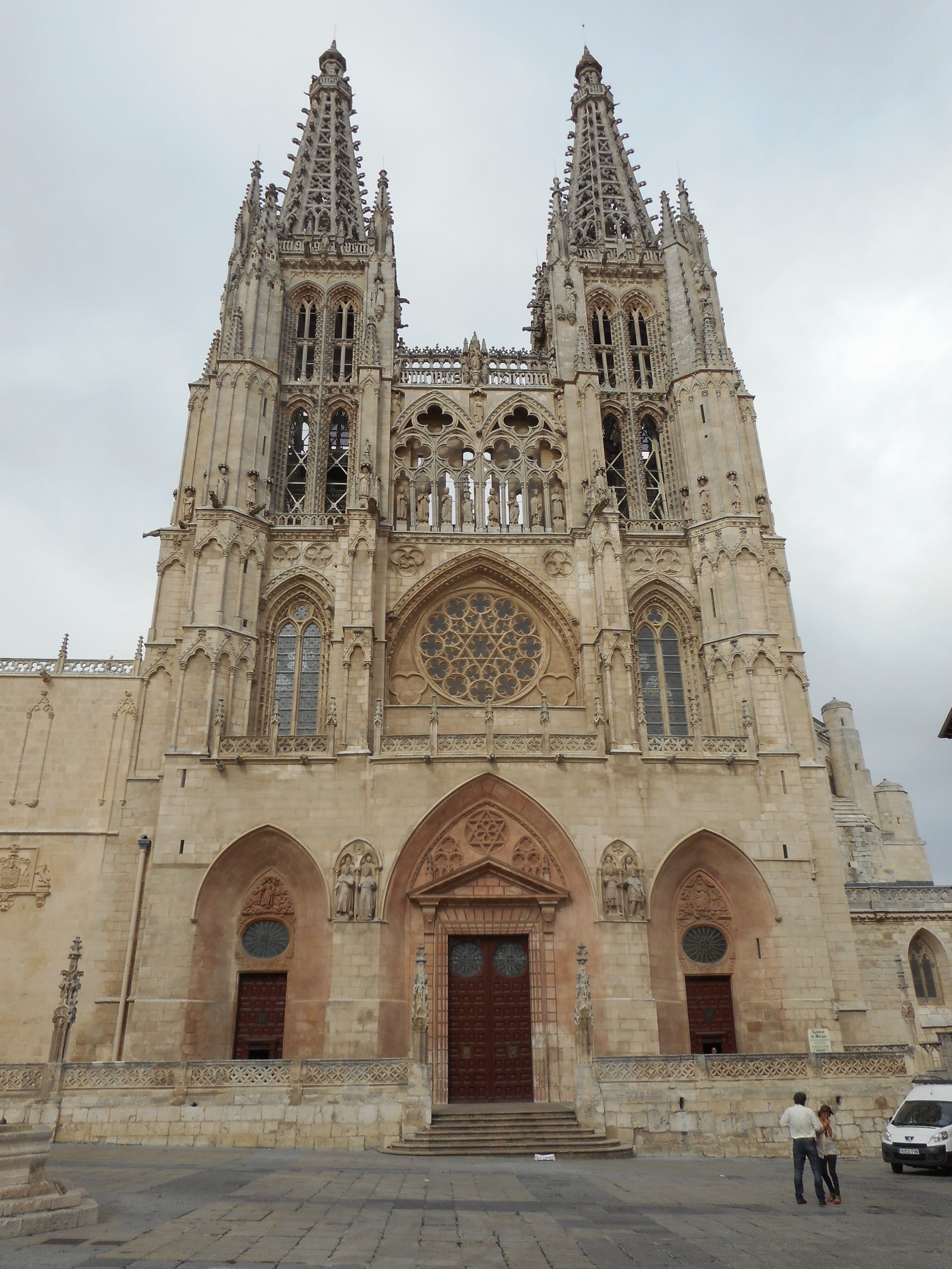
We passed by a monumental statue to the Spanish national hero, El Cid, and eventually made our way to the spectacular Burgos Cathedral. This cathedral is the second largest in Spain (after the cathedral in Seville) and was built in the 13th century. It is one of the most beautiful of Spain’s many cathedrals and has been designated a World Heritage Site by UNESCO. The municipal albergue was located just to the rear of the cathedral and we checked in for the night. This is a large and modern albergue (150 beds) with all the modern amenities – even elevators between the floors! The only amenity that was curiously missing was a place to hang up freshly washed clothes to dry. We had a place to wash the clothes but no place to dry them. Very curious! I’m glad we discovered this before we did our washing chore for the day and had a pile of wet clothes.

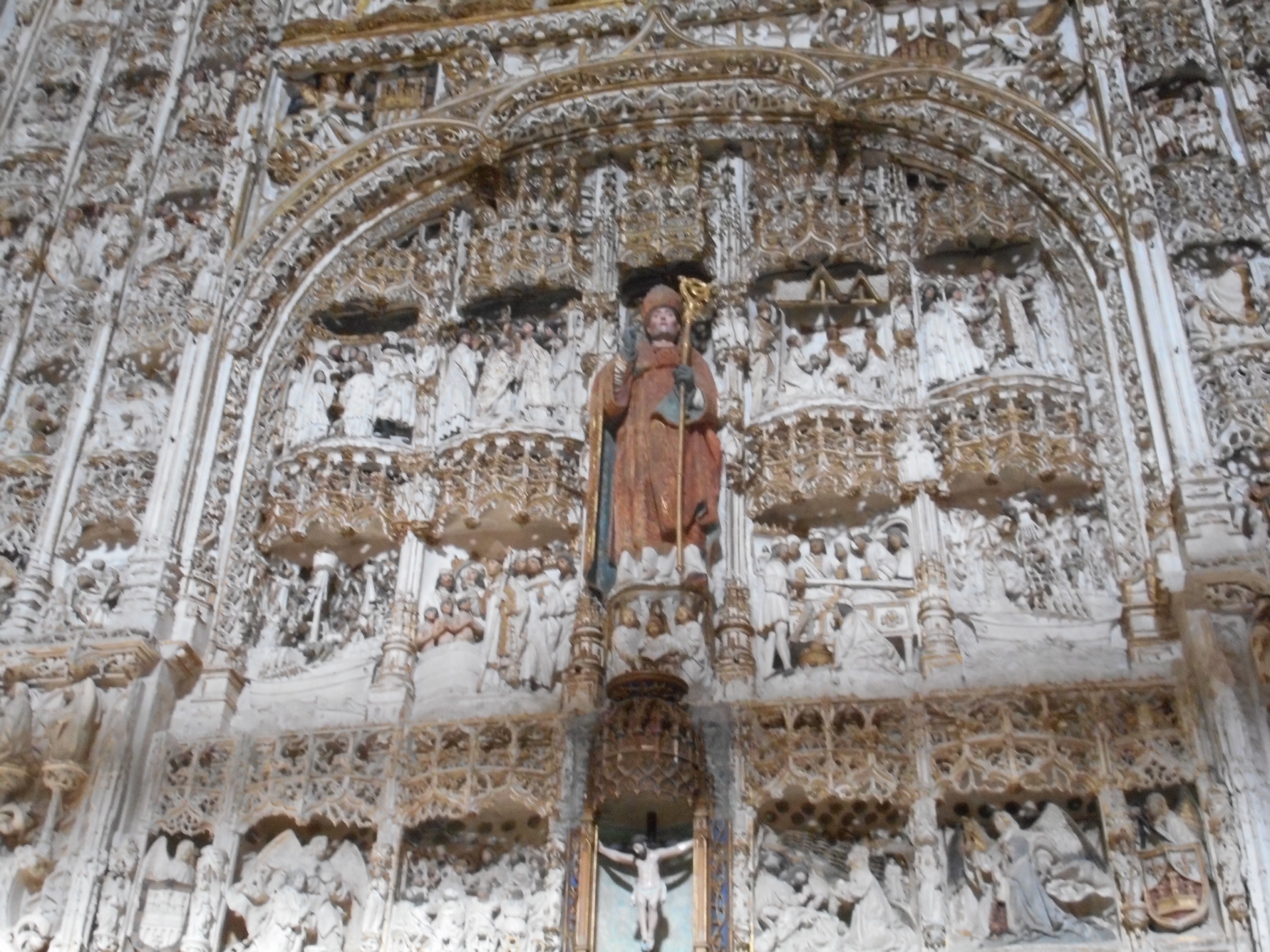
imageAfter getting settled in and finishing our daily chores we ventured out to visit the cathedral. On the way we stopped at the adjacent 15th century Church of St. Nicholas which has a magnificent altarpiece carved entirely out of stone – very unusual and very beautiful.

However, our main destination was the cathedral. After paying a modest entrance fee we received audio guide players and began our tour. To say that this cathedral is magnificent just doesn’t do it justice. This is a building with countless jaw-dropping art masterpieces and 21 separate chapels – each one a masterpiece in itself. At the transept crossing, underneath a huge star lantern at the heart of the cathedral is the tomb of El Cid himself and his wife, Jimena. The rest of the cathedral is filled with religious art and artifacts, almost to the point of sensory overload. It’s almost too much to take in at one time, but it is not a site to be missed. Tomorrow we head on back into the countryside with a somewhat shorter route with our destination of Hornillas del Camino and a walk through the Meseta.

Here are just a couple of photos from the cathedral. There were just too many to include more here. I will be happy to share more upon my return to San Diego.

image
image

St. James (Santiago) as The Moor Slayer (Matamoros)

St. James (Santiago) as The Moor Slayer (Matamoros)

¡Buen Camino!
Posted in Uncategorized | Leave a comment

Another Camino Grace…

imageI experienced another Camino grace while staying at the albergue in San Juan de Ortega. This albergue is located in a tiny hamlet. My guidebook says that the population is only 20. I suspect it is a little higher – but, not much. The hamlet was originally established in the wilderness by San Juan in 1150 to provide services for pilgrims on their way to Santiago. The church has been providing food, comfort, and shelter to pilgrims ever since. The albergue is located next to the lovely church and a pilgrim mass is offered every day. For a number of reasons, I am not always able to attend the pilgrim masses, but tonight I decided to attend the service. However, the special grace I received came after the service.

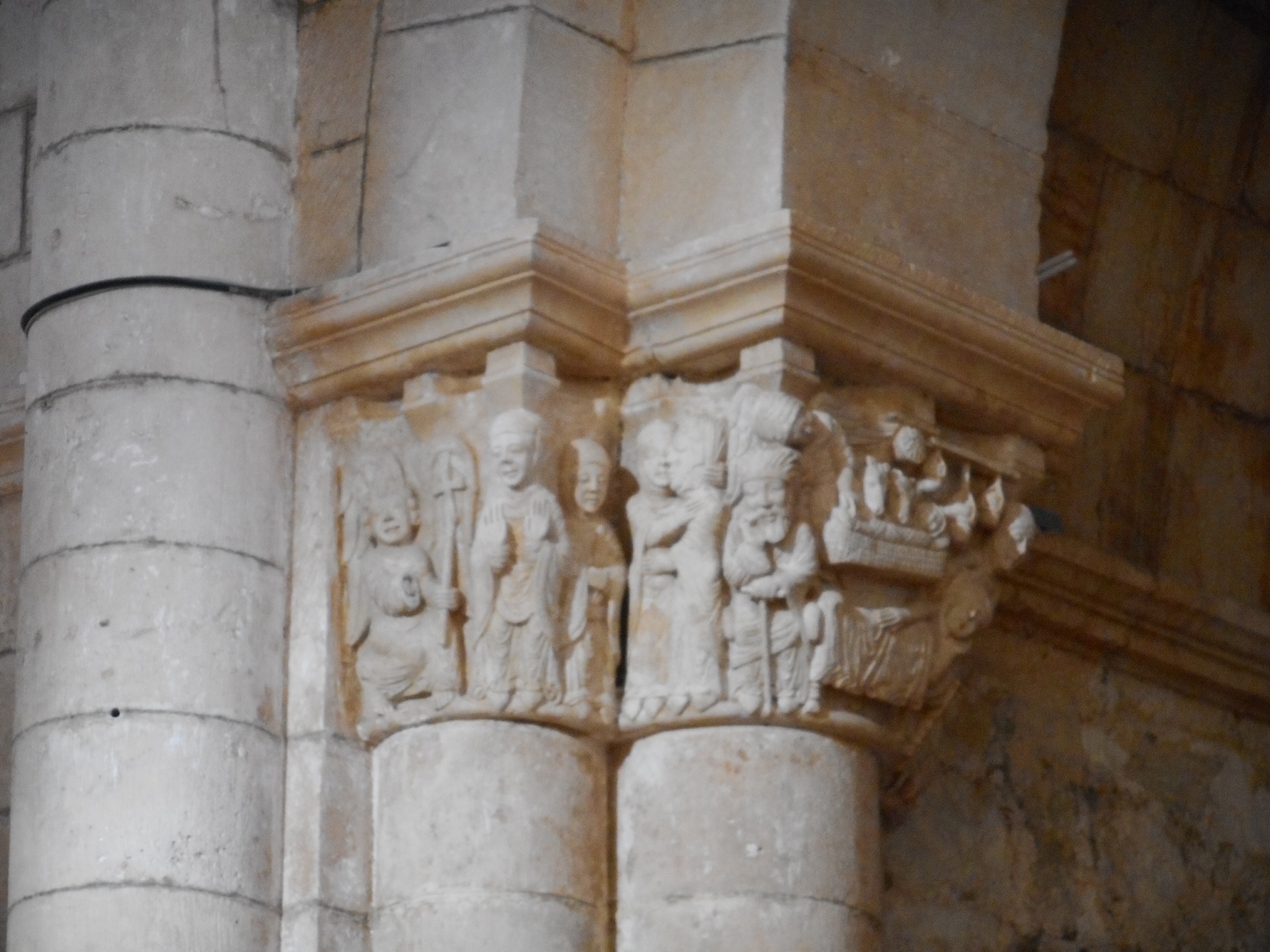
imageAtop the many columns within the church’s interior are carved stone reliefs with various religious motifs. One of them shows the annunciation of the Virgin Mary. This particular carving is placed in a location where a special phenomenon occurs only twice a year – on the vernal equinox (March 21) and on the autumnal equinox (September 21). On those days alone, the setting sun shines through a window and briefly illuminates the Virgin. As a Camino grace, my stay at this location happened to be on Sept. 21 – the autumnal equinox. It was an interesting coincidence. And after awhile, these occurrences start to seem more than random coincidence. These are gifts or graces from the Camino.

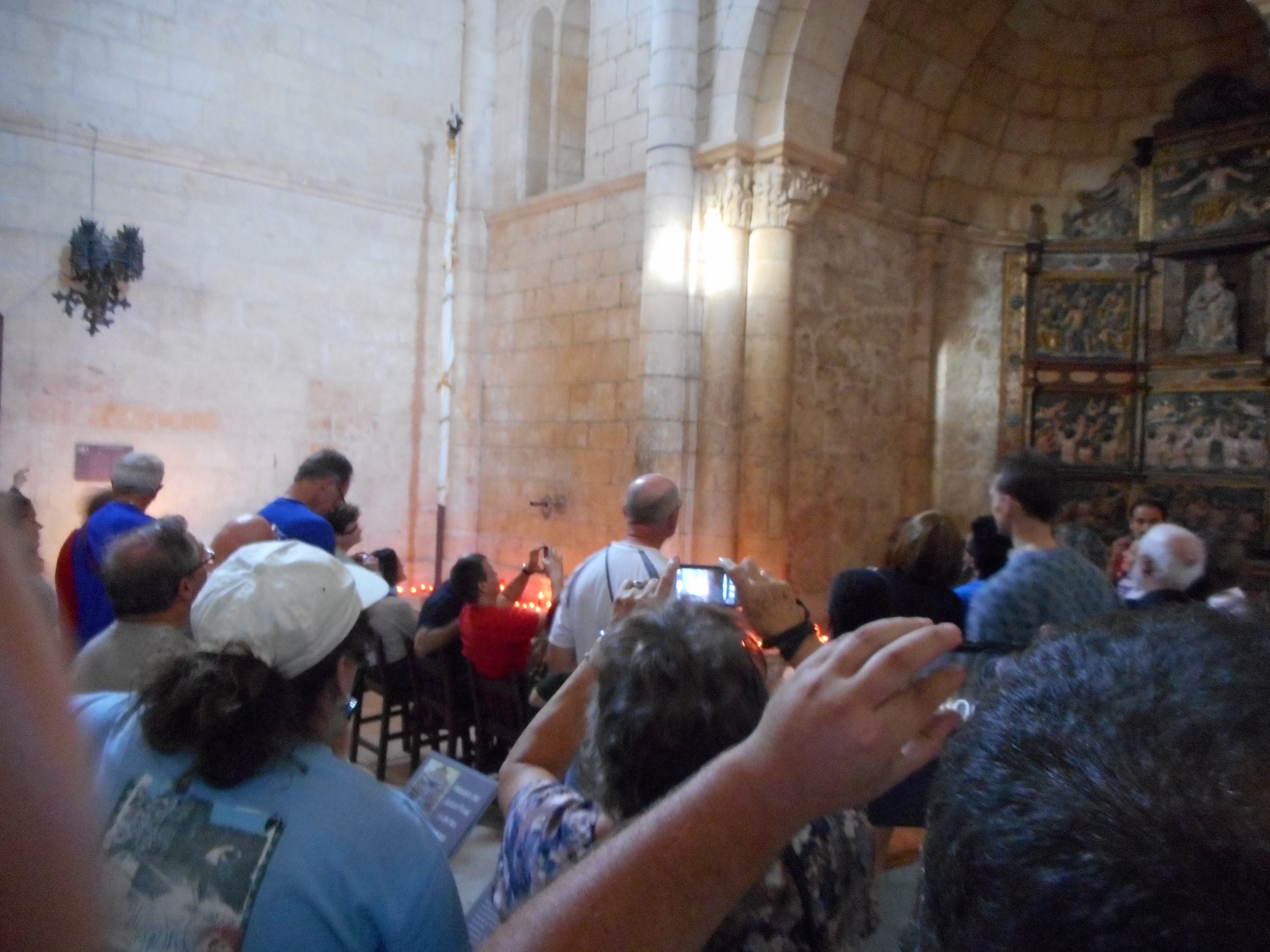
imageSo, after the service, a group of peregrinos along with many of the local townsfolk, stayed behind and gathered in a small chapel where the column is located to witness this phenomenon. Even though the sun was obscured by clouds at the last minute, we did see the Virgin clearly illuminated (at least her feet were illuminated.) It was a special moment that won’t happen again until next spring.

image

By the way, I might add that when we can attend the pilgrim masses we are made to feel special. Throughout the service we can hear references to pilgrims and we look forward to receiving a special blessing from the priest at the end of each service. Even though the service is entirely in Spanish, we can follow along fairly easily and our ears perk up when, during the final blessing, we hear the priest blessing the “peregrinos” going to “Santiago de Compostela.” As I mentioned in an earlier posting, pilgrims temporarily give up their former identities and assume the new identity as a peregrino while on the Camino. And, it is an identity we are very pleased to have assumed.

Posted in Uncategorized | Leave a comment