Najera to St. Juan de Ortega (Days 12, 13, and 14 on the Camino)

Note: Sorry for the gap between postings. For the past few days I have not had a good enough Internet connection to update the blog. I have been able to receive and send emails, but there hasn’t been enough bandwidth and speed to let me upload photos. Hopefully I will be able to get caught up a bit today since I have a very good connection here in Castrogeriz.

**************************
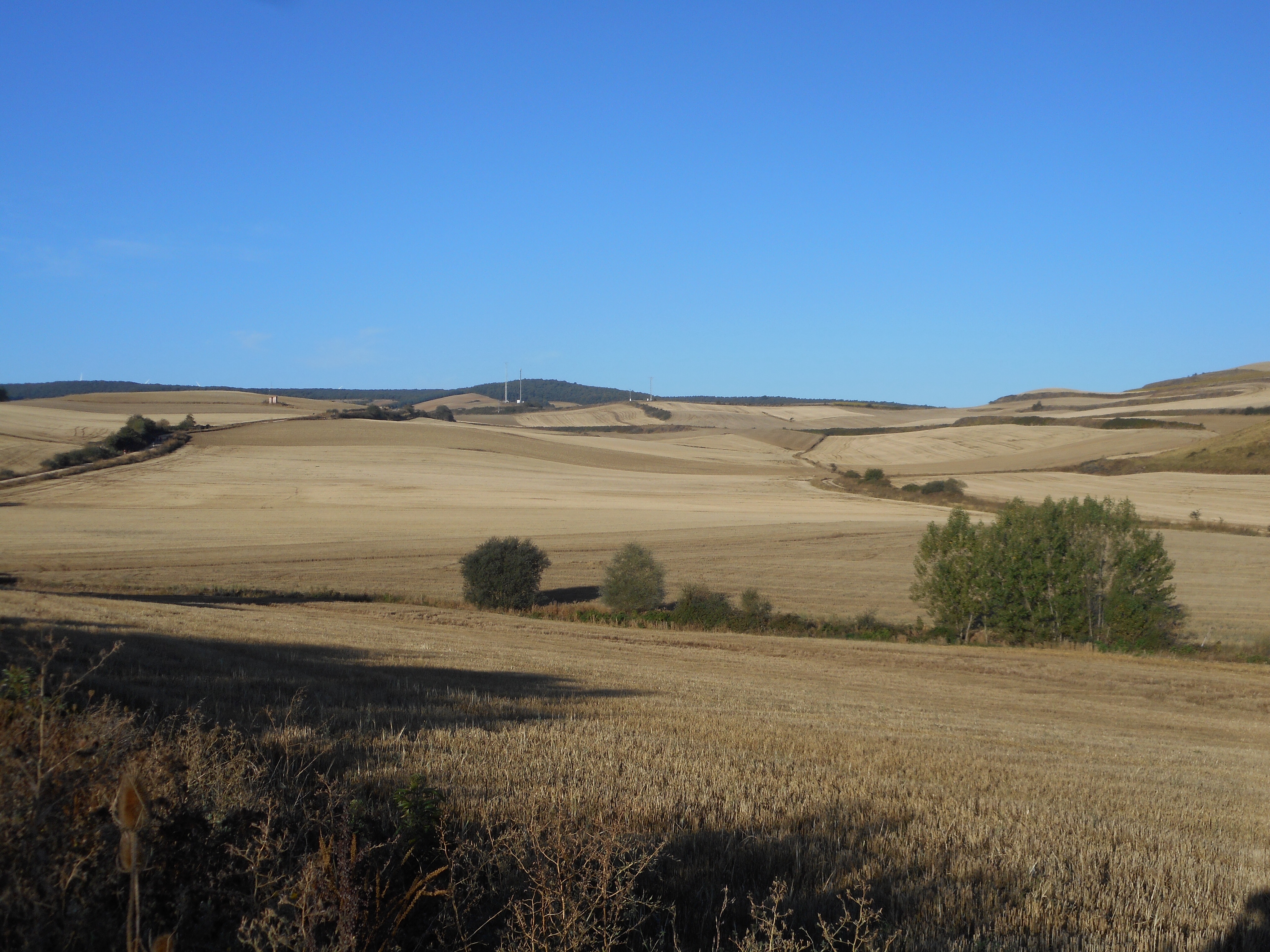
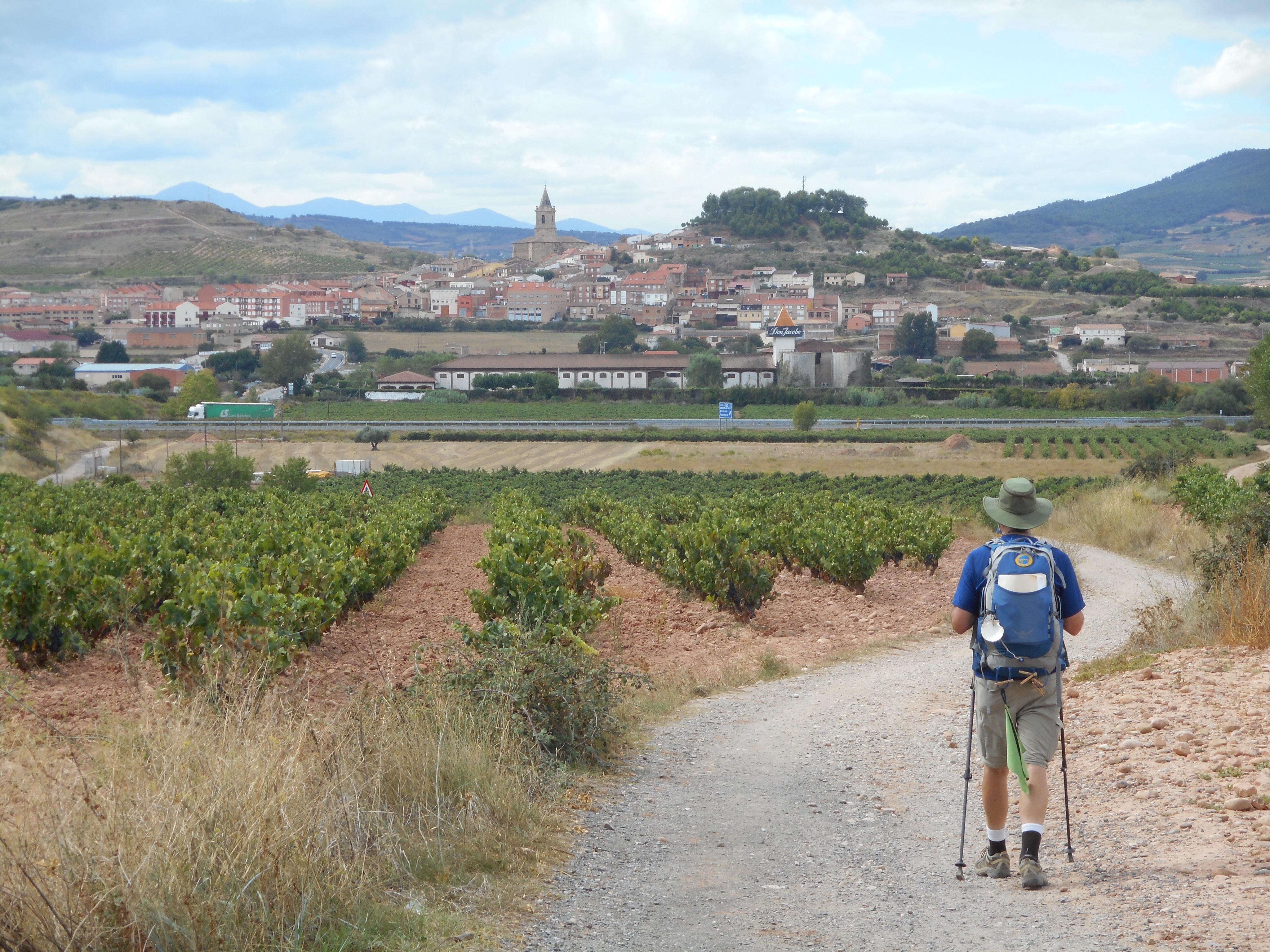
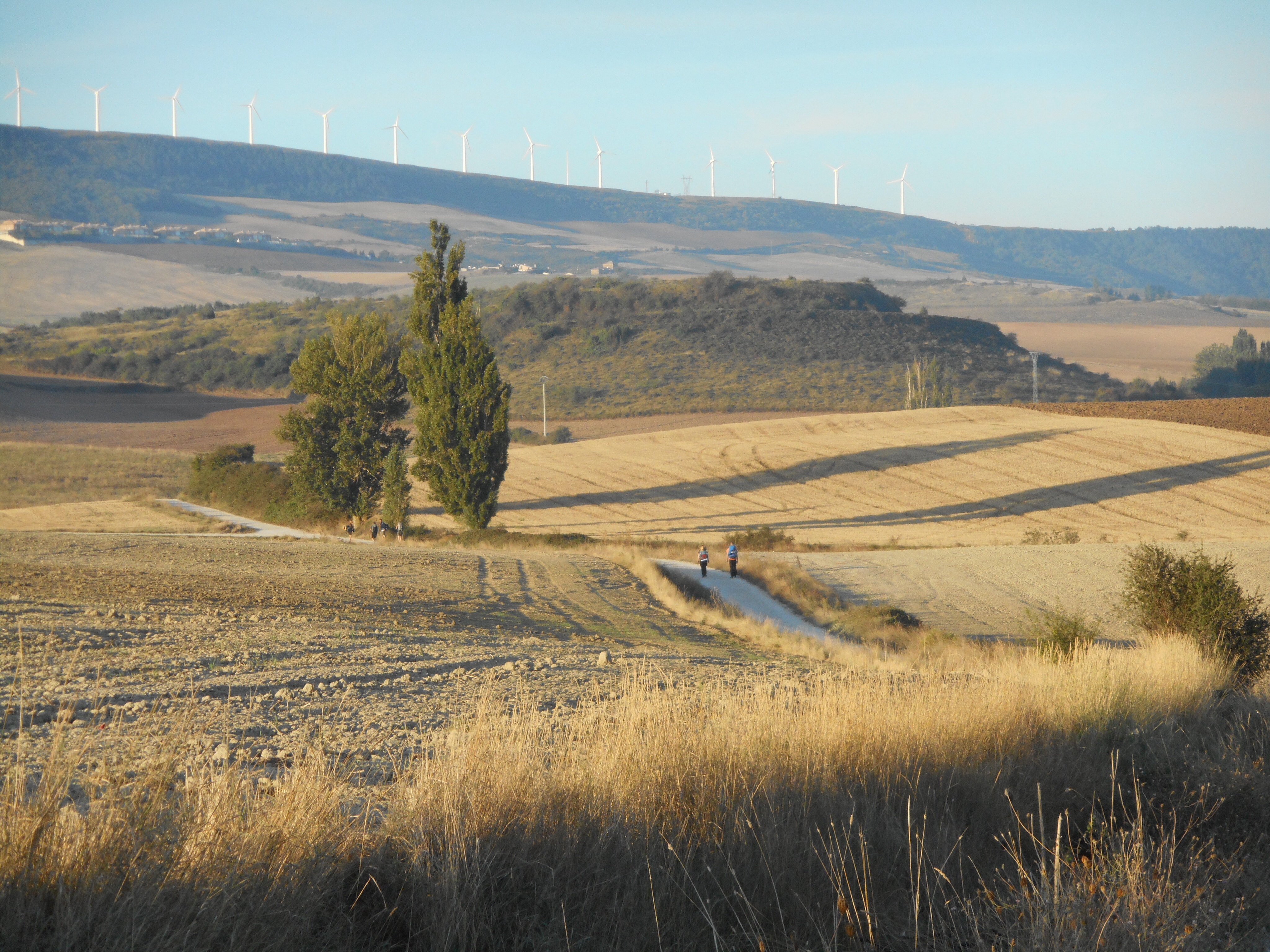
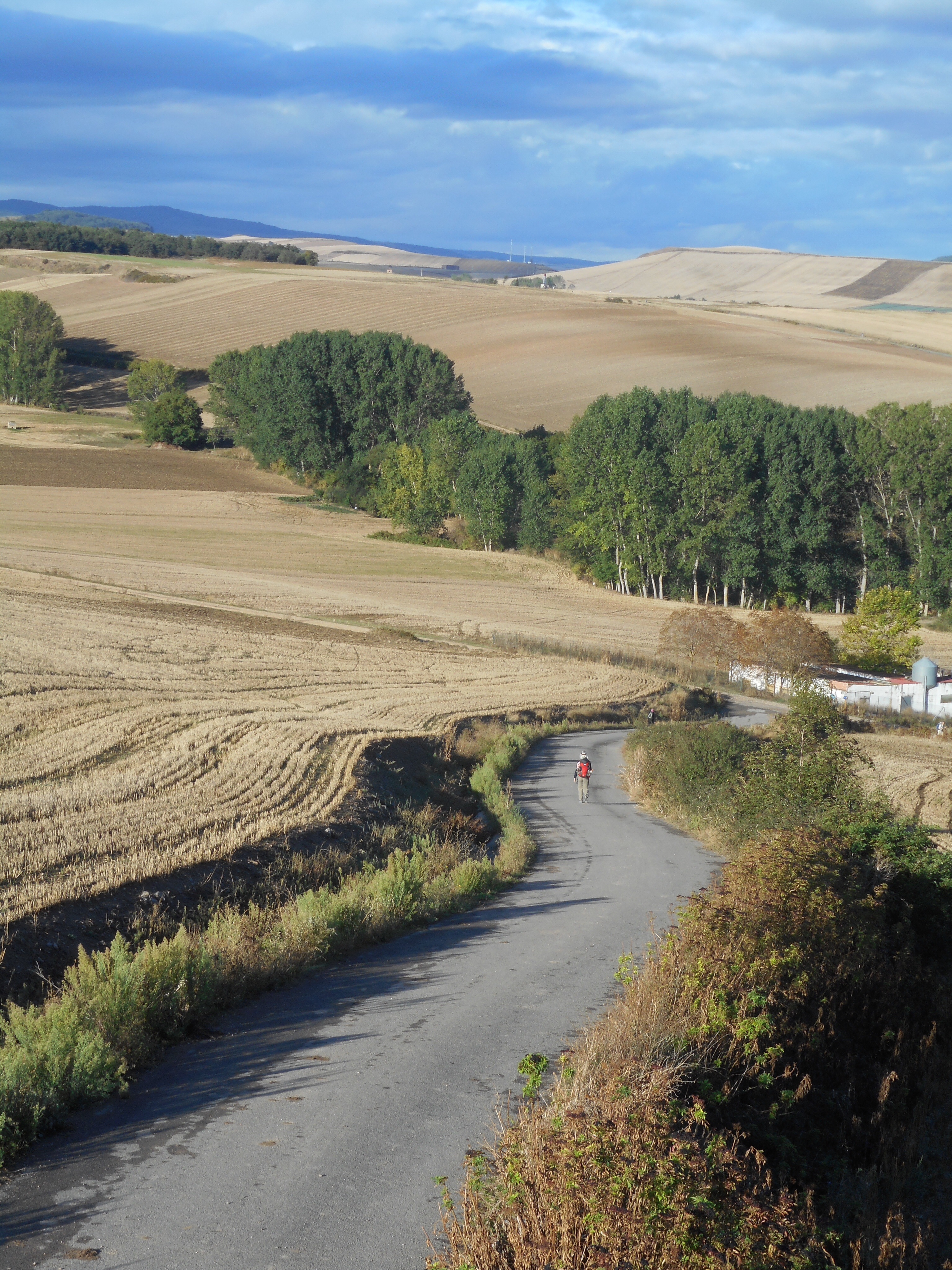
imageToday marks two full weeks that Clint and I have been on the Camino. So far, we have covered 262km (about 165 miles). We have now moved out of the province of La Rioja and into one of Spain’s largest provinces – Castilla y Leon. The miles and miles of vineyards have given way to immense rolling fields of wheat, barley, and oats. Today we also encountered some fairly large hills (almost 1000 feet elevation gain) which reminded me a bit of our time in the Pyrenees mountains. But we also had quite a bit of shade, especially in the upper elevations, and the temperature was not as hot as it has been in recent days.

Following up on yesterday’s post on daily life, I would point out that our trek today covered 24.3 km (15.1 miles.) By doing some quick math I was able to come to an interesting conclusion. We know that 24.3 km is 24,300 meters. The length of our standard walking pace is a bit less than a meter (especially when going upward). So, I think it is a safe assumption that we took around 25,000 to 30,000 steps today! Not that anyone’s counting.

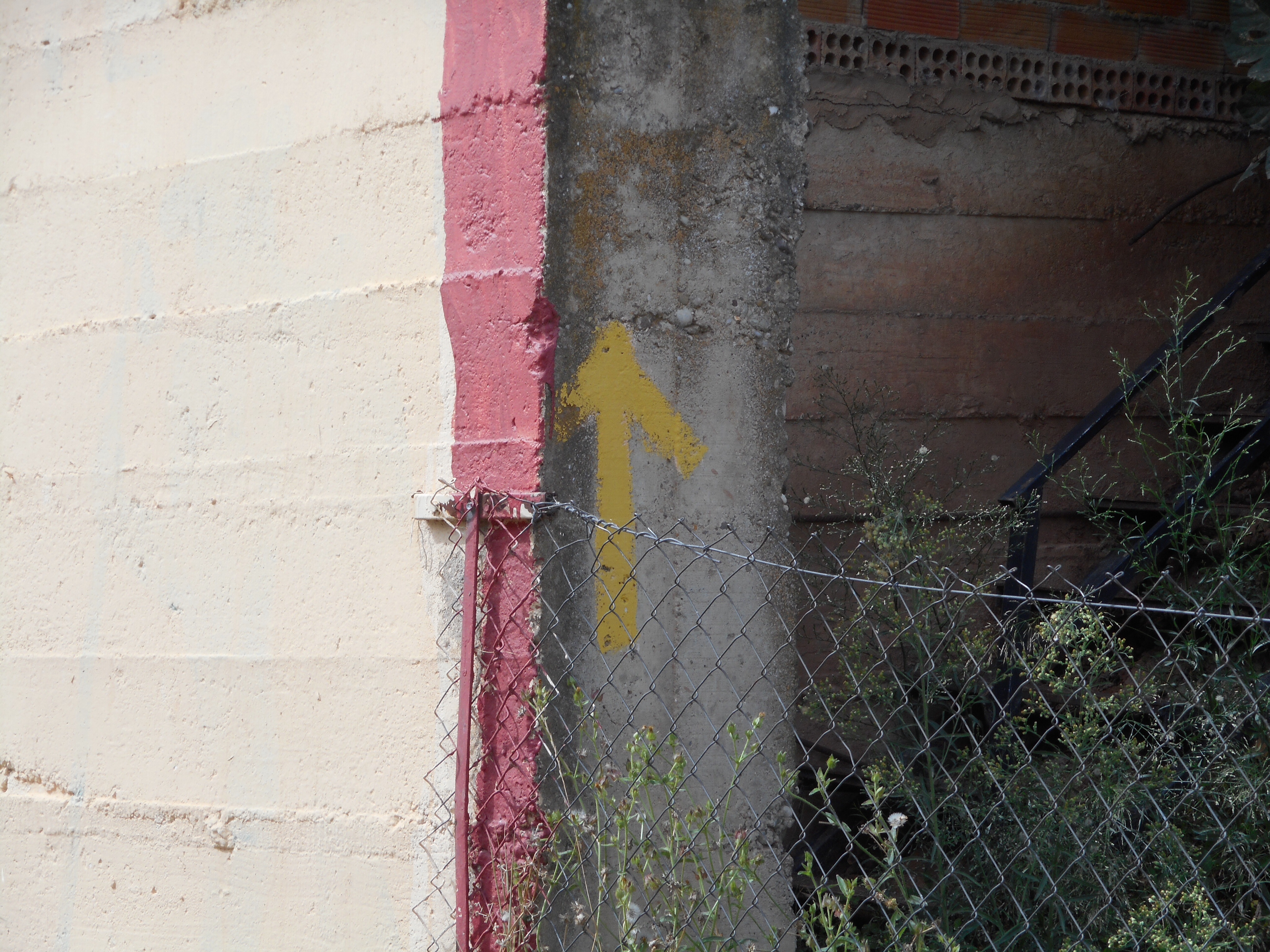
imageTwo days ago, on Friday, we got lost for the first time. But as with much on the Camino, we were not alone. Like a bunch of lemmings we had just followed the crowd and within a mile or so we all realized that we were no longer on the Camino. As a group, we figured out where we went wrong and changed direction to find our way back onto the correct path. In all, we only drifted about a half mile off course. But, the interesting thing for me was the number of us that made the same mistake. At the moment we realized what was happening, I counted 24 other pilgrims – lost like us – within about a span of 100 yards! We are definitely not hiking the Camino alone! It was a happy moment as we started seeing those yellow arrows again. We have now learned that you do not make a turn, regardless of who may already be doing it, unless you can see that arrow.

imageThe path toward our destination for the day, Santo Domingo de Calzada, wended its way among vineyard after vineyard. At an intermediary town, Ciruena, we passed an eerily spooky site. Apparently developers had decided this would be a great place to build a planned city. So, several blocks of apartment buildings, open grassy park areas, and wide streets were constructed. The only problem was that due to the economic situation in Spain, no one could afford to purchase the homes. So, what remains is a very pretty few blocks of totally empty homes and no cars on the street. It looked like a strange movie set waiting for the actors to arrive. Very strange.

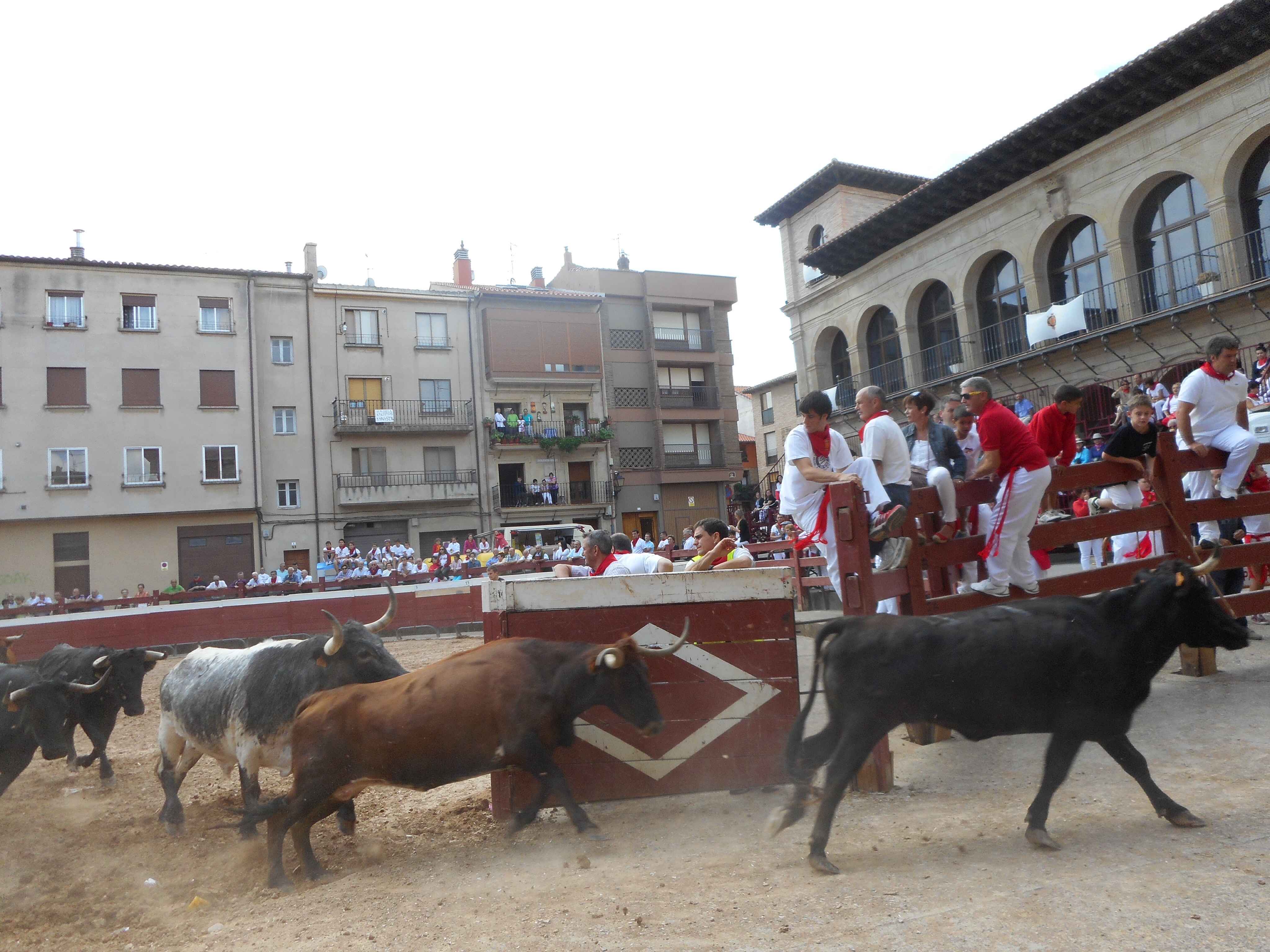
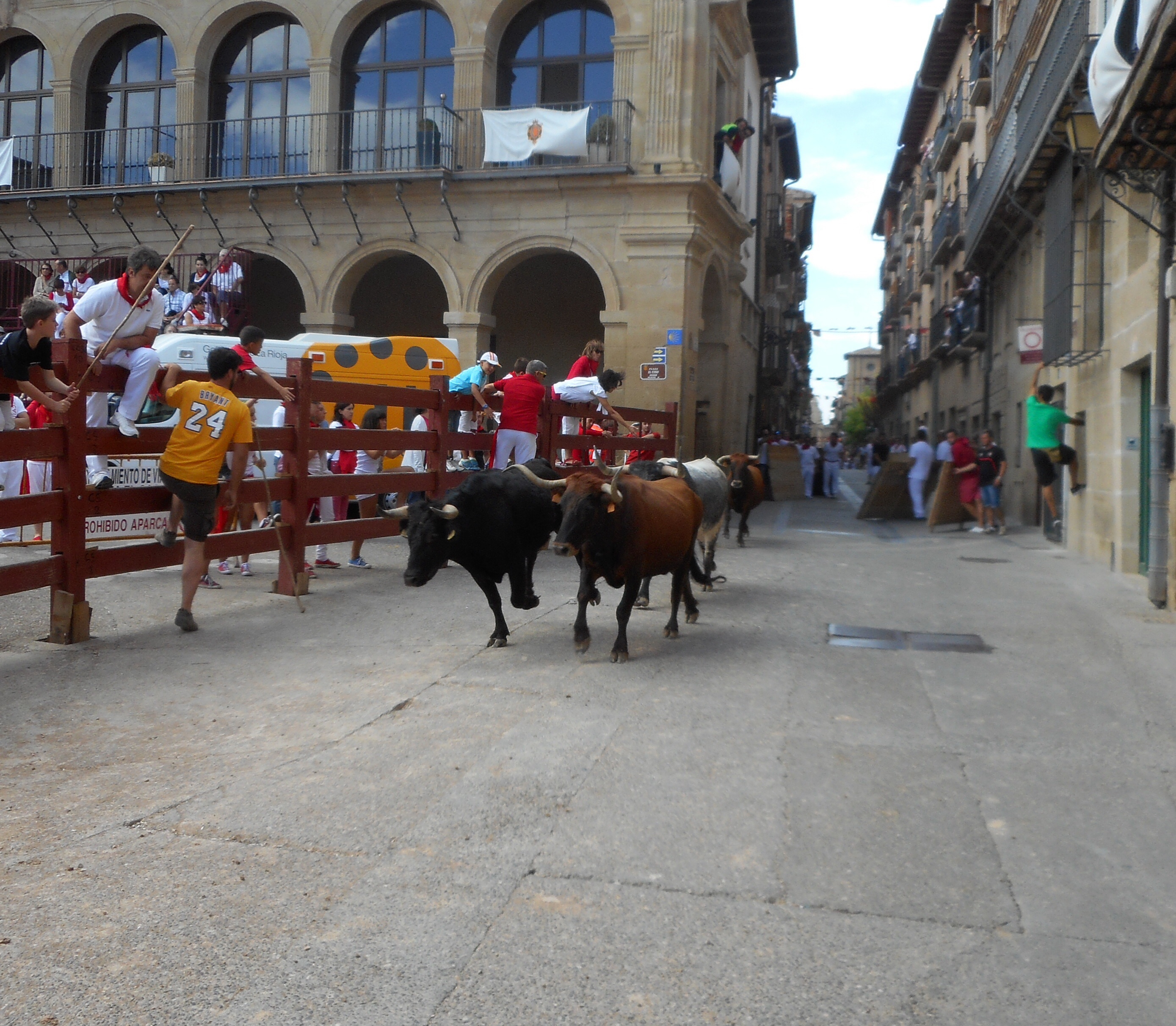
imageIn Santo Domingo I climbed the Cathedral’s bell tower and then toured the amazing collection of religious art maintained by the Cathedral. One item especially caught my attention. It was a portrait of San Diego de Alcala, the saint from whom the city of San Diego gets its name. But the real treat for the day – another Camino grace, I suppose, was the happy coincidence that this city was also celebrating a festival and that there would be another running of the bulls! This was the second time in two days we have seen this. In fact, this time one of the pilgrims hiking with us chose to climb the fence and run with them. He came real close to getting hurt when he slipped while trying to evade a charging bull and got butted but not gored, thank goodness! It was all very exciting and a good time was had by all.

image

San Diego de Alcala

San Diego de Alcala

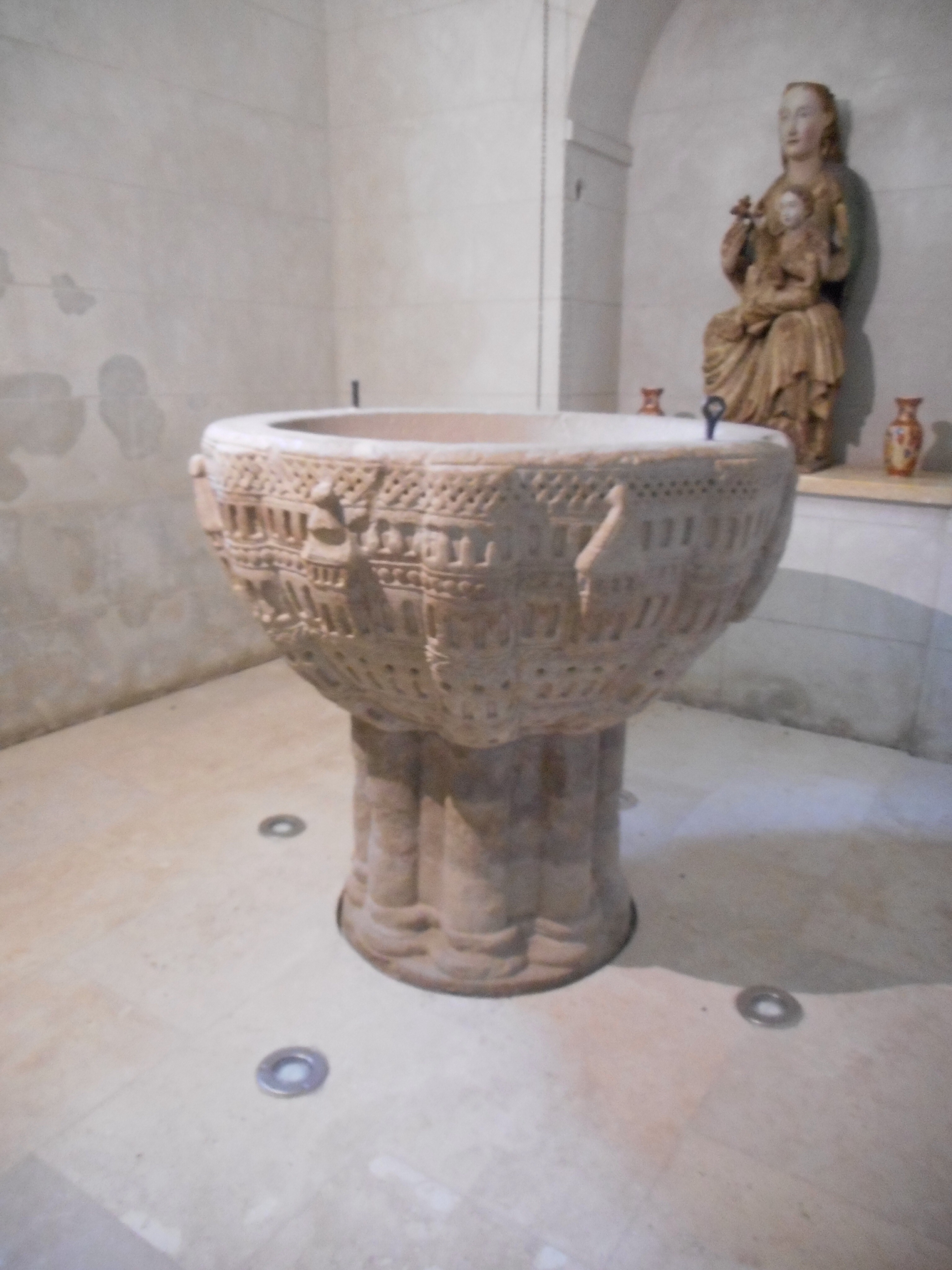
imageYesterday we travelled to the city of Belorado. During the day we entered Castilla y Leon and bade farewell to the vineyards. There was not much to report from the day. Much of the route ran alongside a busy highway and we missed the quiet rural paths from recent days. Perhaps the highlight of the day was found in a small village church in the town of Redecilla del Camino. Within the church was a fine example of a 12th baptismal font – one of the finest in Spain – and, it is still in use today.
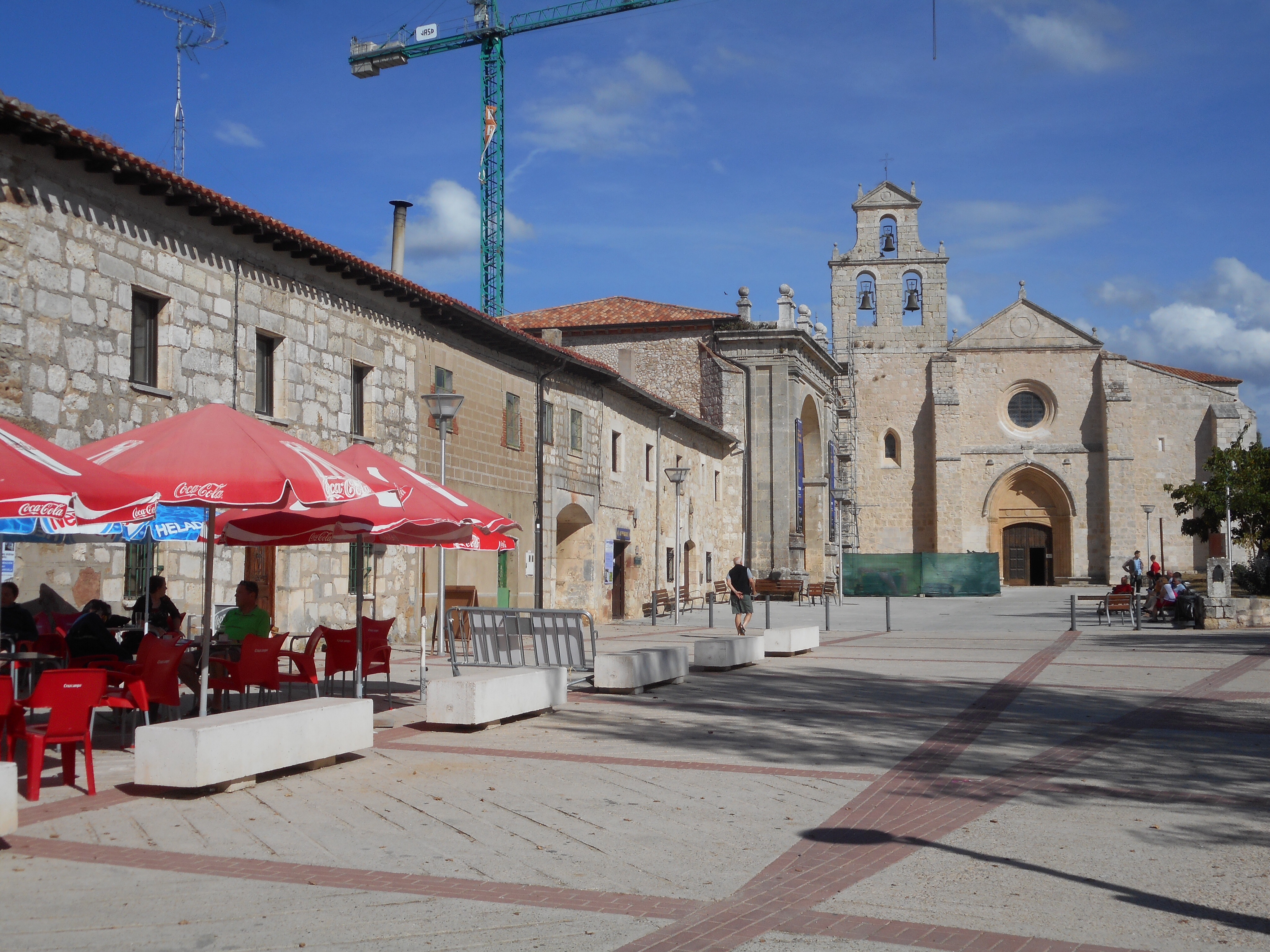
imageToday we had one of our longer days, hiking 24.3 km (15.1 miles) to the tiny village of St. Juan de Ortega, which has been a pilgrim hostel location since medieval times. We had a few pretty good hills to climb, but arrived around 2:00 pm and checked into the albergue operated by the local parish. Tonight we are planning on attending the pilgrim mass. Traditionally, the mass is followed by bread and garlic soup which is served to all of the pilgrims in attendance. This place is a nice, quiet change from albergues we have been staying in located in busy towns. Tomorrow we head off to the city of Burgos (population of 170,000). It will be another long day, but we are happy to be making progress toward Santiago – only 526 km away!

¡Buen Camino!
Posted in Uncategorized | Leave a comment

Life on the Camino…

imageOur days are beginning to blend in to one another. The daily routine sometimes seems to take away from the other blessings that we continue to receive on the Camino. We continue to see beautiful scenery, interact with beautiful people, and experience the Camino graces. But, it all occurs within the context of our daily needs and physical concerns. There are things that we need to do and preparations that have to be met without fail or we fall behind. So, I thought I’d spend a little time describing what our daily routine has settled into. In other posts I’ve written about the wonders and graces we encounter every day, but there are also the much less glamorous and mundane aspects of the Camino that I thought I’d share today.

Our days start around 6:00 am (give or take) when other pilgrims in the albergue start to stir and prepare themselves for an early start. In some albergues (particularly the municipal albergues) the lights might actually be turned on at six. So, generally we begin our mornings at that time, too. In albergues where others are still sleeping, this packing may be done in the dark, perhaps using light from our hikers headlamps. Our packs are made ready for the day and we make our way out to the common area (often the kitchen/dining room), greet other early risers, apply sunscreen, and start preparing our feet for the Camino (one of the most important tasks of the day.) For me, this involves applying a thin coat of petroleum jelly (Vaseline) to prevent rubbing or chafing, then donning thin liner socks and wool hiking socks. This might sound a little strange, but it seems to work. We are 13 days into our pilgrimage and still don’t have any blisters! Others are suffering terribly. Then we are ready to put on our boots, saddle up with our packs, and head out onto the Camino – often while it is still dark and often before 7:00 am.

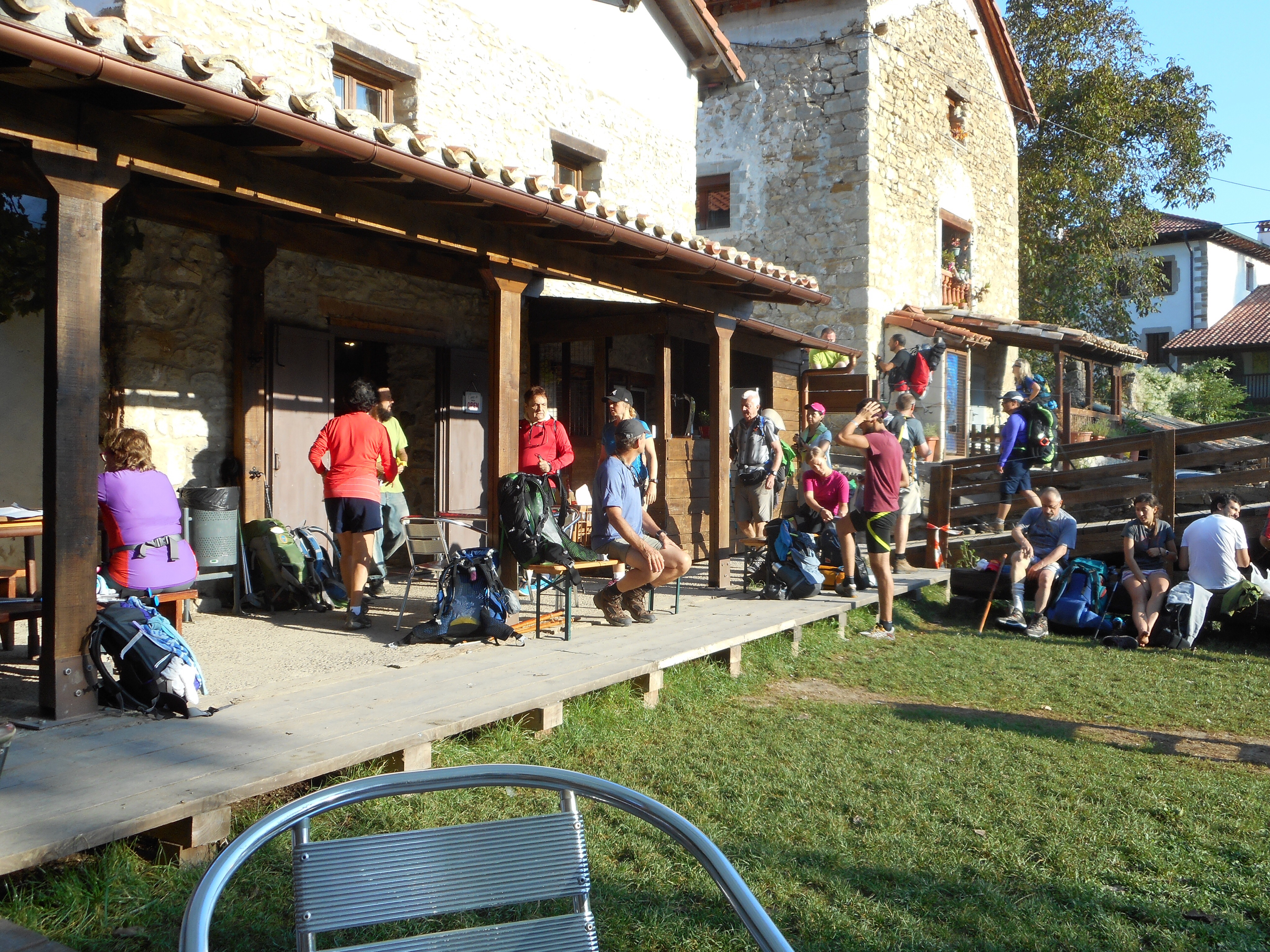
imageWe typically walk for an hour or so to the next town on the way. During this time it is delightfully cool and we often are treated to magnificent sunrises. In the first town, we can quickly spot the one of two cafés that are open and serving desayuno (breakfast). They are the ones with backpacks out front and pilgrims scattered about. Here we stop for breakfast which usually is quite light, consisting of cafe con leche (coffee with milk), toast with jelly or tostada de potata (not like a Mexican tortilla, but more like an omelet with potatoes), and maybe some orange juice – all for about 3 euros. If we can find a market open at this hour we will buy some provisions for lunch (fruit, juice, a sandwich, or the like). Then we are back on the Camino, hiking for the next few hours.

Sometime before noon we usually look for a place with shade where we can rest, take off our packs, boots and socks, and have our lunch. Cooling our feet during this time is very refreshing. Then we hike for another few hours until we reach our destination for the day. By this time the sun is up and beating down mercilessly on us. The Camino often has no shade available and we get very hot and sweaty. The packs begin to weigh down on us. Every step is magnified in our imagination. Our minds begin to ask questions about why we are even doing this. It often requires an effort of mind over matter to just…keep…going. There is a lot of graffiti on the trail and one I liked captured the spirit of this feeling. It read as follows: “Walk as far as you can, and then take another step.”

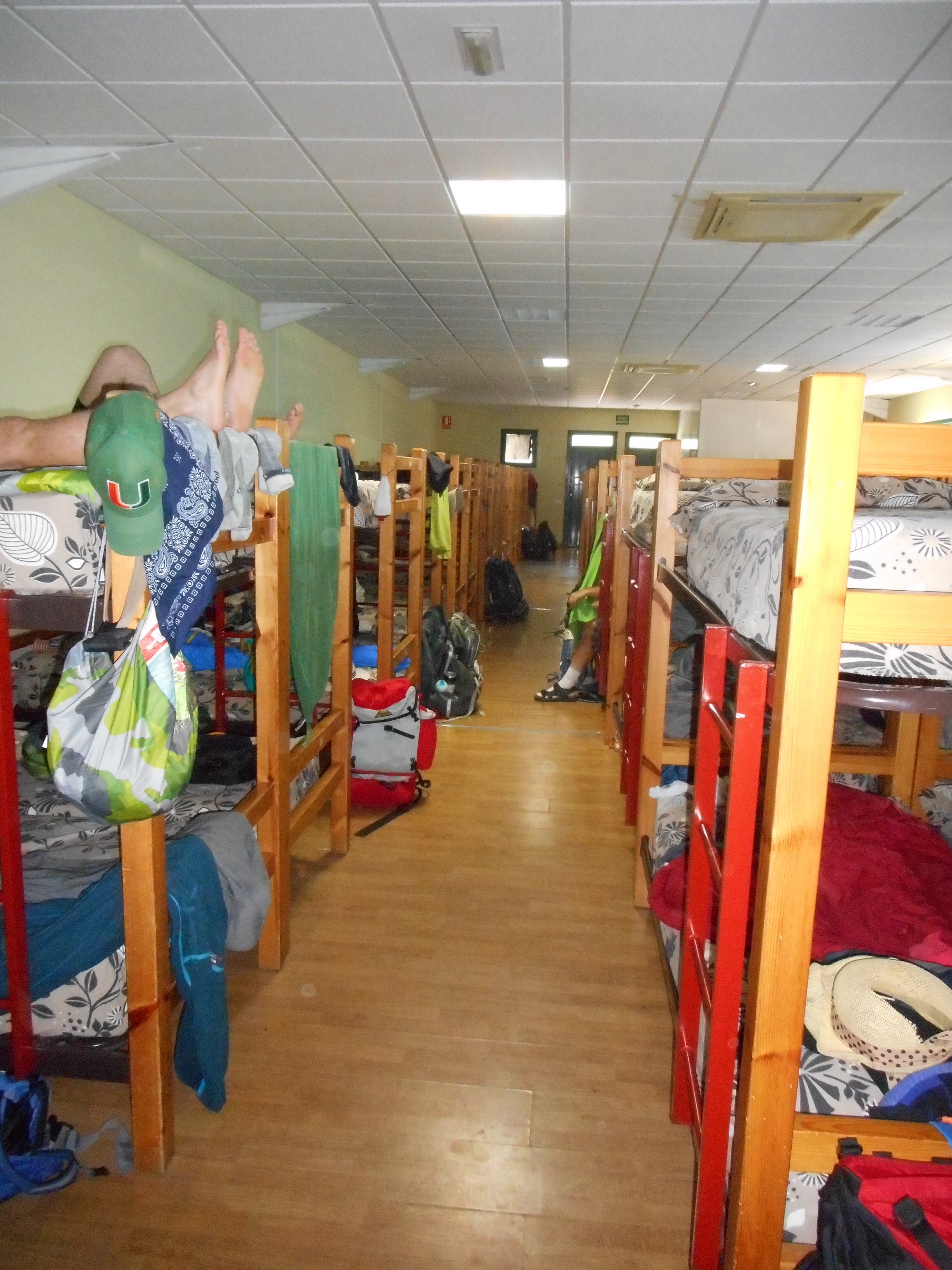
Eventually we reach our destination for the day and check into an albergue. Our guidebook lists all the albergues on the Camino, including information about the total number of beds available, the number of rooms containing the beds, and the price. It also tells us if the albergue is a municipal facility, one run by a church or monastery, or a private facility. The municipal and church-associated albergues do not take reservations, but we have discovered that the private albergues do. So, on occasion we have called ahead to make a reservation. This is sometimes critical since we walk at a slower pace than most other pilgrims and the rule is usually first come, first served. So, if you don’t arrive in time, there may not be any more beds available. This can be a problem since it turns the Camino into a kind of race to see who can get there before the others, which is not really in keeping with the spirit of the Camino, in my humble opinion. But, it is the reality of the situation and needs to be kept in mind. Every day we evaluate our options and act accordingly.

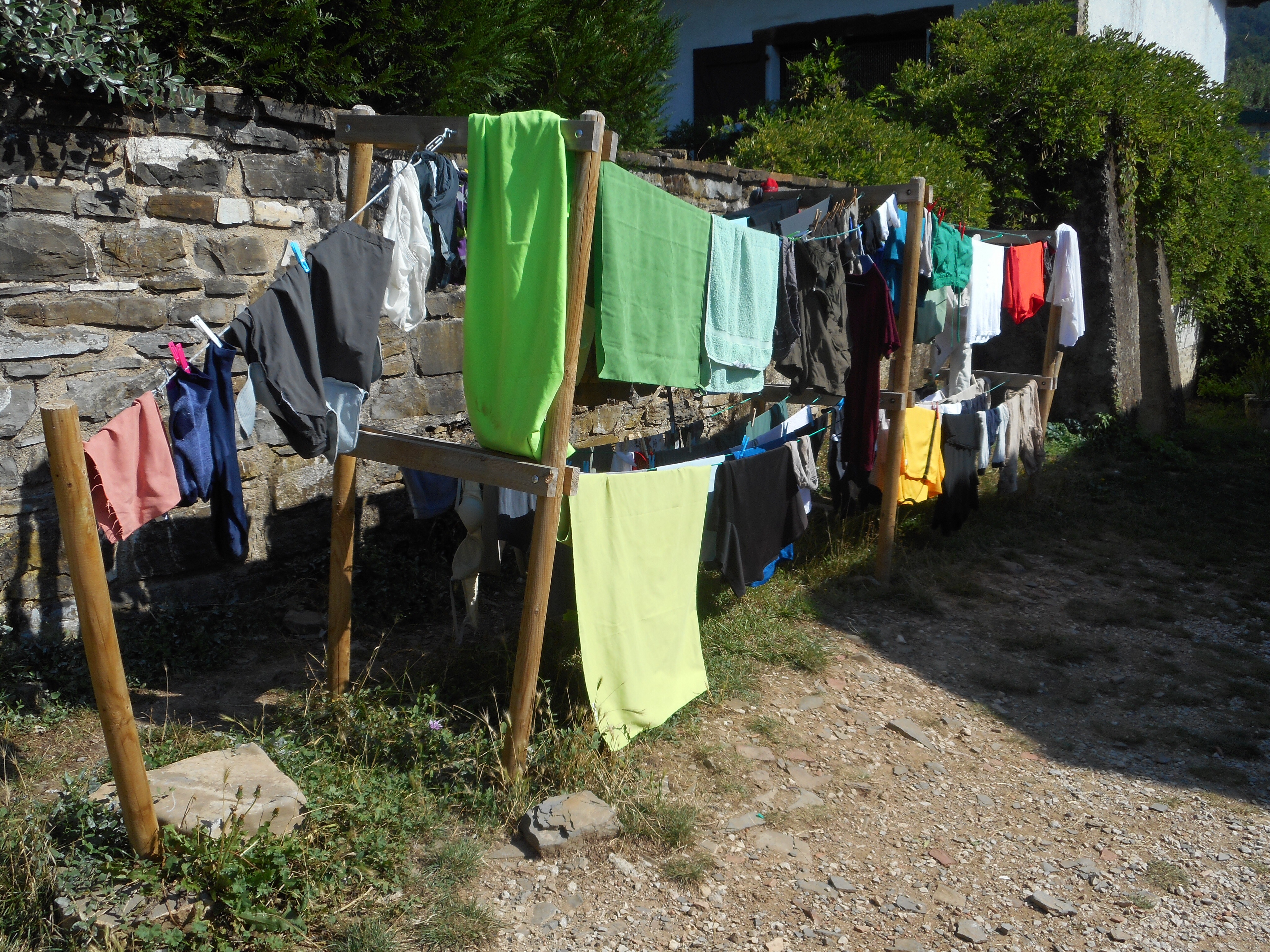
imageAfter checking into the albergue and getting our bed assignments we have some essential, end-of-day chores. First order of business is a shower – often in mixed gender bathrooms. There is always enough privacy to allow one to maintain his or her modesty, but you must accept that people in various stages of dress or undress will be in the room with you. You get over your inhibitions within a day or two. It’s just not an issue here and is part of daily life on the Camino. Look the other way if it bothers you. Next, we have to wash our sweaty clothes from the day. This is done by hand in tubs or sinks and the wash is then hung up on lines to dry (hopefully.) Next, we empty and then refill our backpack water bladders so they will be ready for the day’s trek.

imageAt this point – especially after the shower – you start to feel much better in body and in spirit. Some ibuprophen helps reduce the aches and pains acquired during the day’s march. But, this is the time of day when you can relax, wander about the town, maybe have a beer with tapas, and enjoy dinner. We look for restaurants serving “pilgrim menus” since the meals, although simple, have been remarkably good and are very inexpensive (usually only 10 to 12 euros.). Then, it is back to the albergue to retrieve your laundry from the line, maybe work on email or a blog if there is WiFi available, and prepare for sleep. Lights-out happens promptly at 10:00 pm and everyone is expected to be quiet and go to sleep – usually not a problem after what we have been through all day. Of course, the Camino is also famous for it’s snorers. So, that’s another issue you need to deal with. And, that’s what earplugs are for.

So, that’s the not-so-glamorous side to the Camino. But, even though it is hard, hot, dirty work, the rewards so far have immensely out-weighted the negatives. The routine is good and the physical demands have been good. I believe this is all part of what makes the Camino so special and worthwhile. I think that one day we will look back, perhaps even with some fondness, at the daily rituals and hardships that are part of every true pilgrim’s Camino.

Another happy peregrino!

Another happy peregrino!

¡Buen Camino!

Posted in Uncategorized | 2 Comments

Navarette and Najera (Days 10 and 11 on the Camino)

imageWe have now been on the Camino for 11 days and have travelled almost 200 kilometers. Still, no blisters – Praise God! The Camino continues to surprise us in so many unexpected ways. And, we are so grateful for these gifts (large and small) that come our way – what we have been referring to as “graces” from the Camino. The most recent one, reported on the other day, was the running of the bulls that we happened on in Viana the other day. But, the graces have not stopped. In fact, they seem to be a constant on the Camino so far. In this post I will be reporting on several new graces we have received since then.

The first grace was a small one, but so sweet and welcome. Yesterday morning after we left Viana we performed one of the traditional daily peregrino rituals by stopping for breakfast at a small cafe in the outskirts of Logrono. Breakfast usually consists of toast or tortilla de patata, cafe con leche, and maybe some fresh juice, if it is available. But, this morning as we finished our breakfasts and prepared to move along, the owner brought out a bag from under the counter and asked us if we would like some fruit. He had plums he had brought from home to share with the pilgrims. We gratefully accepted and later in the morning enjoyed these remarkable sweet, tree-ripe fruit. A simple but elegant grace.

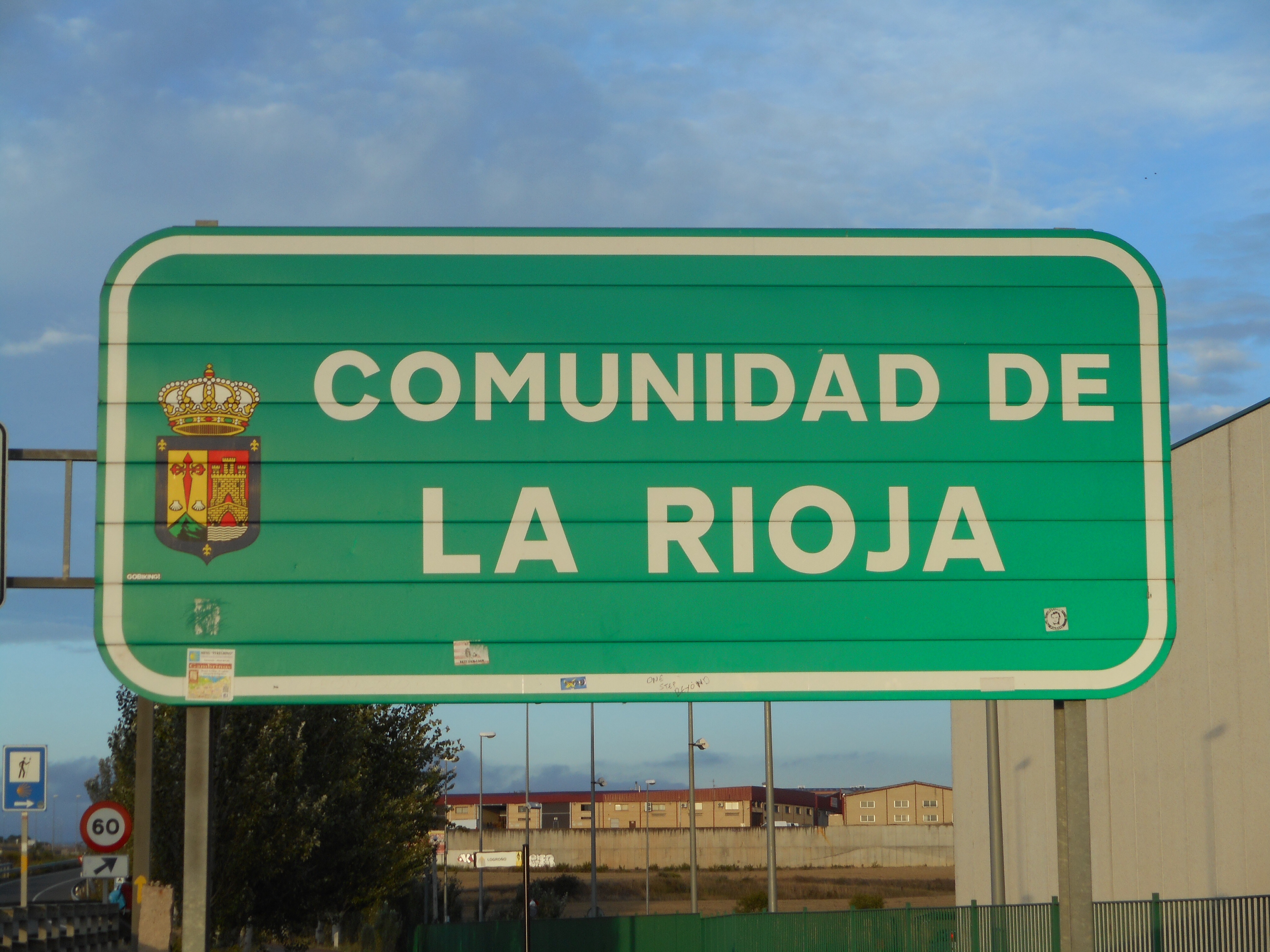
imageThis morning we entered the famous wine-producing region of Rioja. And since entering Rioja we have been walking almost exclusively among acres of vineyards except when we pass through a town of village. The wine industry is king in this area – the Napa Valley of Spain. The region is also noted for its friendly residents. As we passed through the city of Nogrono we were repeatedly greeted by the sounds of “Buen Camino,” and the townsfolk were very helpful when we appeared hesitant, to point out the way for us – a small but welcome grace from the Camino.

St. James, the Matamoros

St. James, the Matamoros

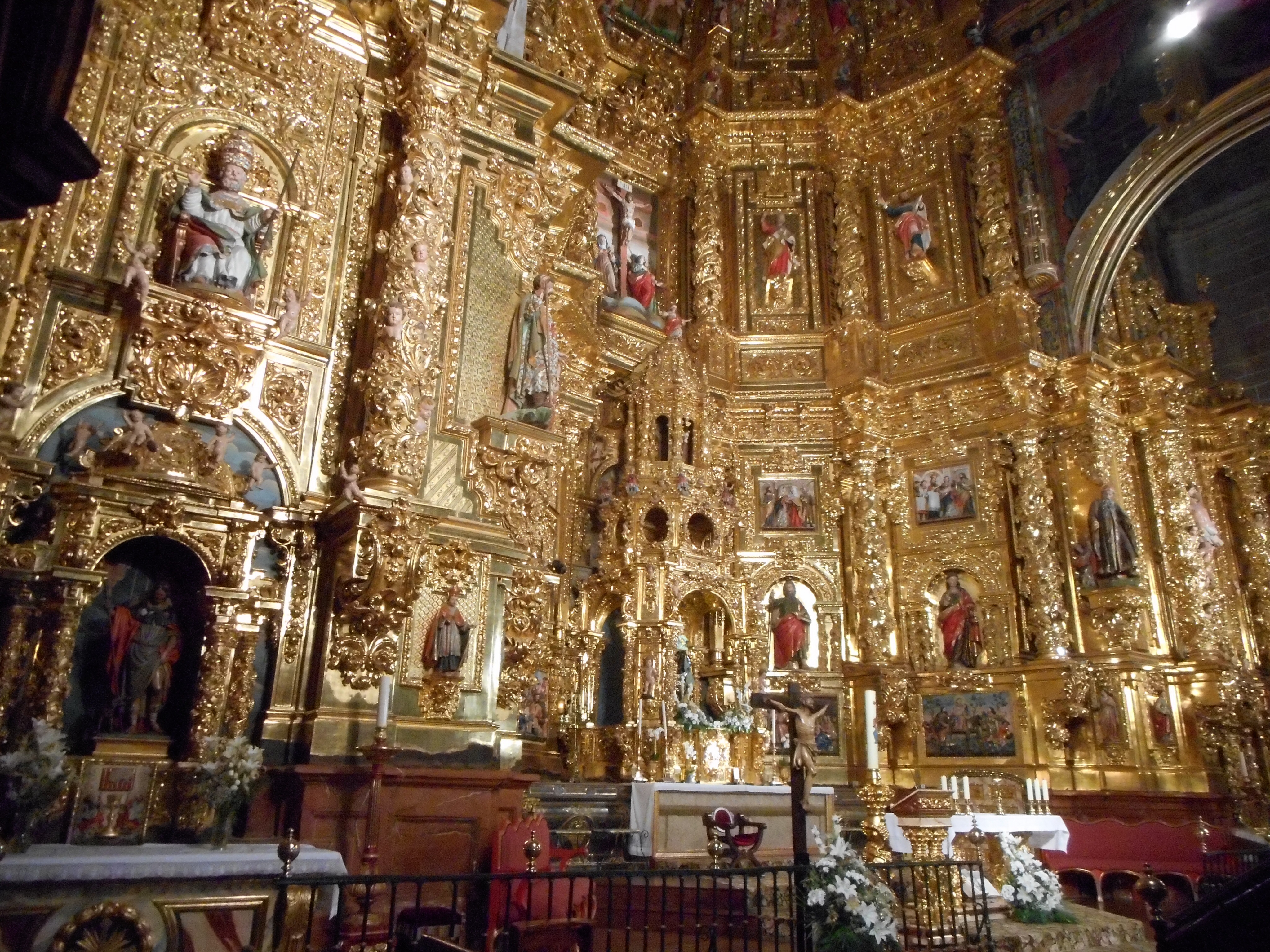
Nogrono was a noisy, bustling city in sharp contrast with the rural, quiet pathways we have been following for the past several days and, in spite of the friendly people, it was nice to finally leave the concrete and asphalt and resume our way along the more quiet country farm tracks. Before leaving Nogrono we stopped at the 16th century Iglesia Santiago. The facade of this church includes a relief of St. James in his role as the Matamoros, the Moor Killer. While he is usually depicted as a pilgrim, tradition has it that he also actively participated in the battle of Clavijo in 844 that finally chased the Moors from Spain. According to the story, St. James appeared at every crucial point and turned the tide of battle. In this role, he is depicted as being on horseback and wielding a sword, as we saw him here. This church also had a magnificent gold-covered altarpiece. Each of these masterpieces seems to outdo the ones we saw previously. We are beginning to better understand where all the gold that the Spaniards brought back from the new world ended up.

image

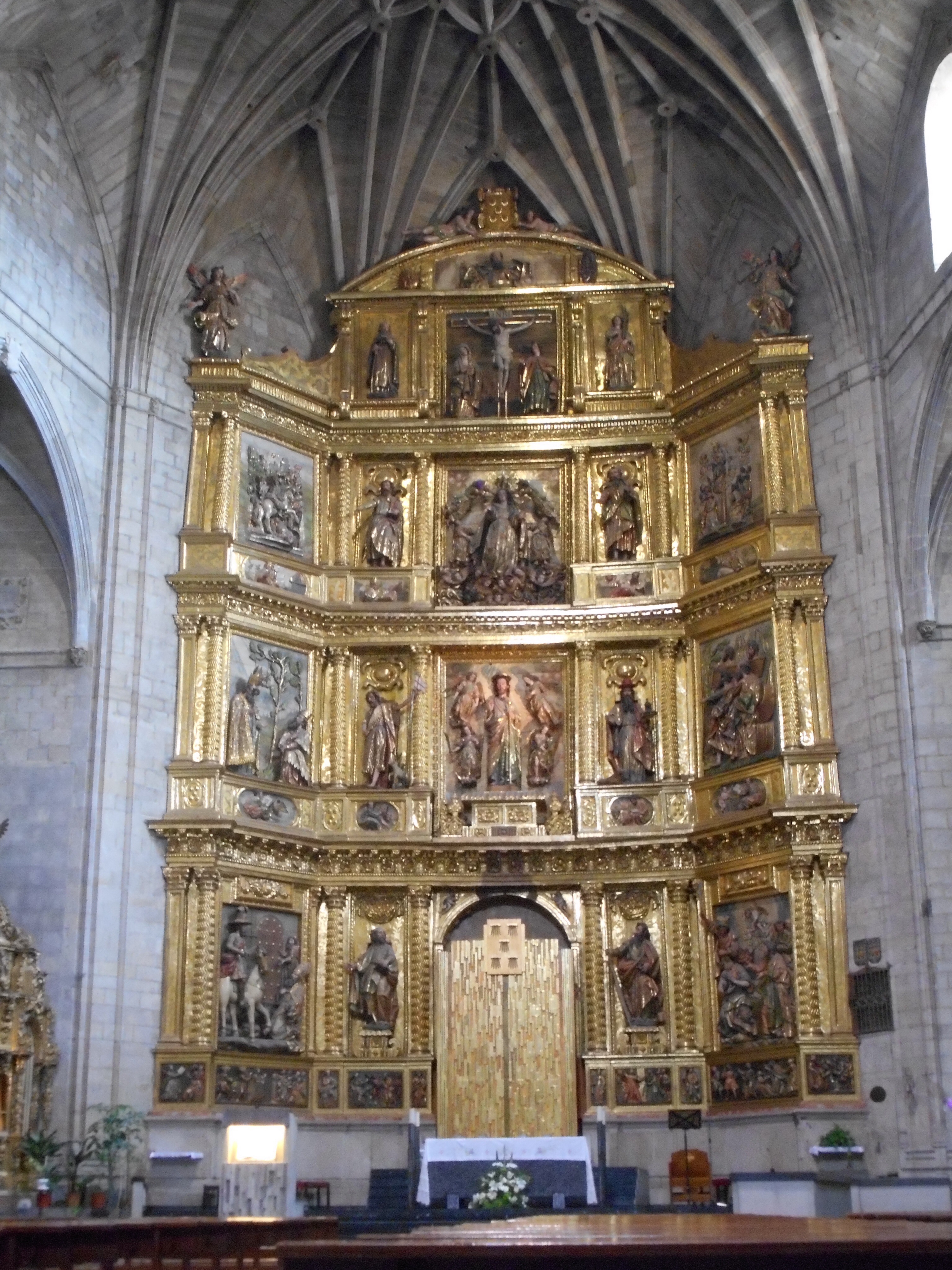
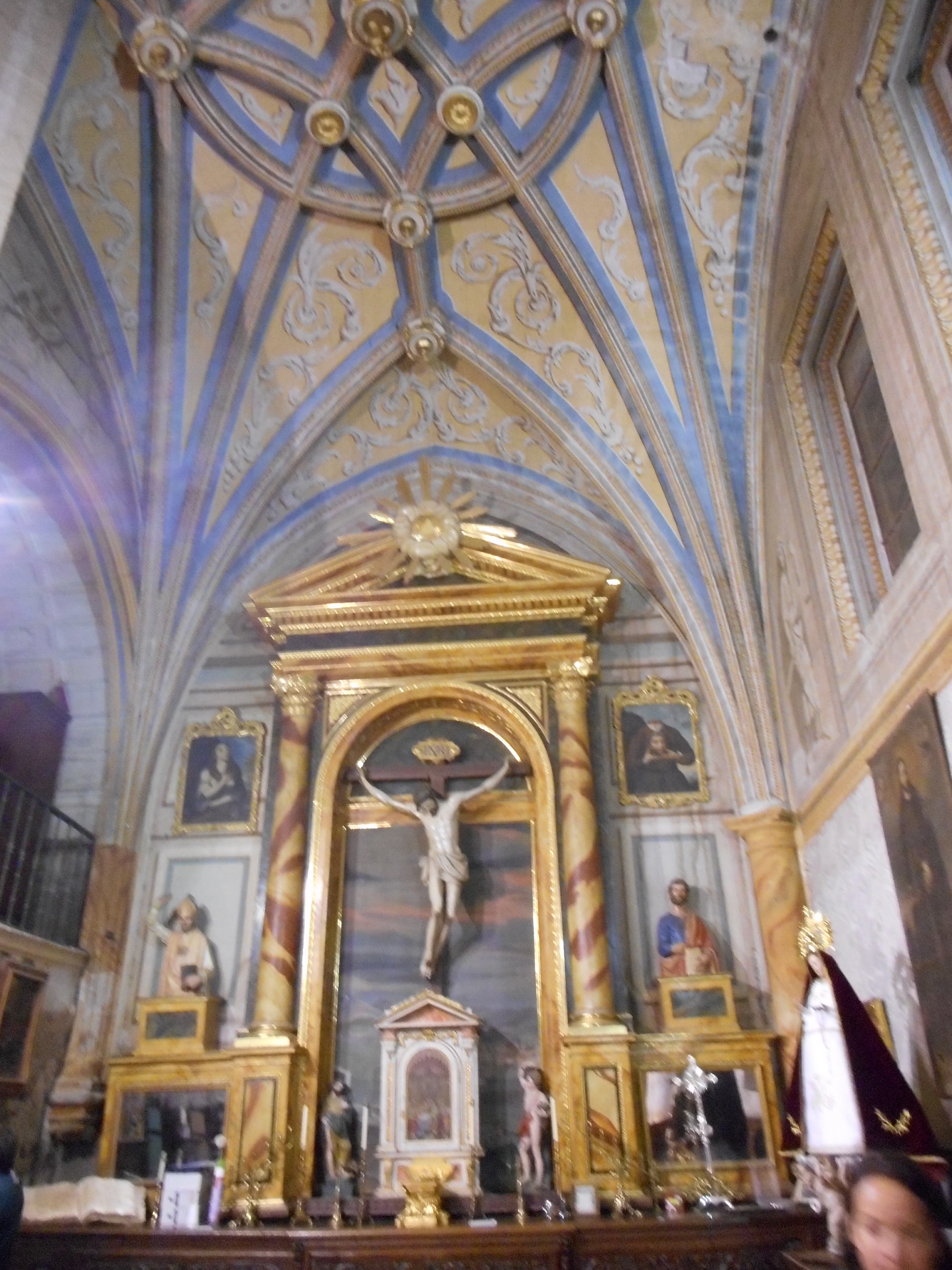
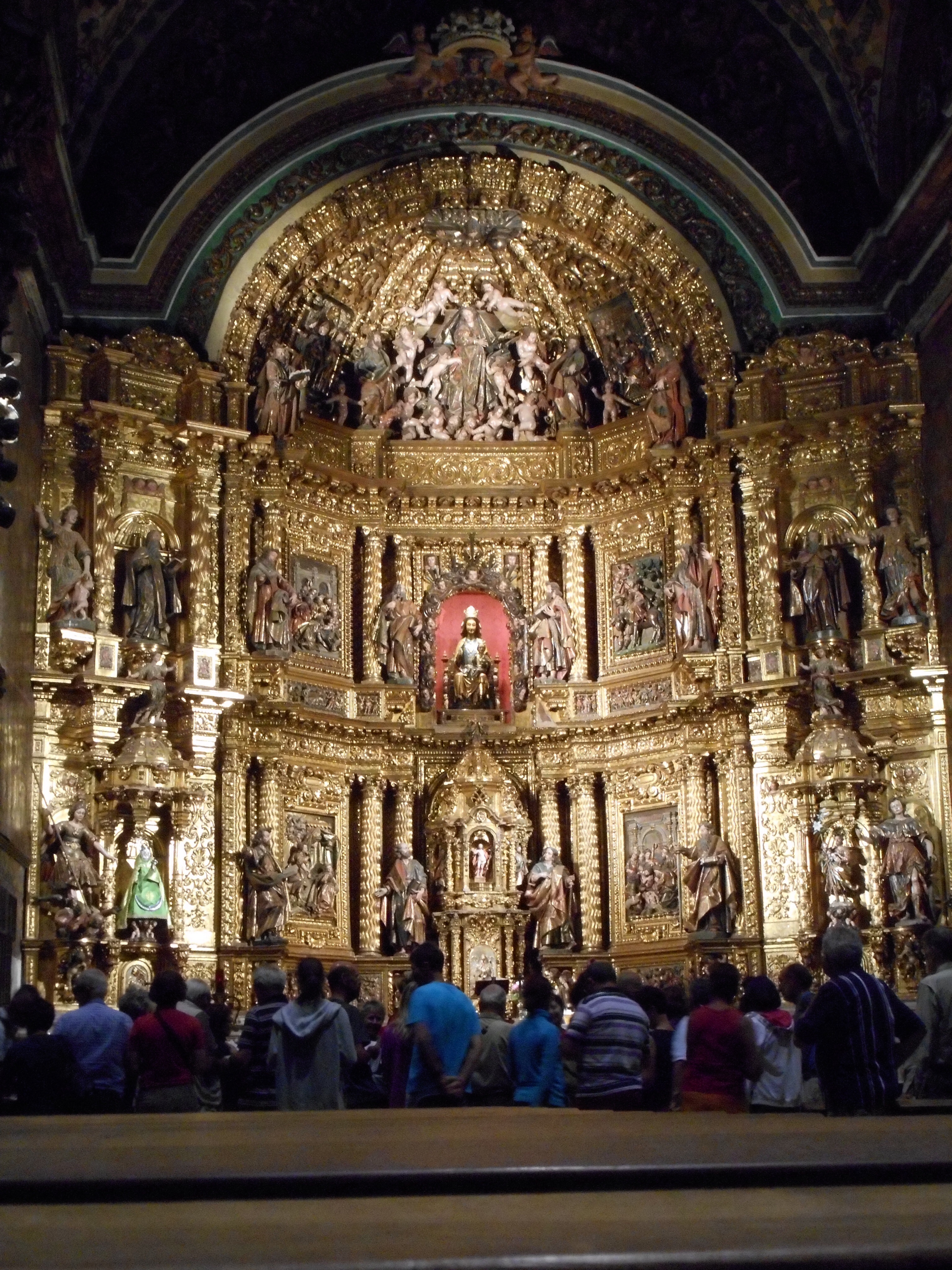
We spent the night in the third-floor attic (not as bad as it might sound) of the municipal albergue in Navarette. This was actually three floors up since in Europe the ground floor is called floor zero, the first floor is on the second level, etc. We received a couple more graces while in Navarette. We spoke at length with a peregrino, Matt, who has been dealing with some personal issues and discovered that grace is not only something we receive, but something we can give. Later we went to the local church – the Church of the Assumption – for a pilgrim mass. This church contains the most spectacular alterpiece we have seen yet. We arrived just as the mass was ending, but after the final blessing the priests invited all of the pilgrims into the sacristy for a special blessing.

Look at the altar table to gain an idea of the size of this artwork.

Look at the altar table to gain an idea of the size of this artwork.

imageTo call this room a sacristy is a gross understatement. The towering walls were covered by religious artwork dating back centuries. The priest delivered his blessing and then gave us a personal guided tour of the room, including its treasury of priceless religious masterpieces that was located behind a pair of towering doors. One of the pilgrims with us was a Roman Catholic priest who had been invited to concelebrate the mass with the parish priest. He provided translation for during the tour. I later asked him how it felt to celebrate mass in front of this altarpiece. He admitted with a chuckle that it was a bit more magnificent than the one in his home parish church in the states.

image

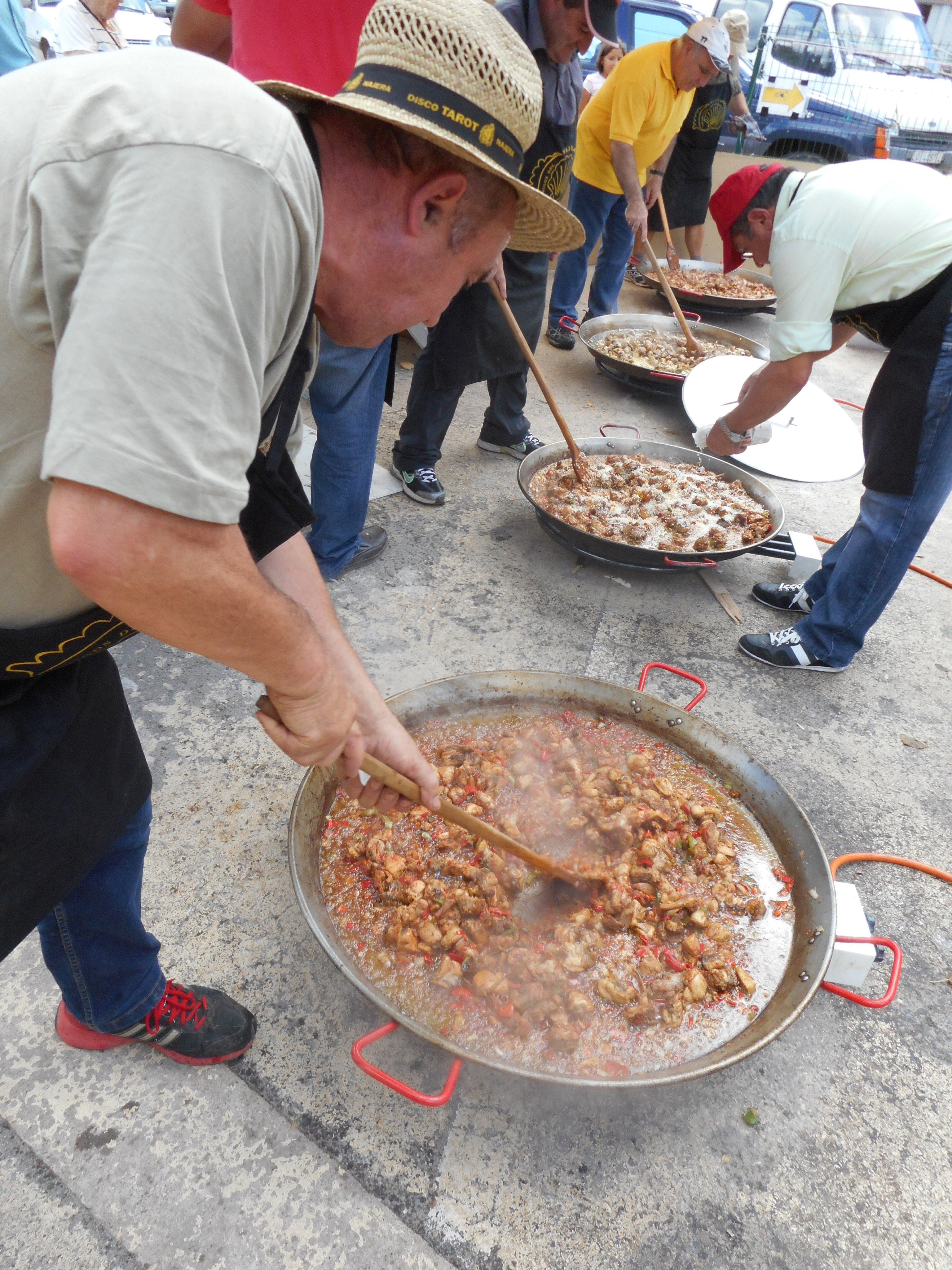
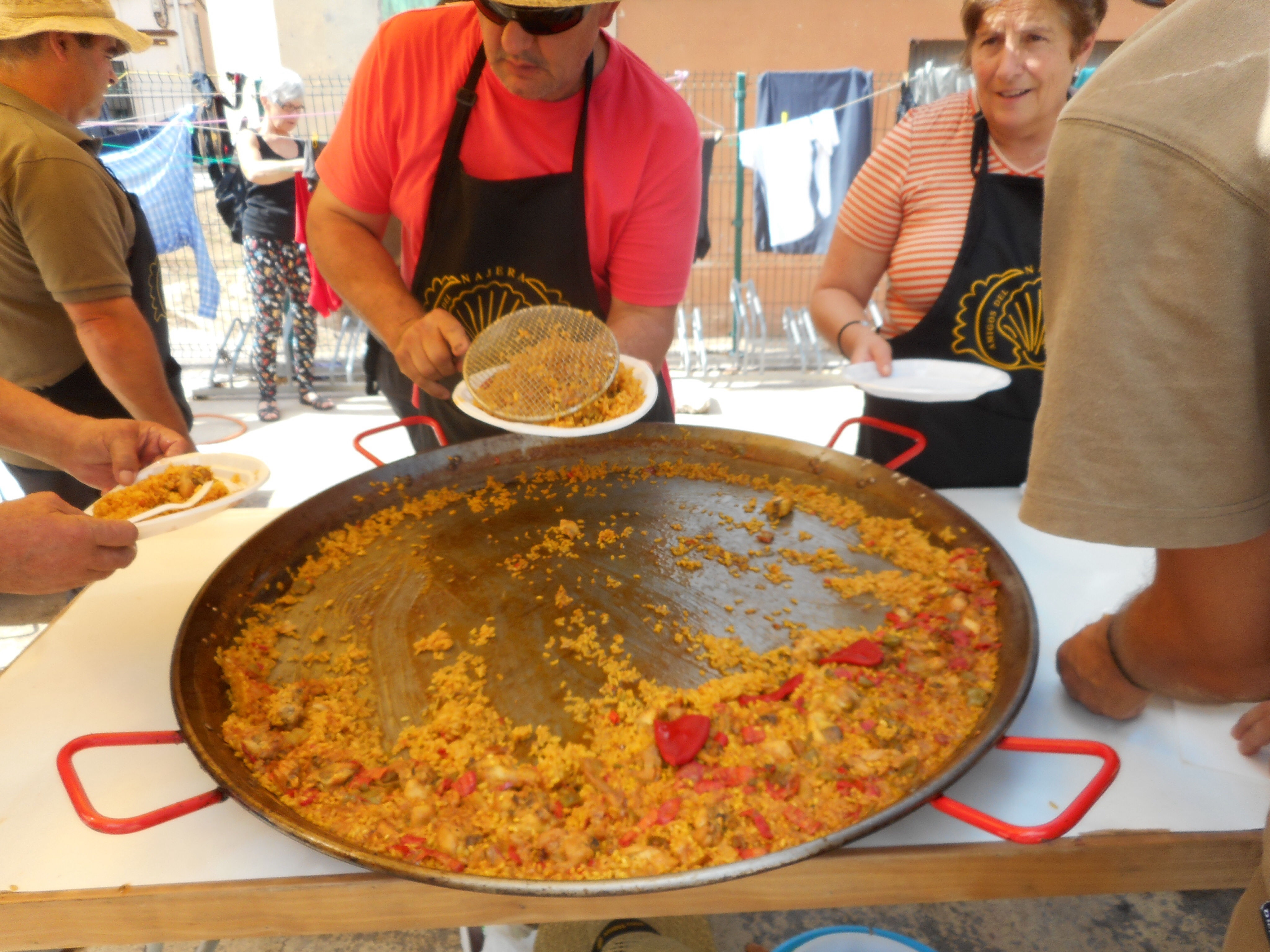
imageToday, we continued walking through the region’s vineyards and on to the city of Najera, our destination for the day. We are staying at the municipal albergue along with about 90 of our best new friends. It was here that we received another grace for the day. Upon arriving we discovered that the city is in the midst of a three-day festival honoring its patron saint and the Virgin Mary (Martires e Virgen, Patrones del Pueblo). During this festival schools have been closed and businesses are on holiday. So, as part of this festival celebration, the Najera Amigos del Camino (Friends of the Camino) provided a free paella feast for the pilgrims. Paella is made of rice, chicken, rabbit, spices, etc. and is one of the national dishes of Spain – served all over the country. The Amigos brought four enormous paella pans, set up shop under some canvas covers, and made enough paella for everyone to have a huge portion, with wine, and still have leftovers. This was our final grace for the day, we think. But, who can tell for sure.

image

A happy peregrino!

A happy peregrino!

¡Buen Camino!

Posted in Uncategorized | Leave a comment

Random thoughts from the Camino…

Over the past several days I have been collecting random thoughts while walking on the Camino and writing them down in my notebook. Here, in no particular are a few of them…

imageWe have been frequently seeing travelers (tourists?) on the Camino that we are referring to as “sin mochillas”, meaning “without backpacks.” These are people who send their luggage forward, often by taxi, to their next destination and then hike on the Camino with only perhaps a light daypack and a bottle of water. We have referred to them before in previous posts. We stayed at an albergue in Villatuerte that seemed to cater to these “pilgrims.” Most of the people at this albergue looked like they would have been more at home in a Marriott than in an albergue, but they were making the best of it. When we left in the morning we saw a pile of backpacks in the lobby with labels on them to let the taxis know where to deliver them later in the day. Clint pointed out that not only are these people not carrying their packs on the Camino. They are not even carrying them out to the taxis! Those of us who are carrying our packs try to be charitable to these folks but honestly, it is difficult. They are clean. Their clothes look fresh and recently laundered. They don’t smell. In fact, they often smell quite nice. They are dressed well and they are cheerful. Uggghh!!! We, on the other hand, are the antithesis of this. We are dirty, smelly, sweaty, achy, grumpy, and tired. But, we also feel that we are making this pilgrimage in the true spirit of the Camino. The Camino is not supposed to be easy. It is expected that there will be sacrifices in body and spirit. The benefits of a pilgrimage are due, in part, to the pain and effort that you have expended.

The key to the Camino is perseverance. Just…keep…going! One foot in front of the other.

The trail has been lined with blackberries for the past several days. Many pilgrims have been harvesting them as they move along. But, I am used to the bountiful, plump, wild blackberries near our summer farm up in Washington State. In contrast, the berries we see here are dusty and rather puny. I’ve been passing them by, for the most part.

Today we crossed over from the state of Navarre to the state of Rioja famous, of course for its wine growing prowess. So, here’s a photo of some of the vines. I don’t think we ate any from this particular plant.

image

I have trying to remember to lift my head up and look around while walking. The tendency is to keep my head down and only look at the 20 or so feet in front of me as I walk. While it is important to ensure you have solid footing, I also realize that it is equally important to get your head up and look at the passing scenery. It would be a shame to miss the gorgeous landscape because I am more concerned with the few feet in front of me. This is something I am currently working on.

I have been amazed at the number of people of all ages, nationalities, and genders who have actually decided to take the time out of their lives hike the 790 kilometers across Spain to Santiago. Every day we are joined on the Camino with large numbers (hundreds) of other pilgrims. I thought this would be sort of an individual thing, but I am quickly recognizing that there are many, many others who share the same dream and goal we do. This pleases me greatly, but also keeps me wondering and pondering.

image

As I walk along the Camino, I often find that the rhythmic motion of my walking, along with the motion of my trekking poles, is conducive to various kinds of meditation, especially related to music. I have found myself repeating snippets of hymns over and over in my mind along with the rhythm of my walking. In addition to hymns, I have found portions of Ola Gjeilo’s Sunrise Mass, a work I sang with the San Diego Masterwork Chorale last spring, recurring over and over again. This is, in my opinion, one of the most beautiful pieces of modern choral music, and I intend to send Ola email about this after I return to San Diego. His music has moved me and greatly enhanced my spiritual enjoyment of the Camino.

I have seen many women hiking the Camino on their own. At first I was a little apprehensive for these women, but after 10 days on the Camino I have come to believe that the Camino and albergues are safe places to be and I would encourage any women who might be thinking about hiking it alone to go for it. You won’t really be alone. There is almost no time that you are not within view of at least one other pilgrim and everyone is there to help you, if needed. This is an experience not to be missed.

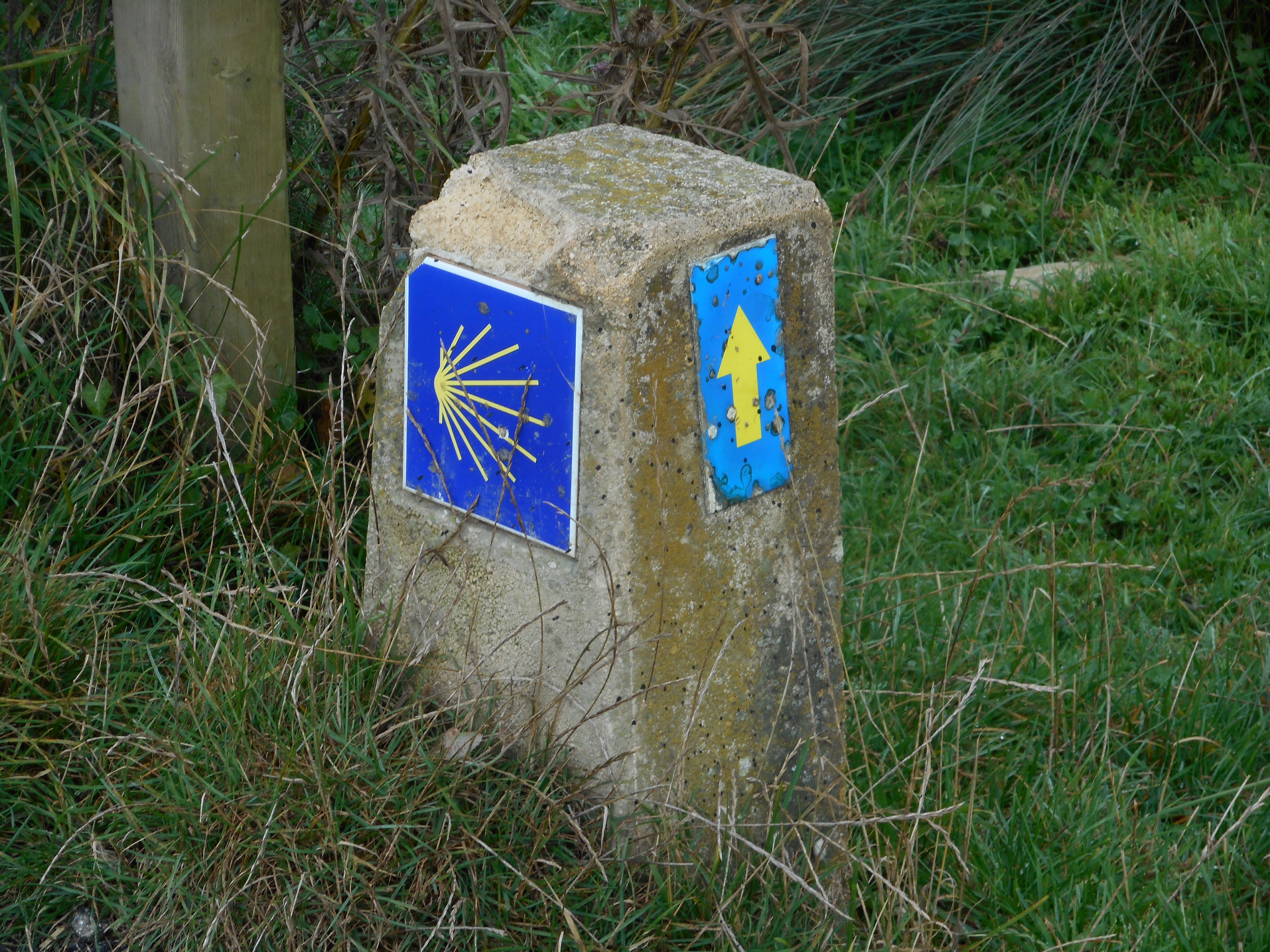
imageClint and I have been philosophizing for days now about the directional signs on the Camino. It is really quite difficult to get lost on the Camino. At every crucial fork or turn in the path there is a marker showing the way. It might be a Camino monument, or just a yellow arrow painted on a tree or a rock, or just a yellow splotch on a rock. But the sign is always there if you will see it. Often, there are many signs pointing out the way. If you search for the signs they will show you the way. Often you find yourself temporarily lost and then, upon a moment’s further looking, you will see several markers where there previously didn’t seem to be any. The way is always there to be seen. It is always clearly marked. We just have to look for the signs and follow them. Most of the time the signs are easy to see. At other times you have to look a little harder to see the way. You can choose to not follow the signs. If you are distracted or not paying attention to the signs you might find yourself lost. Just as we need to follow the signs that show us the way on the Camino, we also need to follow the signs in life that lead us to the Way, the Truth, and the Life. Those signs are also there if we will only look and see and follow them.

image
image
image

¡Buen Camino!
Posted in Uncategorized | 2 Comments

Villatuerte to Viana (Days 8 and 9 on the Camino)

Sunrise over the Camino

Sunrise over the Camino


Daily life along the Camino has settled into a pretty regular routine. We have begun to develop a rhythm and are repeating our daily chores and activities almost without thinking about them. And, we are seeing familiar pilgrim faces in the albergues and along the trail more and more frequently. In spite of the routine, the past two days have gone by in a flash.

imageThe weather has been unusually warm for September, but today we were blessed with an overcast sky until about noon and a delightfully refreshing breeze most of the day. I said the breeze must have been from the wings of angels who were with us to provide protection and comfort. However, once the sun finally emerges from behind the cloud level it is brutal. This is one of the common experiences shared by all pilgrims. Another, of course, is walking and just…moving…forward.

imageEarly in the morning (Day 7), we passed through the city of Estella. One of the most famous sights there is the Iglesia San Pedro with its beautiful adjoining staircase leading to the streets below. You can see it in the movie, The Way. It was even more impressive to see it in person.

The Camino continues to bless us with the most remarkable occurrences and experiences. Shortly after leaving Estella we came upon the Bodega Iracha winery, which offers pilgrims a truly unique form of comfort. Alongside the Camino and out of the way of regular tourist traffic is a fountain for pilgrim refreshment. What distinguishes this fountain from all others is that it has two fonts – one with water and one with wine! The owners of the Bodega wanted to provide this wine fountain (the Fuentes del Vino) as a gift to fortify pilgrims along the way. And who would pass up an offer like that?

No comments about the hat!

No comments about the hat!

imageLater in the day, we took a scenic optional route that, while a few kilometers shorter than the standard route had a significantly greater elevation gain. However we were rewarded with yet more spectacular views of this beautiful countryside. We spent the evening in a private albergue in the town of Los Arcos. The altarpiece in the town church, where we attended part of the evening pilgrim mass was almost as spectacular of the one we saw in Puente la Riena a day earlier.

This morning at first daylight we hit the trail again and spent the day working our way to our destination for the day, Viana, where we encountered one of the most incredible experiences we have had to date on the Camino. It was the most remarkable of coincidences (or was it St. James rewarding us for our perseverance again?) that the town was having a festival today and exactly (almost to the minute!) that we entered the town center they began their own version of the running of the bulls!! This was just too good to be true! What a thrill as the bulls came racing by us, only mere feet away, and the bravest of the townsfolk (mostly men, but some brave women as well) taunted the bulls and jumped aside just in the nick of time. The bulls ran back and forth over a several block route a number of times. After a half hour the excitement was over. There was an ambulance standing by but, thankfully, was not needed on this day. This is the sort of Spanish immersion that I could never have imagined. The Camino continues to deliver without fail – time and time again! What could possibly be next?

image
image

Posted in Uncategorized | Leave a comment

Cizur Menor to Villatuerte (Days 6 and 7 on the Camino)

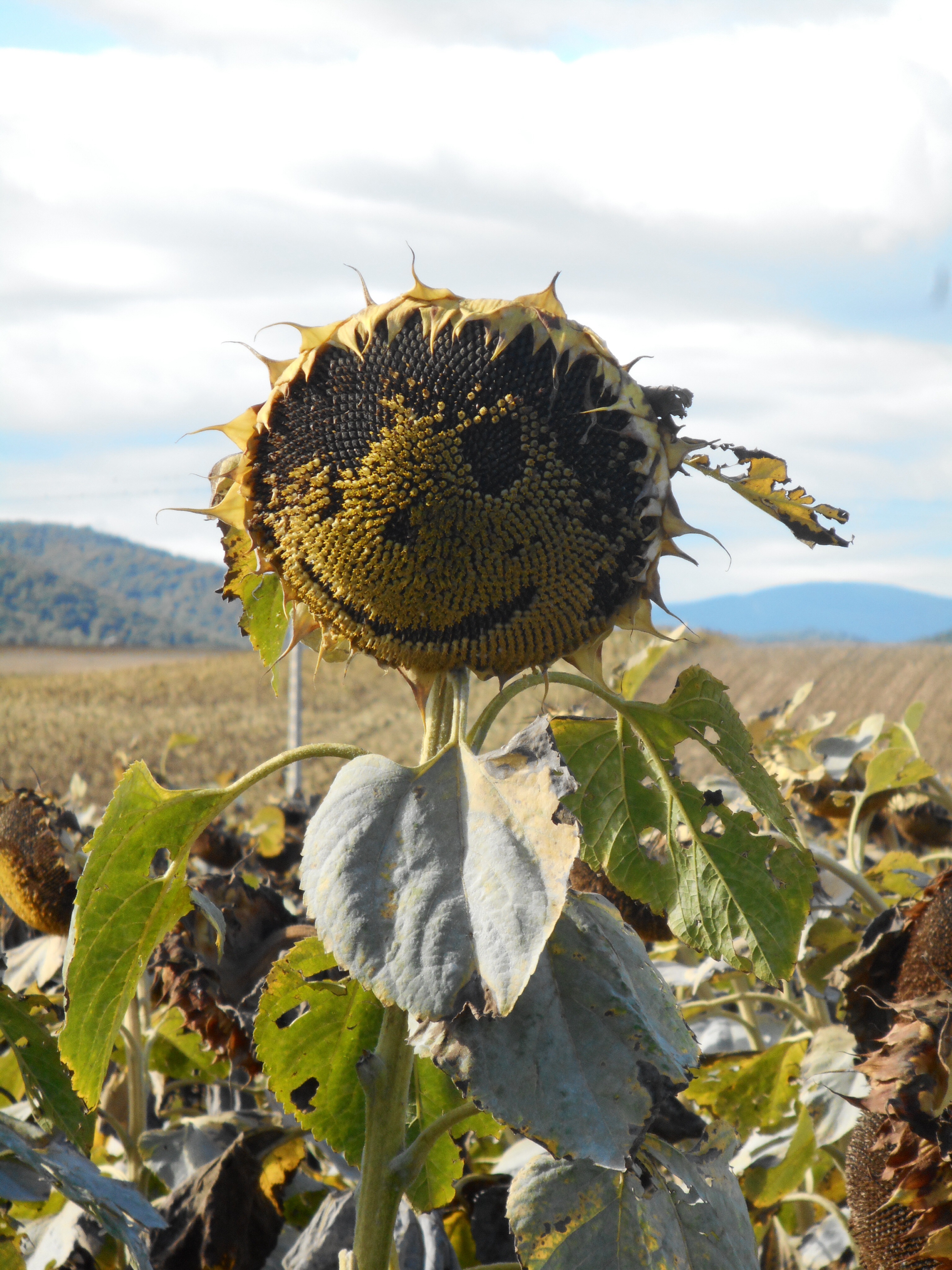
imageWalking across the verdant farmland in this part of Basque Spain we encounter beauty at almost every turn. The landscape has been flattening out slightly but the vistas remain breathtaking. We have been walking through a variety of farming areas, with corn and sunflower fields in abundance. The sunflowers are ready for harvest and no longer display their bright yellow countenances. It has been quite warm over the past few days, with temperatures reaching up into the upper 80s. The morning are delightful for hiking, but around noon it starts to become sometimes uncomfortably hot. But, we drink lots of water and rest in the shade whenever we can find some. My body has been complaining less over the past couple days about the abuse it has undergone and I am grateful for that. It is still hot and very hard work for an old guy like me, but I think I may be adapting more to the rigors of the Camino.

imageWe have also begun to see more and more vineyards and olive trees. I had been wondering whether grapes intended for fermentation tasted as sweet as common table grapes. Well… the vines were there and they had grapes on them, so we conducted a little experiment and I can now confidently report that the wine grapes (at least the ones we tasted) were every bit as sweet, flavorful, and delicious as any table grape I’ve ever tasted.

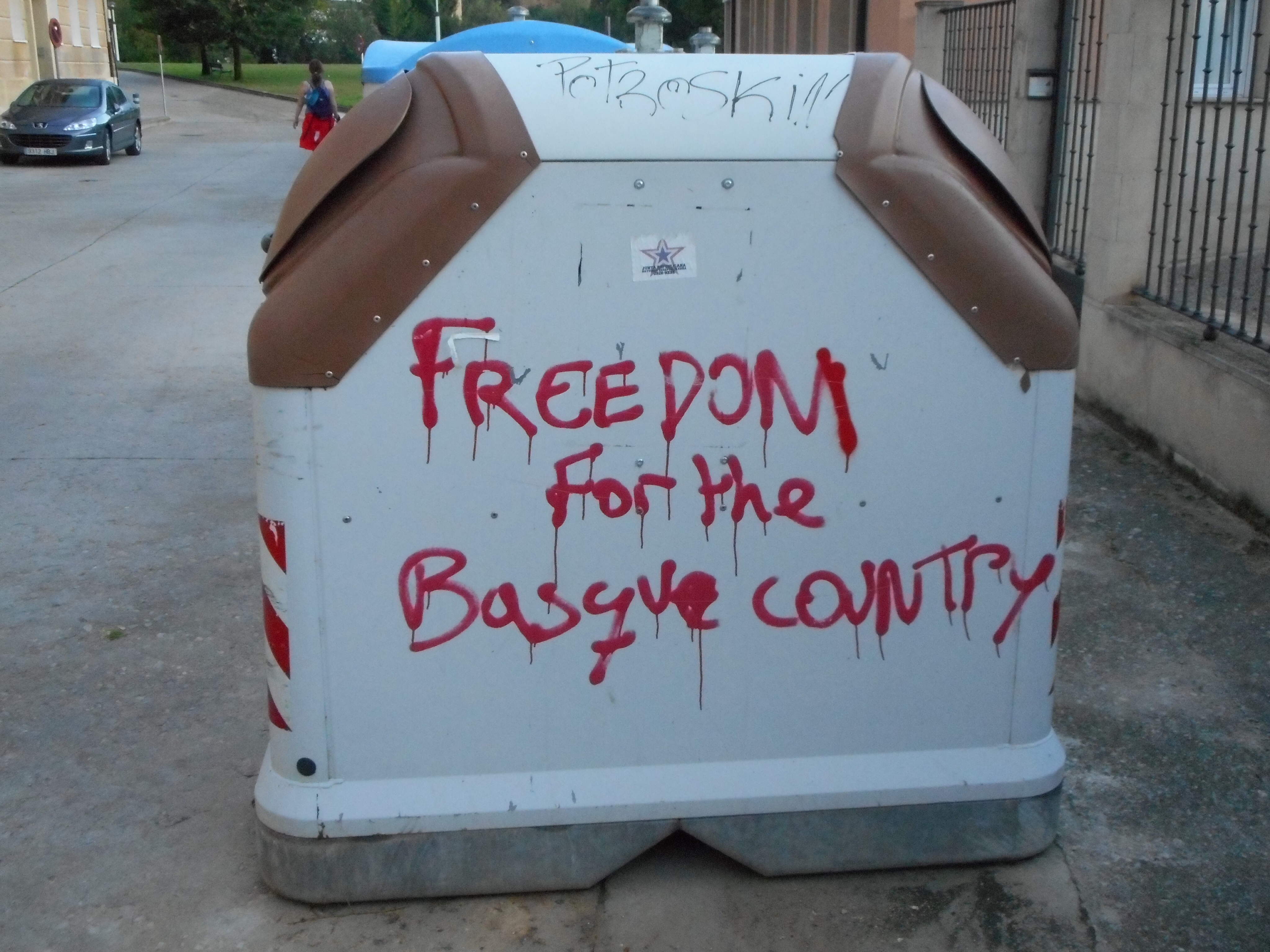
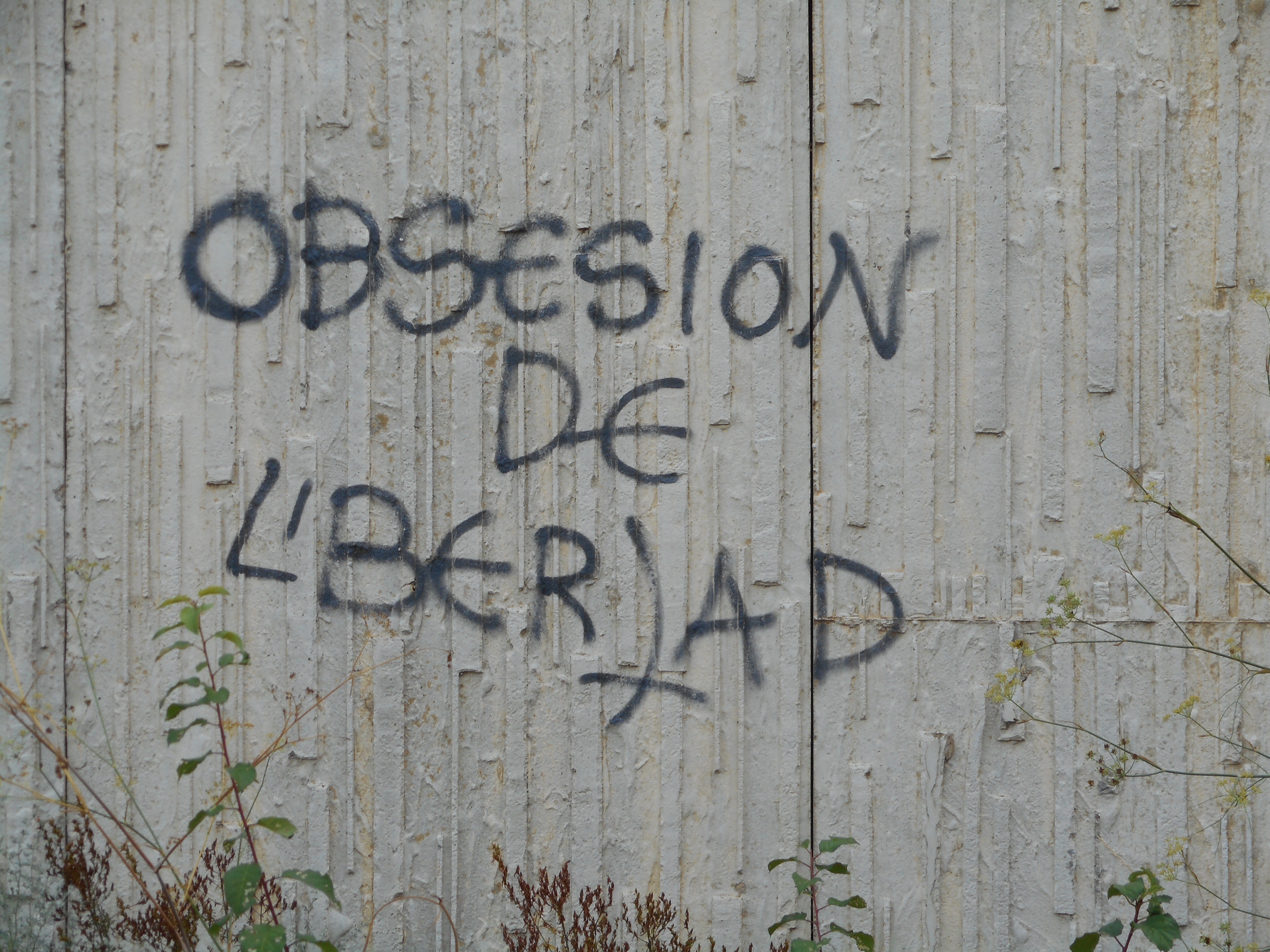
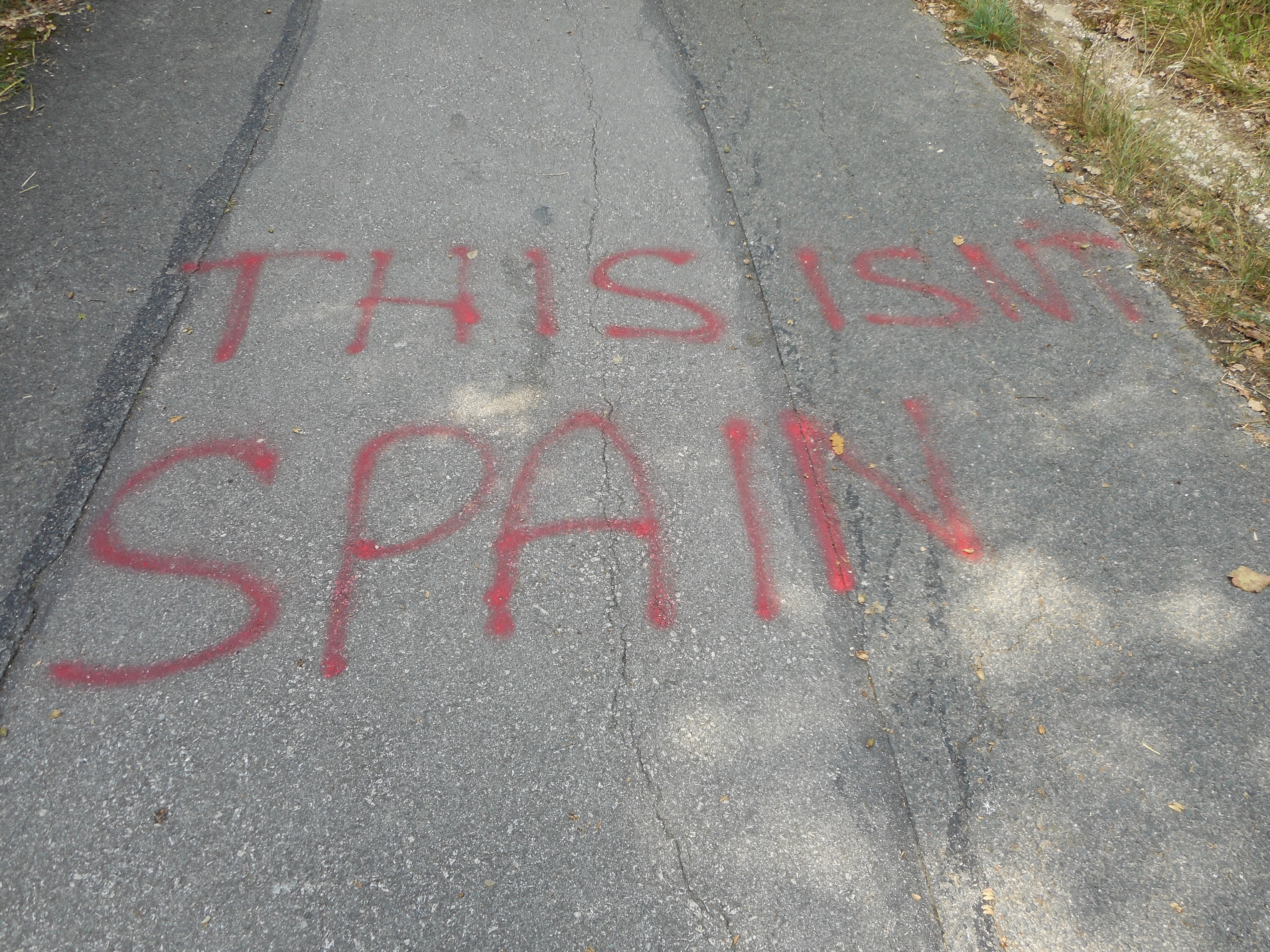
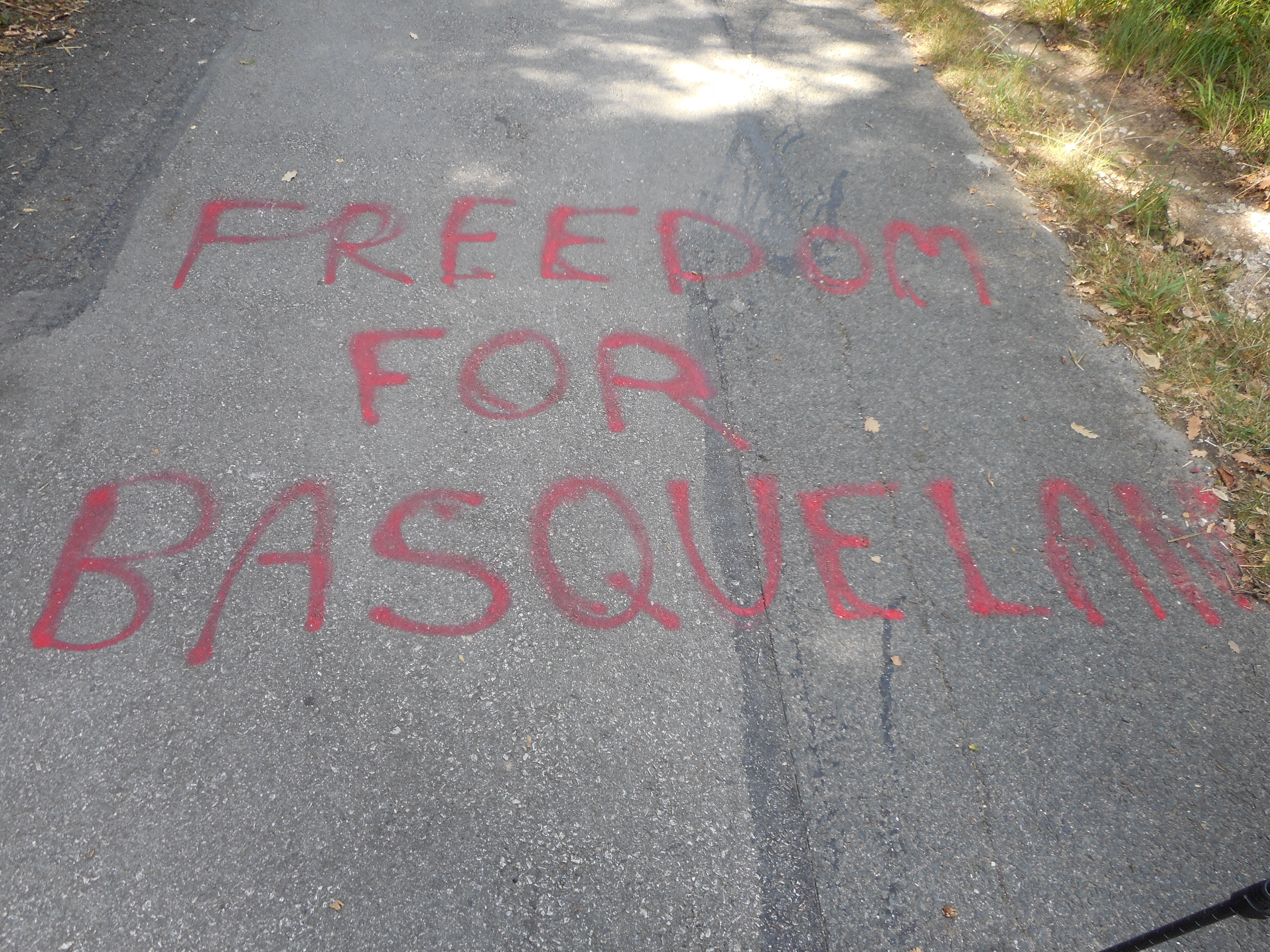
As I mentioned before, this is a region of Spain that is fiercely independent and the Basque expressions of political leanings are everywhere. The local Basque language, Euskara, is spoken by most of the locals and signage is usually in the regional tongue. Euskara is a completely different language than Spanish and the locals consider it a badge of honor and a means to perpetuate their heritage to speak it between themselves.

image
image
image
image

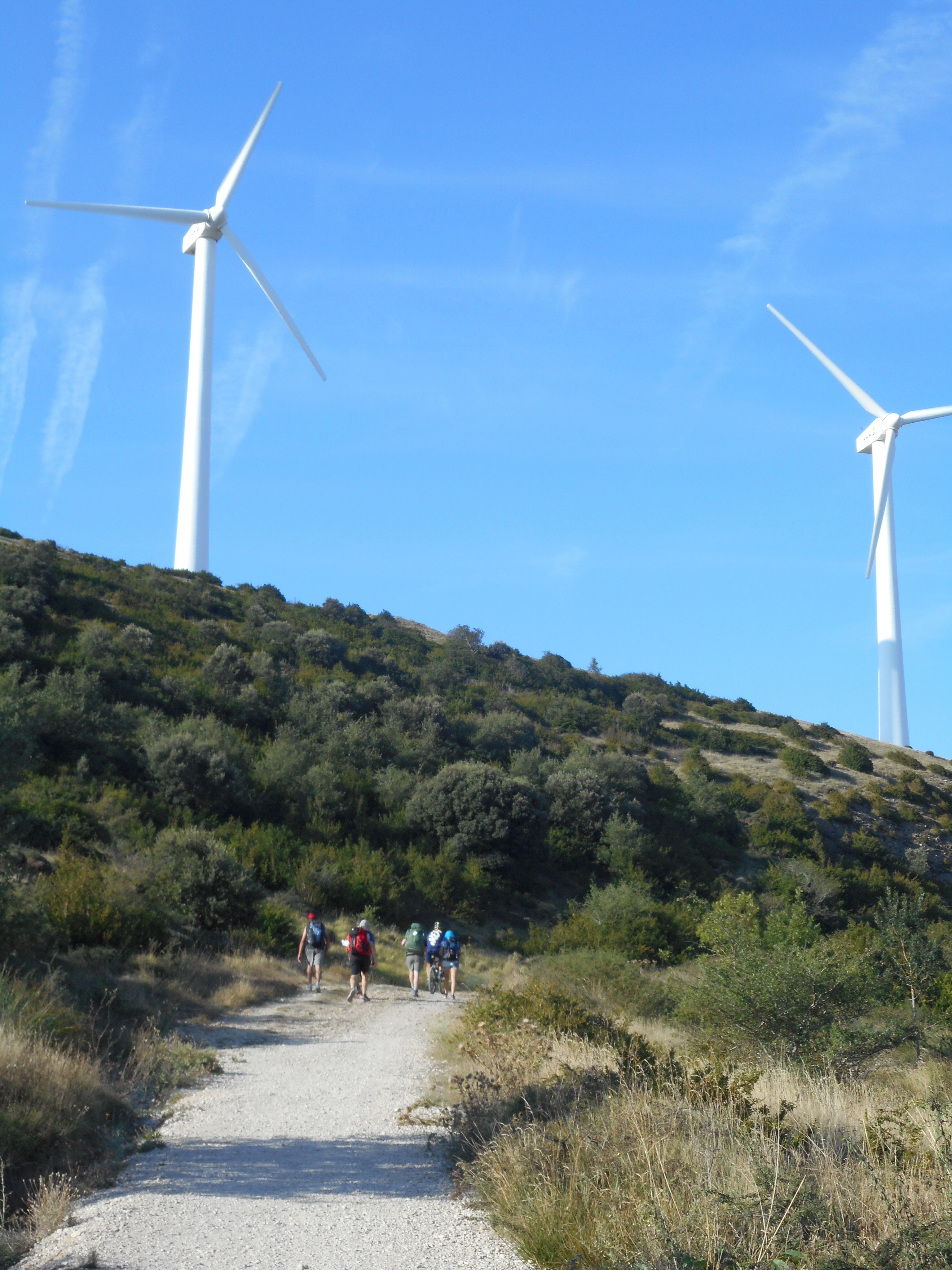
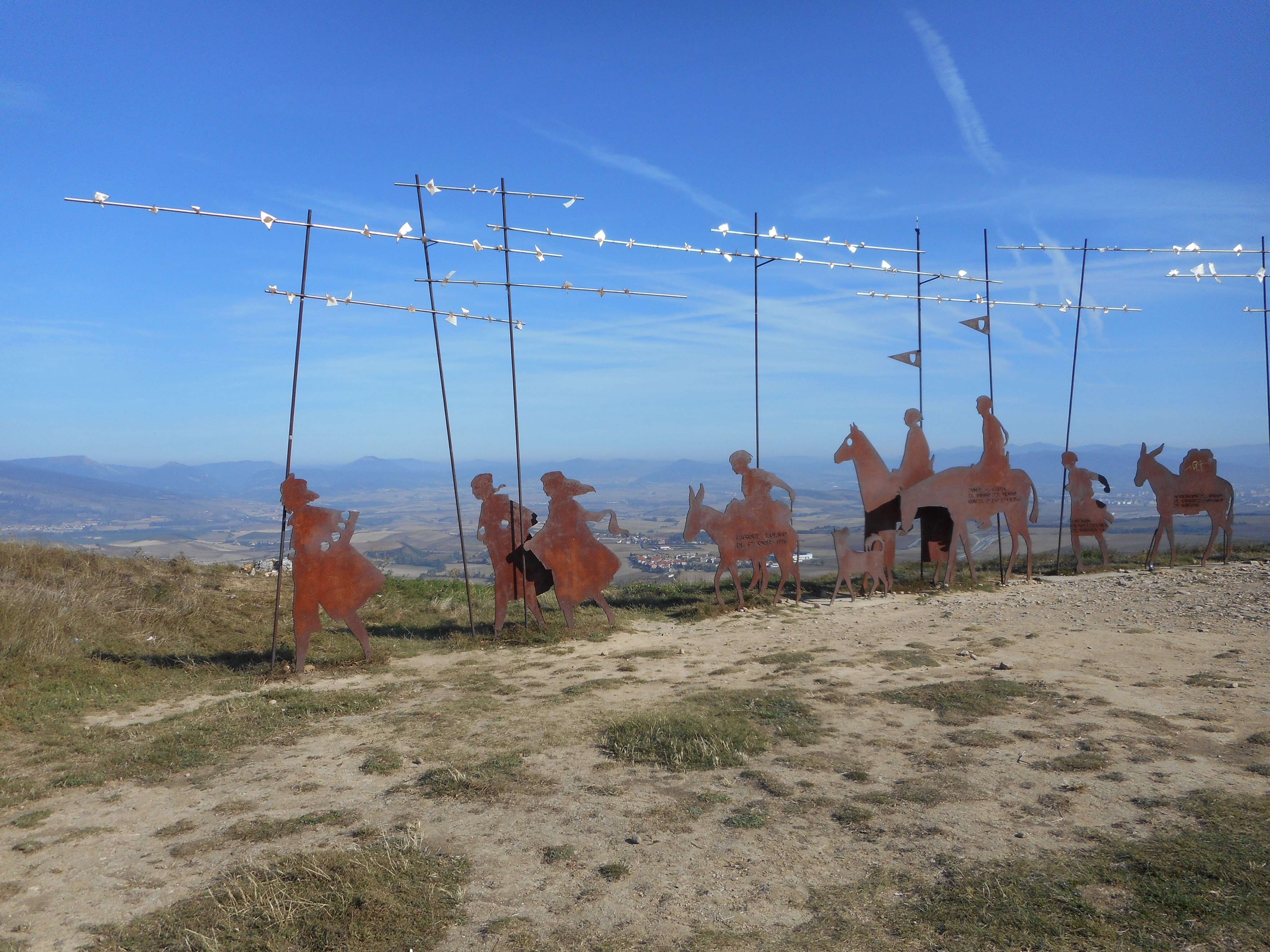
imageAfter leaving Cizur Menor yesterday we encountered a broad mountain range. The trail rose about 300 meters over about a 7 kilometers distance (about 1000 feet over about 4 miles) and the climb was challenging. This region has strong prevailing winds and the ridge line was populated by dozens of wind turbine towers generating electricity. At the very crest of the range we found one of the most iconic pieces of artwork on the Camino – a wrought iron depiction of medieval pilgrims walking the Camino with their heads bent against the wind. This is a popular resting place for pilgrims who have just finished trudging up the steep trail.

image

The far side of the ridge consisted of a fairly treacherous downward trail with lots of loose stones, making the hiking arduous as we slowly navigated our way back down to the plain below.

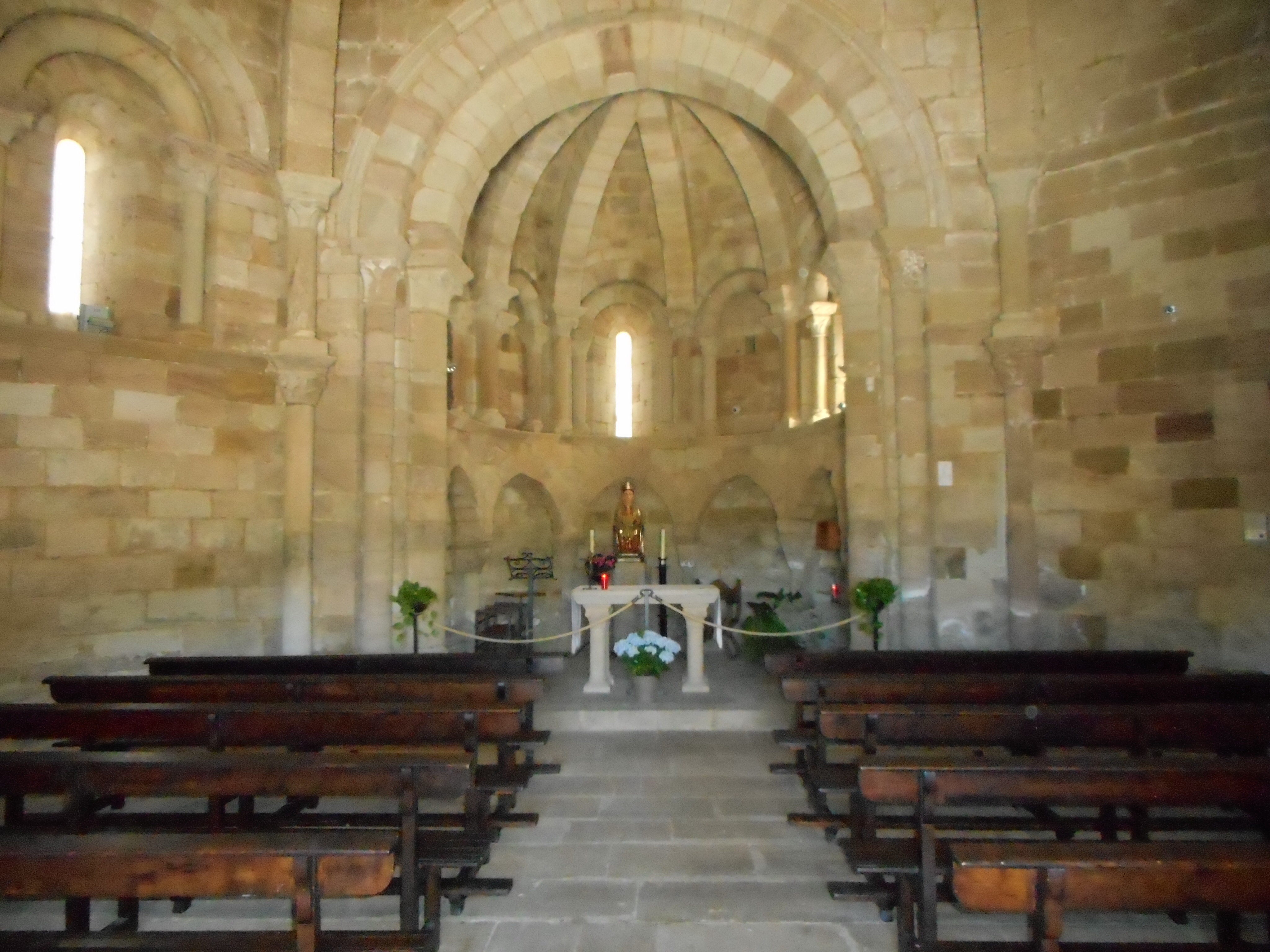
imageAt the town of Muruzabal we had the option to take a less traveled path to see a church with roots connecting it to the Knights Templar, which were very active in the region in their time. The church was described as one of the gems of the Camino in our guidebook. The Knights Templar provided protection to pilgrims walking through this area where they were frequent victims of robbery or worse. We were also told that there was a small albergue located at the church and we intended to stay there for the night. Upon arriving, we found a beautiful, octagonal church, but no albergue – meaning we had several more kilometers of trail between us and Puente la Riena, our original destination, in the heat of the day.

We have been experiencing multiple examples of Camino grace as we move along the way (see Clint’s guest blog from a day or two ago.) In similar fashion, as we contemplated our fate at this church, the woman who cares for it magically arrived to lock up for the day and offered us a ride to Puenta la Riena, about 4.5 kilometers away! We were dumbfounded at the coincidence but gratefully accepted her generous offer. We think St. James may have been pleased that we had walked so far out of our way to visit this small church and decided to offer us this small grace. This has happened many times already and we look forward to seeing what we might encounter next.

Our habitation for the evening was a monastery hostel run by the Padres Reparadores which, although large, was perfectly adequate for our needs. We are getting used to sleeping in these dormitory situations with many, many strangers – men and women – sharing facilities and just getting along.

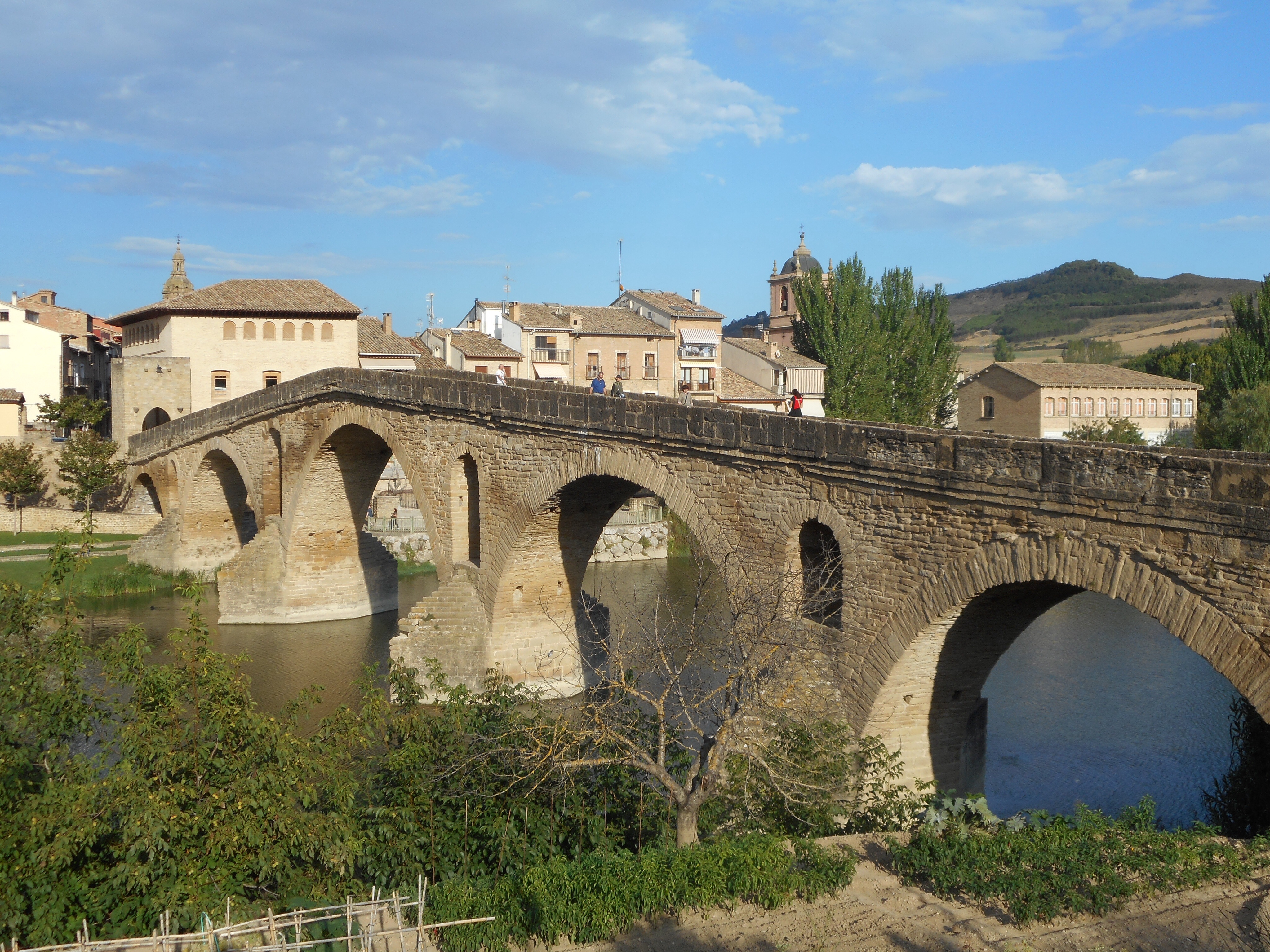
The magnificent bridge which gives the town its name was built under the direction of a local mayor’s wife to facilitate pilgrims in crossing the Arga river. Its six arches gracefully span the river to this day.

image

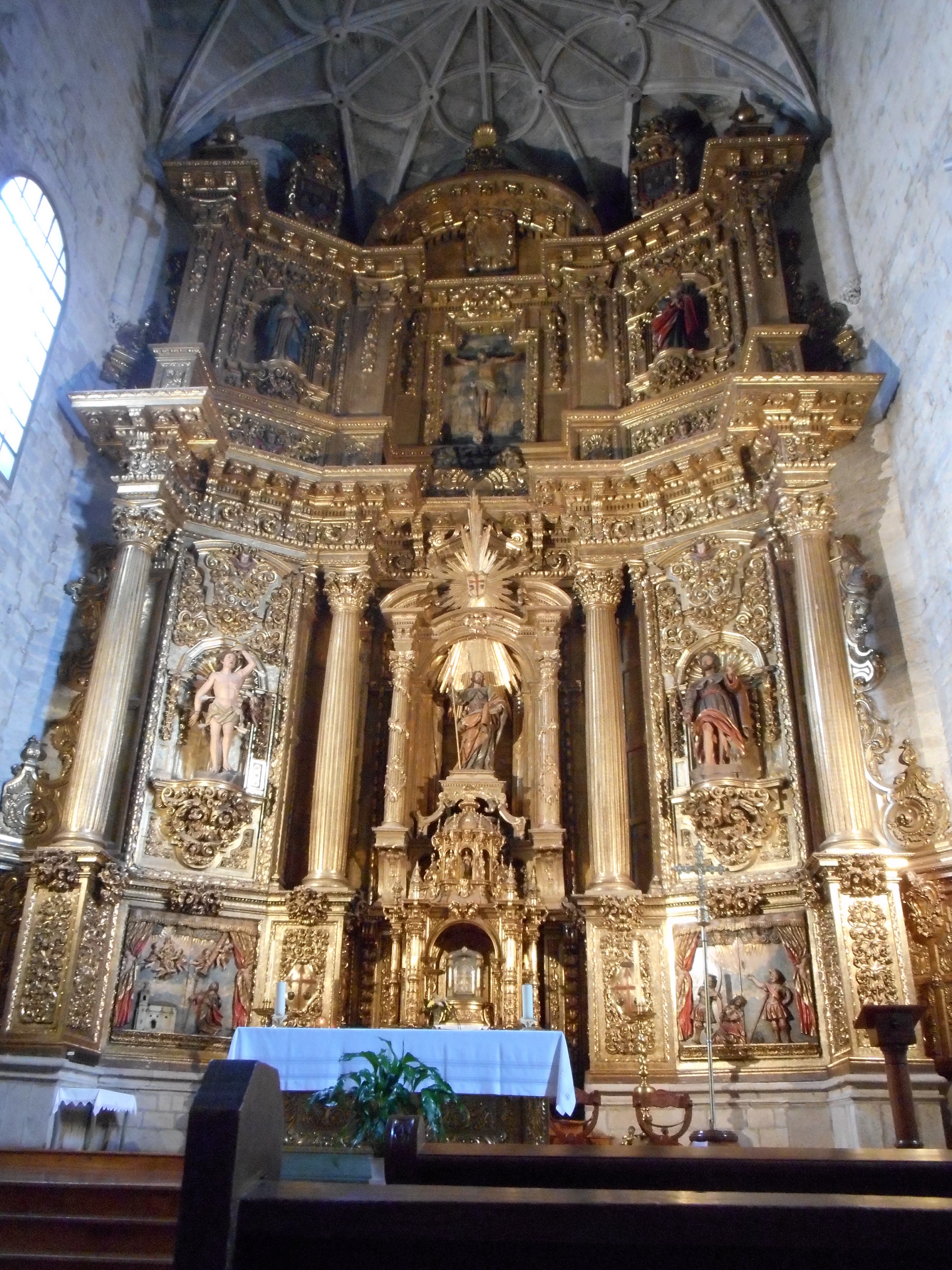
We also saw a magnificent altarpiece inside the 12th century Iglesia de Santiago. The carved masterpiece,which covers the entire inner facade of the building behind the altar, is covered in gold leaf and ranks with the finest I have ever seen.

image

Today marks the seventh day we have been on the Camino. We have now covered more than 100 kilometers, with just under 700 to go. Our goal for the day was the town of Estella. But, as we approached, we decided to stop a few kilometers short and stay in Villatuerte instead. We located a private albergue where, even though it was only about 2 pm, we got the last two remaining beds in the place. The countryside leading up to the town was mostly vineyards and provided very little shade. We had to climb a very steep traverse leading into the first town on the route, Maneru, and felt it must have been a bit of payback from the Camino for our short car ride yesterday.

And thus, we learned another lesson about the Camino… The Camino sees all and does not forget!

¡Buen Camino!
Posted in Uncategorized | Leave a comment

Beatitudes of the Pilgrim

This is from a document we were given by a sister at the Iglesia de San Estaban (Church of St. Stephen) in Zabaldika containing beautiful thoughts related to pilgrimage along the Camino de Santiago.

1. Blessed are you pilgrim, if you discover that the Camino opens your eyes to what is not seen.
2. Blessed are you pilgrim, if what concerns you most is not to arrive, as to arrive with others.
3. Blessed are you pilgrim, when you contemplate the Camino and you discover it is full of names and dawns.
4. Blessed are you pilgrim, because you have discovered that the authentic Camino begins when it is completed.
5. Blessed are you pilgrim, if your knapsack is emptying of things and your heart does not know where to hang up so many feelings and emotions.
6. Blessed are you pilgrim, if you discover that one step back to help another is more valuable than a hundred forward without seeing what is at your side.
7. Blessed are you pilgrim, when you don’t have words to give thanks for everything that surprises you at every twist and turn of the way.
8. Blessed are you pilgrim, if you search for the truth and make of the Camino a life, and of your life a Way, in search of the one who is the Way, the Truth, and the Life.
9. Blessed are you pilgrim, if on the way you meet yourself and gift yourself with time, without rushing, so as not to disregard the image in your heart.
10. Blessed are you pilgrim, if you discover that the Camino holds a lot of silence, and the silence of prayer, and the prayer of meeting God who is waiting for you

Posted in Uncategorized | 2 Comments